
When Buying in Bulk Makes Sense — and When It Just Creates Waste
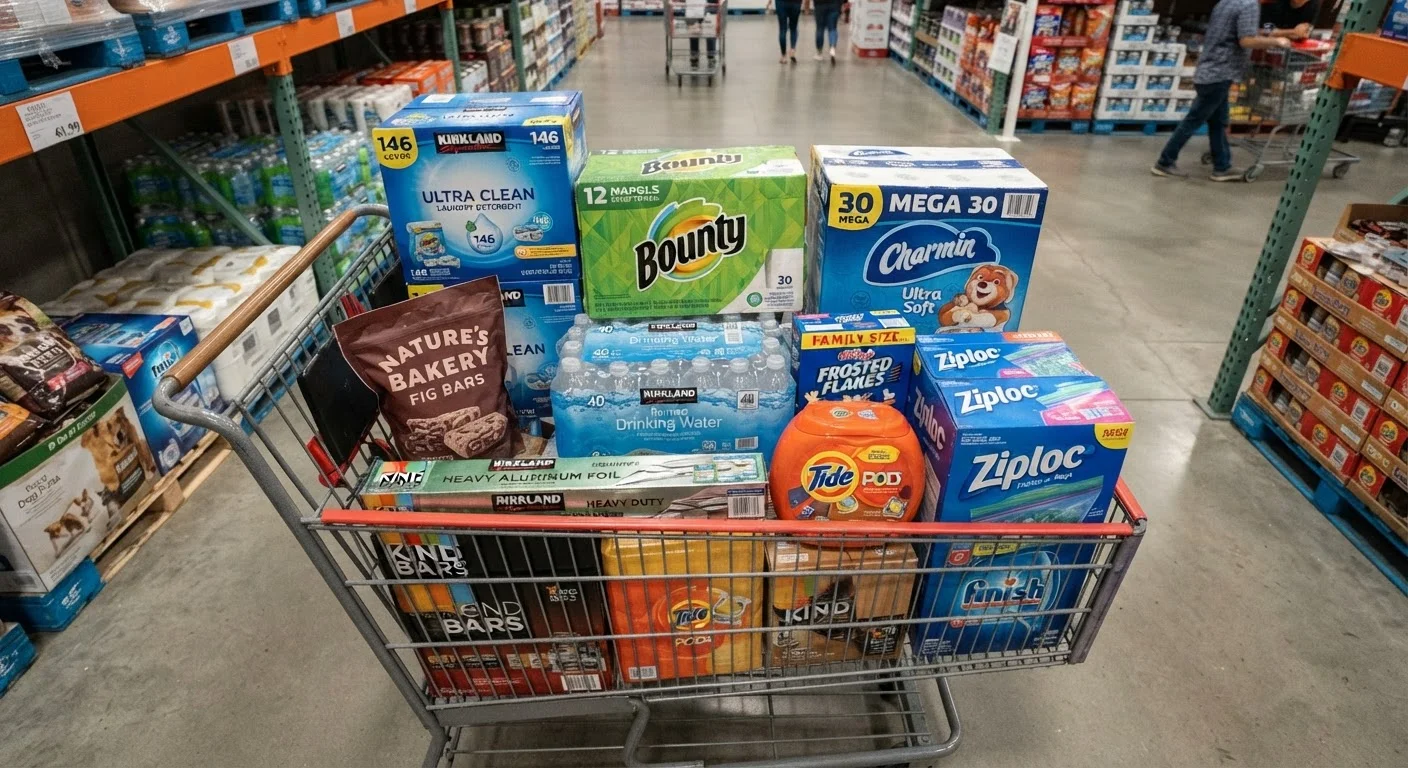
Photo credit: ArticlesHaven.net
In this article
Bulk buying isn't universally smart. These guidelines help you distinguish genuine per-unit savings from storage costs and spoilage.
Key Takeaways
- Bulk buying reduces per-unit cost on non-perishables but can create waste with perishable goods.
- Storage space and upfront cash flow are real costs that offset apparent savings.
- Household size and consumption rate are the two most important factors to evaluate first.
- Some categories - like cleaning supplies and paper goods - consistently reward bulk buying.
- Perishable food items and trend-sensitive products are poor candidates for bulk purchasing.
Lower cost per unit on non-perishable staples
Buying in larger quantities typically reduces the per-unit price, which adds up meaningfully on items used daily like paper towels, dish soap, or canned goods.
Fewer shopping trips saves time and fuel
Stocking up reduces the frequency of store runs, which cuts fuel costs and the impulse purchases that tend to accumulate during every extra trip.
Protection against price increases
Purchasing staples in volume before a price spike - on commodities like coffee, cooking oil, or cleaning products - can be a practical hedge over the short term.
Reduces packaging waste per unit
Larger containers generally use less packaging material relative to the total product, which can lower the household's overall packaging waste footprint.
Upfront cash outlay strains tight budgets
Bulk pricing requires a larger single purchase, which can be difficult for households managing tight monthly cash flow even when the per-unit price is lower.
Perishables spoil before they're used
Food items with limited shelf lives - fresh produce, dairy, bakery goods - frequently go to waste when purchased in bulk, erasing any savings and adding to household food waste.
Storage space has a real cost
Dedicating closet, pantry, or garage space to bulk goods isn't free - especially in smaller homes or apartments where usable square footage is limited.
Preference changes can leave you stuck
Buying 96 units of a shampoo or snack food you end up disliking - or that a family member outgrows - results in clutter and waste rather than savings.
Encourages overconsumption on some products
Research on consumption behavior suggests that larger package sizes can increase usage rates on items like snacks or cleaning products, reducing the actual savings realized.
The Core Promise of Bulk Buying - and Its Limits
The appeal of bulk buying is simple: buy more, pay less per unit. For the right products, this logic holds. For the wrong ones, it quietly costs more than buying in standard quantities.
The critical variable is the relationship between shelf life and consumption rate. If your household will realistically use a product before it expires or degrades - and you have somewhere to put it - bulk buying can be a legitimate savings strategy. If either condition fails, the per-unit savings are theoretical rather than real.
See the full breakdown of bulk buying trade-offs for a more detailed accounting across household types.
Lower cost per unit on non-perishable staples
Buying in larger quantities typically reduces the per-unit price, which adds up meaningfully on items used daily like paper towels, dish soap, or canned goods.
Fewer shopping trips saves time and fuel
Stocking up reduces the frequency of store runs, which cuts fuel costs and the impulse purchases that tend to accumulate during every extra trip.
Protection against price increases
Purchasing staples in volume before a price spike - on commodities like coffee, cooking oil, or cleaning products - can be a practical hedge over the short term.
Reduces packaging waste per unit
Larger containers generally use less packaging material relative to the total product, which can lower the household's overall packaging waste footprint.
Where Bulk Buying Reliably Works
Certain product categories consistently reward bulk purchasing because they combine long shelf life, stable household usage, and meaningful per-unit savings:
- Paper goods: Toilet paper, paper towels, and tissues don't expire, store compactly relative to their use frequency, and show consistent per-unit savings at volume.
- Cleaning and laundry products: Dish soap, laundry detergent, and multi-surface cleaners are used at predictable rates and remain stable in storage.
- Canned and dry goods: Canned beans, pasta, rice, and similar pantry staples have shelf lives measured in years and suit bulk purchasing well - provided pantry space exists.
- Personal care basics: Items like bar soap, toothpaste, and shampoo work for bulk buying when the product is a proven household staple rather than something being tried for the first time.
For households managing grocery budgets carefully, pairing bulk pantry staples with a structured shopping system helps. Grocery planning systems that cut food waste can keep bulk purchases from turning into spoilage.
The Price-Per-Unit Check Is Non-Negotiable
Not every bulk item is actually cheaper per unit - some warehouse club pricing on certain categories sits at or above regular grocery store pricing, especially during promotions. Always calculate the per-unit or per-ounce price before adding a bulk item to your cart. Many grocery store shelf labels already display this figure, making comparison straightforward.
Where Bulk Buying Backfires
The categories where bulk buying most reliably creates waste rather than savings:
Upfront cash outlay strains tight budgets
Bulk pricing requires a larger single purchase, which can be difficult for households managing tight monthly cash flow even when the per-unit price is lower.
Perishables spoil before they're used
Food items with limited shelf lives - fresh produce, dairy, bakery goods - frequently go to waste when purchased in bulk, erasing any savings and adding to household food waste.
Storage space has a real cost
Dedicating closet, pantry, or garage space to bulk goods isn't free - especially in smaller homes or apartments where usable square footage is limited.
Preference changes can leave you stuck
Buying 96 units of a shampoo or snack food you end up disliking - or that a family member outgrows - results in clutter and waste rather than savings.
Encourages overconsumption on some products
Research on consumption behavior suggests that larger package sizes can increase usage rates on items like snacks or cleaning products, reducing the actual savings realized.
Beyond the per-product pitfalls, bulk buying can work against households with limited storage. Cramming oversized packages into already-full pantries or storing goods in damp garages can actually accelerate spoilage or product degradation - especially for paper goods, which absorb moisture. Proper storage methods can extend the life of bulk-purchased food items when refrigerator or freezer space is available.
Running the Real Math Before You Buy
Before committing to a bulk purchase, four questions help clarify whether it's actually a good deal for your situation:
- What is the realistic use-by date, and will we finish it in time? Be honest - not optimistic.
- What is the per-unit cost, and is it actually lower? Don't assume bulk is always cheaper. Calculate it.
- Do we have appropriate storage, and will storing this displace something else? Physical tradeoffs are real.
- Is this a product we've used consistently for at least six months? New or experimental products don't belong in bulk quantities.
~30-40%
Typical per-unit savings on bulk non-perishables
Consumer savings estimates from warehouse retail research suggest bulk purchases of household staples commonly yield 30-40% lower per-unit costs versus standard grocery store pricing.
30-40%
Share of household food that goes to waste
According to USDA estimates, US households waste roughly 30-40% of the food supply, with oversized purchases being a contributing factor for perishable categories.
Bulk buying decisions also intersect with broader savings strategy. The logic that applies to physical products doesn't always transfer - savings strategies differ significantly between products and services. And for consumers new to intentional spending habits, a practical guide to budget-conscious shopping covers the foundational concepts worth understanding first.

Author
Articles Haven Editorial Contributor
Articles Haven Editorial Team is the collective byline for our editorial team and contributor network. Articles published under this byline or an editorial pen name are researched, written, and reviewed according to our editorial standards for clarity, consistency, and independence before publication.
View all articles →