
What Asbestos Testing Involves and When It's Warranted
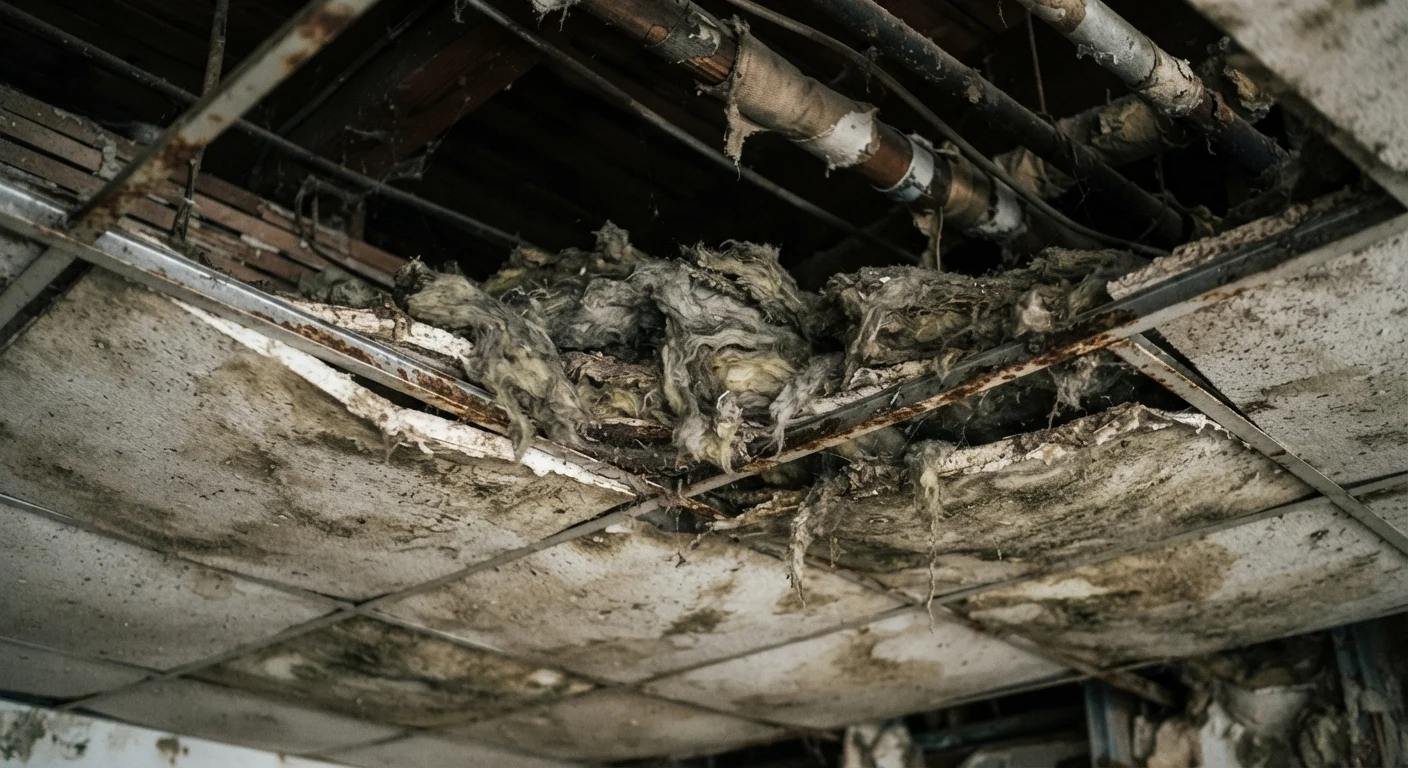
Photo credit: ArticlesHaven.net
In this article
Asbestos was used in many building materials before the 1980s. Learn when testing is appropriate and what certified abatement involves.
Why Asbestos Is Still a Concern in Older Homes
Asbestos was widely used in residential and commercial construction from the 1940s through the late 1970s. It appeared in insulation, floor tiles, roof shingles, drywall joint compound, textured ceiling coatings, and pipe wrap - materials valued for their fire resistance and durability. The EPA and CPSC began restricting its use after research established a clear link between asbestos fiber exposure and serious lung conditions, including mesothelioma and asbestosis.
The key distinction homeowners need to understand is the difference between intact and disturbed asbestos. Material that is in good condition and left undisturbed generally does not release fibers into the air. The risk rises sharply when materials are cut, drilled, sanded, or demolished - exactly what happens during a renovation. If your home was built before 1980, testing before any significant work begins is a prudent step, not an overreaction.
For a related hazard common in the same era of construction, see what homeowners should know about lead paint before any renovation.
What Asbestos Testing Actually Involves
Testing is a two-stage process: sampling and laboratory analysis. A certified asbestos inspector physically collects small samples from suspect materials - think floor tile, pipe insulation, or popcorn ceiling texture - using controlled methods that minimize fiber release. Samples are sealed and sent to an accredited laboratory for analysis, typically using PLM or TEM techniques.
Asbestos
A group of naturally occurring mineral fibers once widely used in construction for fire resistance and insulation. Inhalation of airborne fibers is linked to serious lung diseases including mesothelioma and asbestosis.
Friable
Describes asbestos-containing material that can be crumbled, pulverized, or reduced to powder by hand pressure. Friable materials release fibers more easily and present a higher risk.
Encapsulation
A method of managing asbestos by applying a sealant or bonding agent to intact materials, preventing fiber release without full removal. Suitable only when the material is in good condition.
Abatement
The complete removal and disposal of asbestos-containing materials by licensed contractors, following strict regulatory containment and disposal requirements.
PLM (Polarized Light Microscopy)
The most common laboratory technique used to identify asbestos fibers in bulk material samples. Accredited labs use PLM as a standard first-line analysis method.
Results generally come back within a few days to two weeks. A positive result tells you the material contains asbestos but does not automatically mean immediate removal is required. Inspectors assess condition and location to recommend management, encapsulation, or full abatement.
DIY test kits are sold at hardware stores and involve collecting samples yourself and mailing them to a lab. These can be appropriate for an initial screen, but they carry significant limitations: improper sampling technique can both miss contamination and expose you to fibers. Regulators and industrial hygienists generally recommend hiring a state-certified asbestos inspector for any pre-renovation assessment.
Pre-1980
Construction era most likely to contain asbestos
The EPA identifies homes and buildings constructed before 1980 as having the greatest likelihood of containing asbestos-containing materials.
~30 million
U.S. homes estimated to contain some asbestos material
Industry and regulatory estimates suggest tens of millions of older American homes contain at least some asbestos-containing building products.
15+ types
Building material categories where asbestos was commonly used
According to EPA documentation, asbestos appeared in more than 15 categories of residential building products, from roofing to textured paint.
When Testing Is Warranted and What Comes Next
Testing makes the most sense in these situations:
- You plan to renovate, demo, or remodel a home built before 1980
- You notice deteriorating insulation, crumbling ceiling tiles, or damaged floor tiles
- You are purchasing an older home and want a baseline assessment
- A contractor or inspector flags a suspect material during routine work
If results confirm asbestos, your options typically fall into three categories: leave it alone (when the material is intact and undisturbed), encapsulation (sealing the material with a bonding compound to prevent fiber release), or abatement (complete removal by a licensed contractor). Full abatement is regulated at the state and federal level. Workers must be licensed, follow strict containment and disposal protocols, and the site must be cleared by an air quality test before reoccupancy.
State Regulations Vary Significantly
Asbestos abatement requirements are governed at both the federal and state levels, and state rules can be more stringent than federal minimums. Licensing requirements for inspectors and abatement contractors, disposal site requirements, and notification rules all vary by state. Always verify the current rules with your state environmental or occupational health agency before beginning any project.
Homeowners should never attempt to remove suspect asbestos-containing materials on their own. Improper removal can spread fibers throughout the home and create a remediation problem far larger - and more expensive - than the original issue. When in doubt, have the material tested first and let the results guide the decision.
EPA Asbestos Information Center
The EPA's official resource covers identifying asbestos, understanding regulations, and finding accredited labs and certified professionals in your state.
National Voluntary Laboratory Accreditation Program (NVLAP)
NVLAP maintains a searchable directory of accredited asbestos testing laboratories, helping homeowners verify a lab's credentials before sending samples.
State Asbestos Program Contacts (EPA Directory)
A state-by-state directory of asbestos regulatory contacts, useful for confirming local licensing requirements and finding certified inspectors and abatement contractors.

Author
Articles Haven Editorial Contributor
Articles Haven Editorial Team is the collective byline for our editorial team and contributor network. Articles published under this byline or an editorial pen name are researched, written, and reviewed according to our editorial standards for clarity, consistency, and independence before publication.
View all articles →