
Home Renovation Myths That Can Derail Your Project Budget
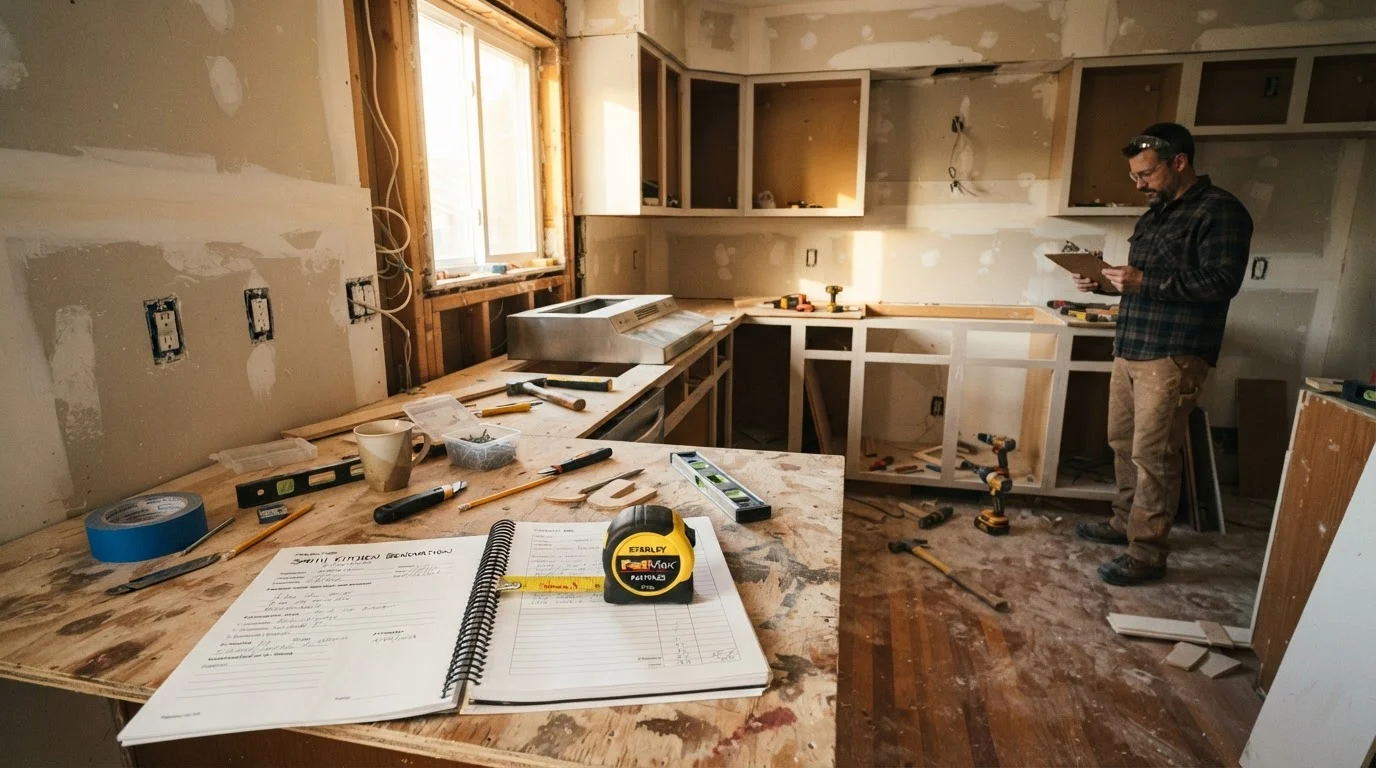
Photo credit: ArticlesHaven.net
In this article
From assuming permits add too much time to thinking contingency funds are optional—these common beliefs cost homeowners money.
Key Takeaways
- Skipping permits to save time often costs far more in fines, delays, and resale complications.
- A contingency fund of 10-20% of your project budget is considered standard practice, not optional.
- DIY isn't always cheaper once materials, tool rentals, and mistake corrections are factored in.
- Higher contractor bids don't automatically signal better quality - scope details matter most.
- Renovation budgets routinely run over estimate; planning for overages is part of sound project management.
Why Renovation Myths Are Expensive
Home renovation is one of the largest discretionary expenses most households face, and the decisions made before a single wall is opened can determine whether a project lands on budget or spirals into financial stress. The problem is that a handful of widely repeated beliefs - passed along by neighbors, TV programs, and online forums - routinely steer homeowners in the wrong direction.
This article examines the most consequential of those myths and replaces them with grounded, practical reality. Whether you're weighing a bathroom refresh or a full addition, understanding where conventional wisdom breaks down is the first step to protecting your budget. For a broader look at how spending beliefs can quietly drain money, see deal-hunting myths that lead to overspending.
Myth
Pulling permits just adds delays and isn't worth the hassle for smaller jobs.
Fact
Unpermitted work can result in fines, forced removal, failed home inspections, and serious complications when you sell.
Many homeowners skip the permit process assuming inspectors won't notice or that the work is too minor to matter. In reality, permit requirements vary by municipality but commonly apply to electrical, plumbing, structural, and HVAC work regardless of scope. When unpermitted work is discovered - during a sale inspection, an insurance claim, or a neighbor complaint - the remediation costs typically far exceed what the permit would have cost. For projects involving additions or major structural changes, the permitting process is a non-negotiable part of the work. See how home addition projects work from permit to punch list for context on what the full process involves. Always verify local permit requirements with your municipality before starting any significant work.
Myth
You don't need a contingency fund if you have a detailed contractor quote.
Fact
Even precise quotes can't account for hidden conditions inside walls, floors, or foundations that only become visible once work begins.
Industry guidance consistently recommends setting aside 10-20% of your total project budget for unexpected costs. This isn't pessimism - it reflects the reality that older homes especially contain surprises: outdated wiring, water-damaged subfloor, missing insulation, or structural issues that weren't visible during planning. A contractor who discovers knob-and-tube wiring mid-project isn't padding the bill; they're responding to a real condition that must be addressed. Homeowners who skip the contingency fund often face a difficult choice midway through a project: go into debt, cut scope, or leave work unfinished.
Myth
DIY always saves money compared to hiring a professional.
Fact
DIY can save labor costs on straightforward tasks, but mistakes, code violations, and tool costs can make it more expensive overall.
The DIY calculation is more nuanced than it first appears. Material costs are the same whether you hire out or do it yourself. What changes is labor - but labor savings evaporate quickly if a mistake requires a professional to fix it, if the work fails inspection, or if a tool rental eats into the margin. Tasks involving electrical panels, load-bearing walls, gas lines, or roofing carry meaningful safety and code compliance risks that make professional involvement prudent. For hazardous materials specifically, what homeowners should know about lead paint before any renovation outlines when EPA-certified professionals are required by law - not just recommended.
Myth
The highest contractor bid means the highest quality work.
Fact
Bid price reflects many factors beyond skill - overhead, scheduling, material choices, and profit margin all vary between contractors.
A higher bid doesn't automatically signal a more qualified contractor, and a lower bid doesn't mean cut corners. What matters most is the scope of work each contractor is actually quoting. Two bids for a bathroom renovation may look very different because one includes tile removal and one doesn't, or because one uses standard fixtures and one quotes premium upgrades. Before comparing numbers, make sure you're comparing identical scopes. Check licensing, verify references, and ask each contractor to itemize their quote. Bathroom renovation vs. refresh is a useful reference for understanding how scope differences translate to cost differences.
Myth
Renovating always increases your home's resale value by at least what you spend.
Fact
Most renovations return less than 100% of their cost at resale, and some return significantly less depending on project type and local market.
The belief that renovation spending translates dollar-for-dollar into home value is one of the most persistent and costly myths in the category. Return on investment varies considerably by project type, quality of execution, and local real estate conditions. Kitchens and bathrooms tend to perform better than highly personalized upgrades, but even common projects rarely return full cost. This doesn't mean renovation is a bad decision - improved livability, energy efficiency, and safety have real value - but treating renovation as a guaranteed financial investment leads to poor project selection. Prioritize improvements that address actual problems or usability gaps, not just resale speculation.
Budget, Insurance, and What Contractors Won't Always Tell You
Two areas where homeowners frequently underestimate exposure are contingency planning and insurance coverage. Many assume their standard homeowners policy will step in if a renovation goes wrong - but that assumption is often incorrect. Coverage gaps during active construction are common, and policy terms vary significantly. Before starting work, it's worth reviewing common myths about what homeowners insurance covers to understand what your policy actually protects.
Check Your Insurance Before Work Starts
Standard homeowners insurance policies may not cover damage that occurs during active renovation, and liability coverage for contractors working on your property varies. Some policies require a rider or builder's risk policy for significant projects. Contact your insurance provider before breaking ground and ask specifically about coverage gaps during construction. Do not assume existing coverage extends automatically.
Scheduling is another hidden budget risk. Trade sequencing - the order in which electricians, plumbers, drywall crews, and finish carpenters must work - is a primary driver of timeline overruns. A delay in one trade holds up every trade that follows, and idle time costs money. Why renovation timelines slip breaks down these patterns in detail.
10-20%
Recommended renovation contingency buffer
Industry professionals and financial planners commonly advise reserving 10-20% of the total project budget for unforeseen costs.
~66%
Average cost recouped on mid-range kitchen remodels
Remodeling Magazine's Cost vs. Value reports have historically shown mid-range kitchen remodels recouping roughly two-thirds of project costs at resale.
When funds are genuinely limited, sequencing projects by urgency and impact matters as much as individual line-item costs. See how to prioritize home improvement projects on a budget for a practical framework.
Hazardous Materials Require Licensed Professionals
Renovation work in homes built before 1978 may disturb lead paint or asbestos-containing materials. Federal EPA regulations require certified renovators for certain work in these homes. Attempting to handle hazardous materials without proper training and equipment poses serious health risks. Always determine the age and material composition of affected areas before starting any demolition or removal work, and consult a licensed professional when regulated materials may be present.

Author
Articles Haven Editorial Contributor
Articles Haven Editorial Team is the collective byline for our editorial team and contributor network. Articles published under this byline or an editorial pen name are researched, written, and reviewed according to our editorial standards for clarity, consistency, and independence before publication.
View all articles →