
Energy-Efficient Home Upgrades: What They Actually Do and Don't Do
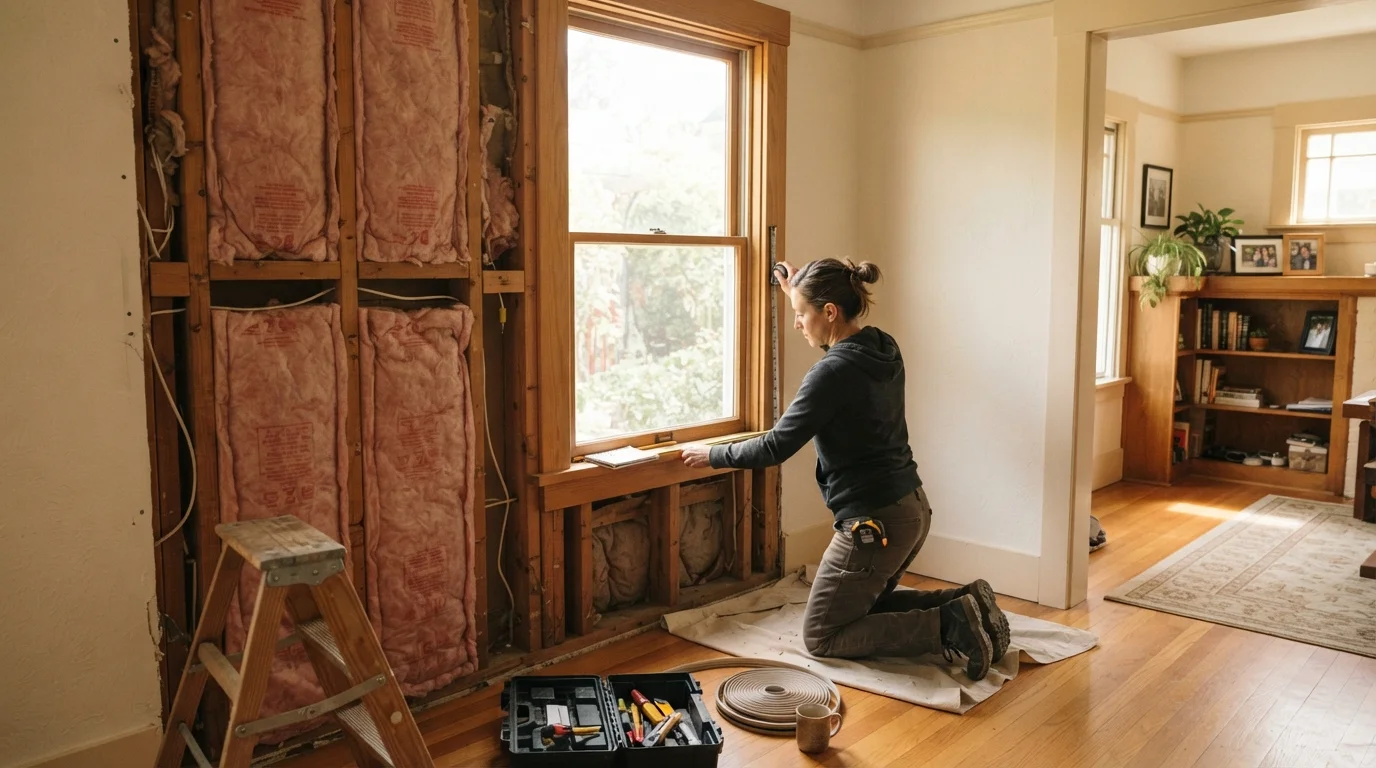
Photo credit: ArticlesHaven.net
In this article
Air sealing, insulation, and window upgrades can reduce energy use—but outcomes vary. Get a realistic picture of what each improvement involves.
Key Takeaways
- Air sealing and insulation consistently deliver measurable energy savings, but results depend heavily on your home's starting condition.
- Some upgrades - like window replacement - cost more than the energy savings they generate over a typical payback period.
- DIY options exist, but electrical, HVAC, and structural work generally require licensed professionals and local permits.
- A home energy audit before committing to any upgrade can clarify where your money goes furthest.
- Federal and state incentive programs may offset upfront costs, but eligibility and amounts vary - verify before budgeting.
Reduces heating and cooling energy consumption
Air sealing and insulation improvements can meaningfully cut the energy needed to maintain indoor temperatures, particularly in older or drafty homes where conditioned air is escaping through gaps and thin walls.
Improves year-round indoor comfort
Beyond utility bills, upgrades like insulation and window improvements reduce cold drafts, hot spots, and humidity imbalances - benefits homeowners often notice before savings appear on a bill.
May qualify for tax credits or utility rebates
Federal energy efficiency tax credits and utility-sponsored rebate programs can offset upfront costs for qualifying improvements, though amounts, eligibility, and deadlines vary and should be verified directly.
Can increase home resale value
Energy-efficient features are increasingly listed as selling points, and some upgrades - particularly insulation and HVAC - may be viewed favorably by buyers and appraisers, though outcomes vary by market.
Payback periods can be long or uncertain
Window replacement and some HVAC upgrades may take 15-25 years to break even on energy savings alone, and actual savings depend on usage patterns, utility rates, and climate - none of which are fixed.
Upfront costs are significant
Professional insulation, window replacement, or heat pump installation can run into thousands of dollars, making access uneven for homeowners without available savings or financing options.
Improper installation reduces or eliminates benefits
Insulation installed without adequate air sealing, or HVAC equipment that's incorrectly sized, can fail to deliver expected savings and may create new problems like moisture buildup or uneven heating.
Permits and local codes add complexity
Many energy upgrade projects require permits, inspections, and licensed contractors - skipping these steps creates legal and insurance risk, particularly for HVAC, electrical, and structural work.
Why Outcomes Vary More Than Marketing Suggests
Energy-efficient upgrades are often marketed with headline savings figures - "cut your heating bill by 30%" - that don't hold up universally. Those numbers typically come from best-case scenarios: poorly insulated older homes in cold climates where a single upgrade fills a large gap. If your home already has decent insulation, the marginal gain from adding more is smaller. If your climate is mild, heating and cooling costs are lower to begin with, so percentage savings translate to fewer real dollars.
The U.S. Department of Energy estimates that air sealing alone can reduce heating and cooling costs by 10-20% in leaky homes, but that range is wide for a reason. A 1960s ranch with no attic insulation will respond very differently than a 2005 build with standard fiberglass batts. Understanding your home's current condition - not just the upgrade being sold - is the starting point for any realistic evaluation.
See our guide to prioritizing home improvement projects for a framework on sequencing upgrades by urgency and impact.
Start With a Home Energy Audit
Before investing in any upgrade, a professional home energy audit (sometimes called a whole-house assessment) uses diagnostic tools like a blower door test to find where air and energy are actually being lost. Many utility companies offer subsidized or free audits. This step often changes the order in which upgrades make financial sense, and can prevent spending on improvements that won't move the needle in your specific home.
The Upgrades Worth Understanding in Detail
Air sealing targets gaps around windows, doors, electrical outlets, plumbing penetrations, and attic hatches - anywhere conditioned air escapes. It's one of the lowest-cost, highest-impact improvements available, and significant portions of it are DIY-friendly using caulk and weatherstripping. However, attic and basement air sealing can involve tight spaces and potential moisture or mold concerns that warrant professional attention.
Insulation works hand-in-hand with air sealing. Adding attic insulation is frequently cited as one of the highest-return upgrades in cold climates. Wall insulation in existing homes is more disruptive and expensive, often requiring blown-in insulation through holes drilled in exterior or interior walls. It's rarely a DIY project and usually requires permits.
Window replacement is widely discussed but frequently misunderstood. Modern double- or triple-pane windows do reduce heat loss compared to single-pane originals, but the energy savings alone rarely justify the $8,000-$20,000 cost of a full-home replacement. Comfort improvements - reduced drafts, less condensation - are often the more honest selling point. When to repair versus replace windows covers this trade-off in detail.
HVAC upgrades, including heat pumps and high-efficiency furnaces, can meaningfully cut energy use - but only if the existing system is truly the bottleneck. Replacing a working 10-year-old furnace with a newer model may not recoup costs before the end of its useful life. Common HVAC upgrade misconceptions addresses sizing and efficiency trade-offs that many homeowners overlook.
10-20%
Potential heating/cooling cost reduction from air sealing
The U.S. Department of Energy estimates this range for leaky homes, though actual results depend on the home's existing condition and climate zone.
~15%
Average energy savings from adding attic insulation
EPA's ENERGY STAR program cites attic insulation as one of the most cost-effective retrofits, particularly in homes with little or no existing coverage.
Pros and Cons of Pursuing Energy Upgrades
Taking stock of both sides helps clarify when an upgrade makes sense and when it's better to wait or choose a different approach.
Reduces heating and cooling energy consumption
Air sealing and insulation improvements can meaningfully cut the energy needed to maintain indoor temperatures, particularly in older or drafty homes where conditioned air is escaping through gaps and thin walls.
Improves year-round indoor comfort
Beyond utility bills, upgrades like insulation and window improvements reduce cold drafts, hot spots, and humidity imbalances - benefits homeowners often notice before savings appear on a bill.
May qualify for tax credits or utility rebates
Federal energy efficiency tax credits and utility-sponsored rebate programs can offset upfront costs for qualifying improvements, though amounts, eligibility, and deadlines vary and should be verified directly.
Can increase home resale value
Energy-efficient features are increasingly listed as selling points, and some upgrades - particularly insulation and HVAC - may be viewed favorably by buyers and appraisers, though outcomes vary by market.
Payback periods can be long or uncertain
Window replacement and some HVAC upgrades may take 15-25 years to break even on energy savings alone, and actual savings depend on usage patterns, utility rates, and climate - none of which are fixed.
Upfront costs are significant
Professional insulation, window replacement, or heat pump installation can run into thousands of dollars, making access uneven for homeowners without available savings or financing options.
Improper installation reduces or eliminates benefits
Insulation installed without adequate air sealing, or HVAC equipment that's incorrectly sized, can fail to deliver expected savings and may create new problems like moisture buildup or uneven heating.
Permits and local codes add complexity
Many energy upgrade projects require permits, inspections, and licensed contractors - skipping these steps creates legal and insurance risk, particularly for HVAC, electrical, and structural work.
DIY vs. Professional Work: Where the Line Is
Some energy upgrades are genuinely accessible to motivated homeowners. Caulking window frames, installing door sweeps, adding weatherstripping, and placing outlet gaskets on exterior walls are low-skill, low-risk tasks. Attic insulation with blown-in cellulose or fiberglass batts can also be DIY in some cases, though protective gear and proper ventilation coverage matter.
Other work should involve licensed professionals. Anything touching your electrical panel, gas lines, or structural elements requires permits in most jurisdictions, and skipping that step creates liability problems at resale. HVAC installation and refrigerant handling are federally regulated. If you're considering a smart or programmable thermostat, that's a reasonable DIY project for most homeowners - but it's also one of the smaller levers in the overall energy picture.
Before committing to any major upgrade, a home energy audit - either a DIY blower-door-test-guided checklist or a professional assessment - helps identify which improvements are actually worth prioritizing in your specific home. Verify any available rebates or tax incentives through your utility provider or state energy office before finalizing a budget, since these programs change and eligibility conditions vary.

Author
Articles Haven Editorial Contributor
Articles Haven Editorial Team is the collective byline for our editorial team and contributor network. Articles published under this byline or an editorial pen name are researched, written, and reviewed according to our editorial standards for clarity, consistency, and independence before publication.
View all articles →