
What Homeowners Get Wrong About HVAC Upgrades
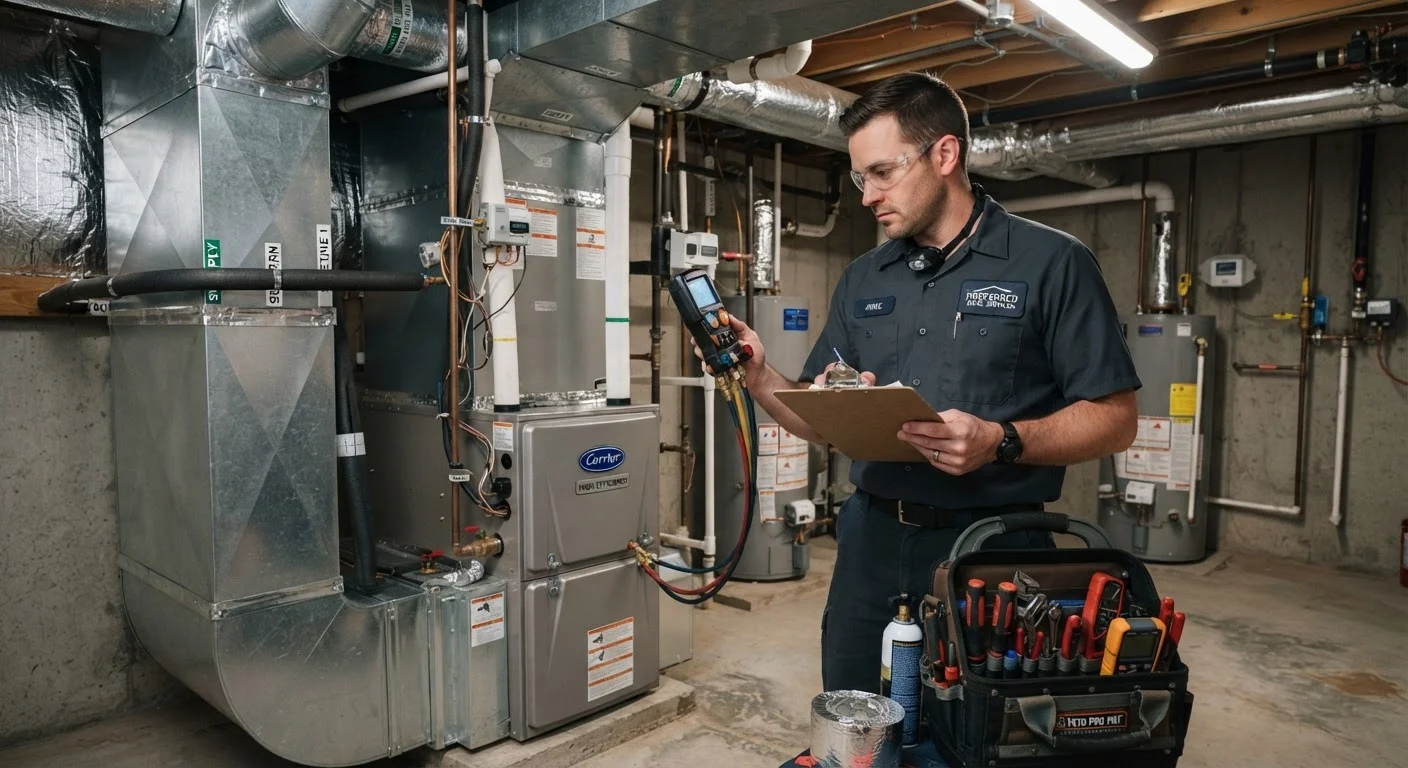
Photo credit: ArticlesHaven.net
In this article
Bigger isn't always better when it comes to HVAC systems. Explore common misunderstandings about sizing, efficiency, and installation.
Key Takeaways
- Bigger HVAC systems are not always better - improper sizing causes comfort and efficiency problems.
- High SEER ratings only deliver savings when the installation and ductwork support the system.
- Most HVAC work requires permits and licensed contractors; DIY installs can void warranties.
- Replacing only the outdoor unit without the indoor coil is a common and costly mistake.
- Duct condition matters as much as the equipment itself for energy performance.
Why HVAC Misconceptions Cost Homeowners Real Money
HVAC upgrades rank among the most expensive home improvement decisions most people make - systems routinely cost several thousand dollars installed. Yet many homeowners approach the process with assumptions that lead to equipment that underperforms, wears out faster, or fails inspection. The myths below are among the most common, and correcting them can make a meaningful difference in both comfort and long-term cost.
Myth
A larger HVAC system will cool and heat my home faster and more effectively.
Fact
Oversized systems short-cycle - shutting off before completing a full conditioning cycle - which reduces humidity control and wears out components faster.
An oversized unit blasts conditioned air quickly, hits the thermostat setpoint, and shuts off. This sounds efficient but creates two problems: indoor humidity stays high in summer because the system doesn't run long enough to dehumidify, and constant on-off cycling accelerates wear on compressors and motors. Proper sizing, determined through a Manual J load calculation, accounts for your home's square footage, insulation quality, window area, and local climate - not just a rough square-footage estimate.
Myth
A higher SEER rating always means lower energy bills.
Fact
SEER (Seasonal Energy Efficiency Ratio) potential is only realized when the full system - ductwork, air handler, refrigerant charge - is properly matched and installed.
A 20-SEER condenser connected to leaky ducts, a mismatched coil, or an incorrect refrigerant charge will underperform a well-installed 16-SEER system. Efficiency ratings are tested under laboratory conditions. Real-world performance depends heavily on installation quality. The Department of Energy consistently notes that duct leakage alone can waste 20-30% of conditioned air in a typical home. See also: what energy-efficient upgrades actually deliver.
Myth
I can swap out just the outdoor condenser unit to save money on a replacement.
Fact
Mixing an older indoor coil with a new outdoor unit creates a mismatched system that operates inefficiently and may void the manufacturer warranty.
Modern condensers are engineered to work with specific indoor evaporator coils. Pairing new refrigerant-compatible equipment (R-410A or R-454B systems) with an older coil designed for a different refrigerant can reduce efficiency, cause refrigerant issues, and shorten the system's lifespan. Most reputable contractors and equipment manufacturers require matched systems for warranty coverage to apply.
Myth
HVAC installation is a manageable DIY project for a handy homeowner.
Fact
HVAC installation involves refrigerant handling, electrical connections, and gas lines - all of which are regulated and typically require licensed contractors and permits.
Federal law requires EPA Section 608 certification to purchase and handle refrigerants. Local building codes in most jurisdictions require permits for HVAC installation and replacement, and inspections are common. Unpermitted work can complicate home sales and may affect homeowners insurance claims. For a broader look at which projects belong in the DIY column versus which require a pro, this contractor vs. DIY guide covers the decision framework clearly.
Myth
Once a new HVAC system is installed, duct condition doesn't matter much.
Fact
Duct leaks, poor insulation, and inadequate sizing in the duct system directly undermine even a brand-new, high-efficiency unit.
Ducts that leak conditioned air into unconditioned spaces like attics or crawl spaces represent some of the largest sources of energy waste in American homes. Before investing in high-efficiency equipment, it's worth having a duct leakage test performed. Sealing and insulating ducts is often more cost-effective than upgrading the mechanical equipment. Attic insulation choices also affect how hard your HVAC system has to work year-round.
What to Actually Focus On Before Upgrading
Before shopping for equipment, it helps to shift focus from unit specifications to whole-system performance. A few practical areas worth evaluating:
- Get a Manual J calculation: This is the industry-standard method for determining the right system size for your specific home. Any contractor who sizes equipment based solely on square footage is skipping a critical step.
- Test your ducts first: A blower door or duct leakage test gives you real data on where conditioned air is escaping. Fixing duct issues before installing new equipment often improves performance more than the equipment upgrade itself.
- Match indoor and outdoor components: Confirm your contractor is installing a matched system from the same manufacturer's specifications - not mixing old and new components to cut upfront costs.
- Verify permits and inspections: A permit protects you. Unpermitted HVAC work can create complications during home sales and may raise questions with your insurer. Common myths about homeowners insurance coverage is worth reviewing if you're unsure how HVAC-related claims are typically handled.
Don't Skip the Permit - Even if a Contractor Suggests It
Some contractors offer to skip permits to reduce cost or speed up the job. This creates risk for you as the homeowner: unpermitted HVAC work may not meet local code, could affect your ability to sell the home, and might create complications with insurance claims. Always request that permits be pulled and inspections completed as part of any HVAC installation or replacement project.
If you're weighing supplemental cooling options - like a window unit for a room addition - window AC versus portable air conditioner trade-offs provides a practical comparison. And if your project involves air sealing or insulation alongside an HVAC upgrade, renovation budget myths is useful context before you commit.

Author
Articles Haven Editorial Contributor
Articles Haven Editorial Team is the collective byline for our editorial team and contributor network. Articles published under this byline or an editorial pen name are researched, written, and reviewed according to our editorial standards for clarity, consistency, and independence before publication.
View all articles →