
Window Replacement vs. Window Repair: Making the Right Call
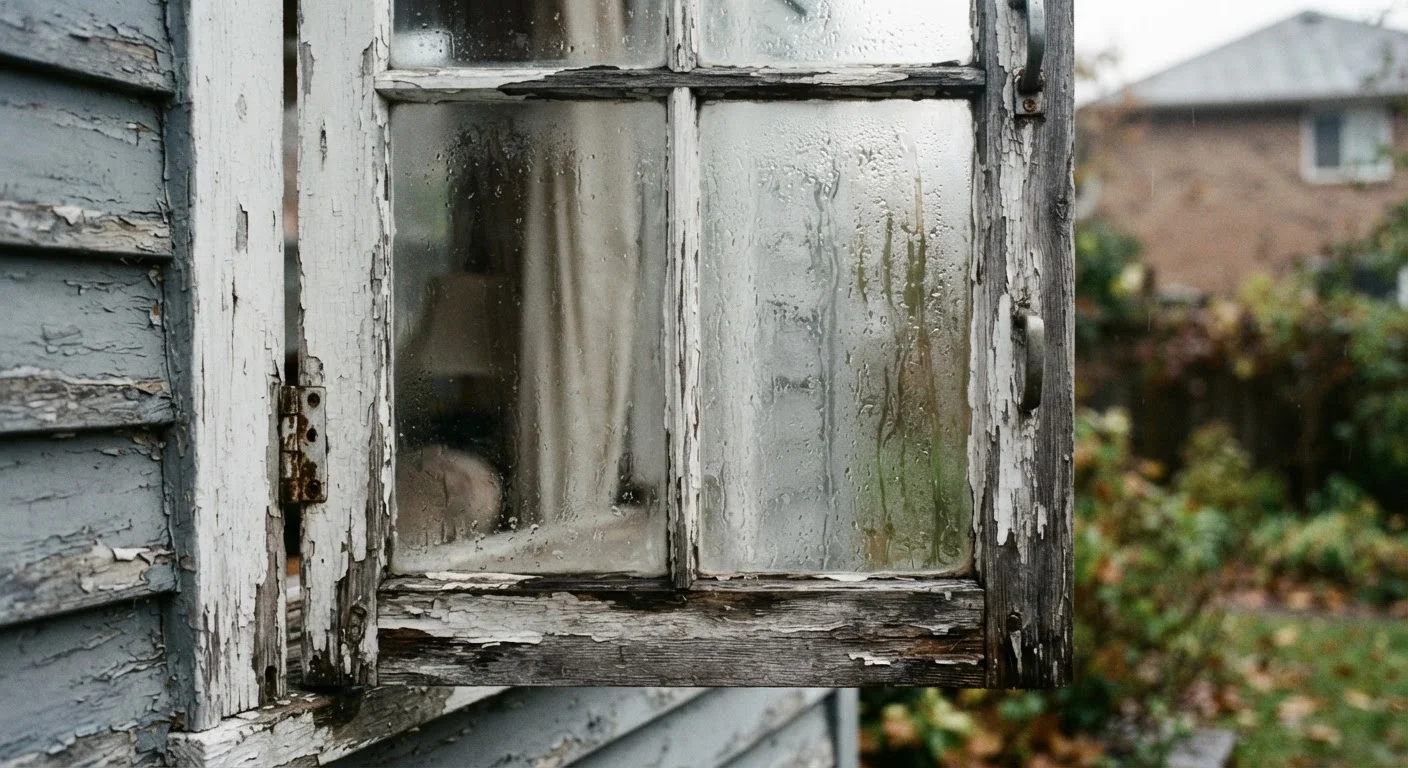
Photo credit: ArticlesHaven.net
In this article
Drafty or foggy windows don't always need full replacement. Learn when repair is viable and when a full swap makes more sense.
Key Takeaways
- Foggy glass between panes usually signals a failed seal, which can sometimes be fixed without full replacement.
- Structural rot in the frame or sill typically makes repair impractical - replacement is the safer path.
- Single-pane windows offer limited repair value; upgrading to double-pane units meaningfully improves thermal performance.
- Repair costs are almost always lower upfront, but may recur if underlying issues are systemic.
- Replacement adds more consistent home value but carries higher installation complexity and cost.
- Always get a professional assessment before committing - visible symptoms often mask deeper problems.
How to Read the Problem Before Choosing a Solution
The instinct to replace every drafty or foggy window can be costly. Equally, slapping a bead of caulk on a rotting frame just delays an inevitable failure. Getting the diagnosis right saves both money and frustration.
Start by asking: is the problem confined to one component, or is the whole unit compromised? A window is a system - glass, frame, sash, hardware, and weatherstripping all play distinct roles. Problems in one area don't automatically condemn the rest.
Common symptoms and what they often indicate:
- Fogging or condensation between panes: Failed insulating seal - sometimes repairable via defogging or glass-only replacement.
- Drafts around the frame: Usually weatherstripping or caulk failure - a straightforward repair in most cases.
- Difficulty opening or closing: Often hardware or balance issues, occasionally frame warping from moisture.
- Visible rot or soft wood: Structural compromise - repair is rarely durable here.
- Single-pane glass in an older home: No repair closes the efficiency gap with modern double-pane units.
For context on how repair-versus-replace decisions play out in related projects, see this breakdown of cabinet refacing vs. replacement - the same cost logic applies.
| Criterion | Window Repair | Window Replacement |
|---|---|---|
| Typical cost range | Lower - often $50-$400 per window | Higher - often $400-$1,200+ per unit installed |
| Best candidate | Isolated component failure, sound frame | Structural damage, end-of-life units |
| Energy efficiency impact | Moderate - sealing gaps helps | Significant - especially single-to-double pane |
| DIY viability | Moderate - hardware and caulking are DIY-friendly | Low - installation requires precision and experience |
| Longevity of fix | Variable - depends on root cause | 15-30+ years with quality product and install |
| Disruption level | Minimal - hours per window | Higher - multiple days for whole-home projects |
What Repair Can and Can't Fix
Window repair covers more ground than many homeowners expect - but it has clear limits.
Repairs That Typically Hold Up Well
- Weatherstripping replacement: One of the most cost-effective home improvements available. New weatherstripping eliminates drafts and is within reach for confident DIYers.
- Recaulking: Exterior caulk around frames degrades over time. Fresh caulk is inexpensive and extends window life considerably.
- Hardware swaps: Broken cranks, latches, and sash locks are usually available as aftermarket parts.
- Glass-only or IGU replacement: If the insulated glass unit (IGU) seal has failed but the sash and frame are intact, replacing just the glass unit is viable - though it requires a glazier or experienced contractor.
Repairs That Rarely Pay Off
- Patching rotted wood: Epoxy wood fillers can stabilize minor surface rot, but deep or widespread rot compromises structural integrity in ways that won't hold long-term.
- Repairing warped frames: Significant warping from moisture intrusion usually means the frame has absorbed and released water repeatedly - a cycle that continues and worsens.
Defogging Is Not a Permanent Fix
Some companies offer defogging services that drill small holes into the IGU and inject a drying agent. This can temporarily reduce visible condensation, but it does not restore the inert gas fill or the original insulating performance of the sealed unit. It may buy time, but it is not equivalent to replacing the IGU with a new sealed unit.
For a realistic look at what efficiency improvements actually deliver, this overview of energy-efficient home upgrades provides useful context before you commit to any window project.
When Replacement Makes Financial Sense
Replacement carries a significantly higher upfront cost - full-frame replacements for a standard double-hung window can range from several hundred to over a thousand dollars per unit installed, depending on material, size, and local labor rates. That math only works in your favor under certain conditions.
~72%
Cost recouped on window replacement at resale
Remodeling Magazine's Cost vs. Value reports consistently show vinyl window replacements recovering roughly 68-74% of project cost at resale, making repair the stronger short-term financial choice unless replacement is truly necessary.
10-20 years
Typical lifespan of an insulated glass unit seal
IGU seals degrade over time due to thermal cycling; most manufacturers rate seal life in this range, after which fogging becomes increasingly likely regardless of frame condition.
Replacement tends to be the rational choice when:
- Multiple windows in the home share the same underlying failure (failed seals throughout, systemic rot, original single-pane units).
- The window is so old that replacement parts are no longer manufactured.
- An energy audit or home inspection identifies window performance as a meaningful contributor to heating and cooling losses.
- The frame material itself has reached end of life - aluminum frames that have lost their thermal break, or wood frames with deep structural damage.
Replacement is also worth considering if you're making other envelope improvements. As with roofing work - where material and labor decisions are closely intertwined - window projects benefit from coordinated planning. Understanding what drives major home improvement costs can help you approach contractor conversations more prepared.
It's worth noting that replacement doesn't automatically translate to dramatic energy savings. Outcomes depend heavily on installation quality, climate, and the specific product chosen. A poorly installed replacement window can perform worse than a well-maintained older unit.
DIY Versus Professional Work: Knowing the Boundary
Some window tasks are genuinely approachable for a handy homeowner. Others carry real risk - of injury, of voiding warranties, or of creating water intrusion problems that cost far more to remediate than the original repair.
Generally Manageable as DIY
- Weatherstripping replacement on accessible windows
- Recaulking exterior frames (low-risk, high-reward)
- Replacing latches, locks, and basic hardware
Better Left to Professionals
- IGU or glass-only replacements (glass handling carries safety risks, and improper fitting causes seal failure)
- Full-frame replacement (requires precise measurements, flashing, and sometimes trim carpentry)
- Any work involving structural rot assessment - a professional can distinguish surface rot from deeper damage that isn't visible
Many jurisdictions don't require permits for window repair or like-for-like replacement, but it's worth checking local building codes - especially for historic districts or if you're changing window size or configuration. When in doubt, verify with your local building department before starting. For repairs involving rot or water damage, consider whether matching the right fix to the extent of damage applies to adjacent interior surfaces as well.
This article is for general informational purposes only. Costs, repair options, and code requirements vary by location and window type. Consult a qualified contractor for an assessment specific to your home.

Author
Articles Haven Editorial Contributor
Articles Haven Editorial Team is the collective byline for our editorial team and contributor network. Articles published under this byline or an editorial pen name are researched, written, and reviewed according to our editorial standards for clarity, consistency, and independence before publication.
View all articles →