
How Soil Structure Affects Drainage, Root Growth, and Plant Health
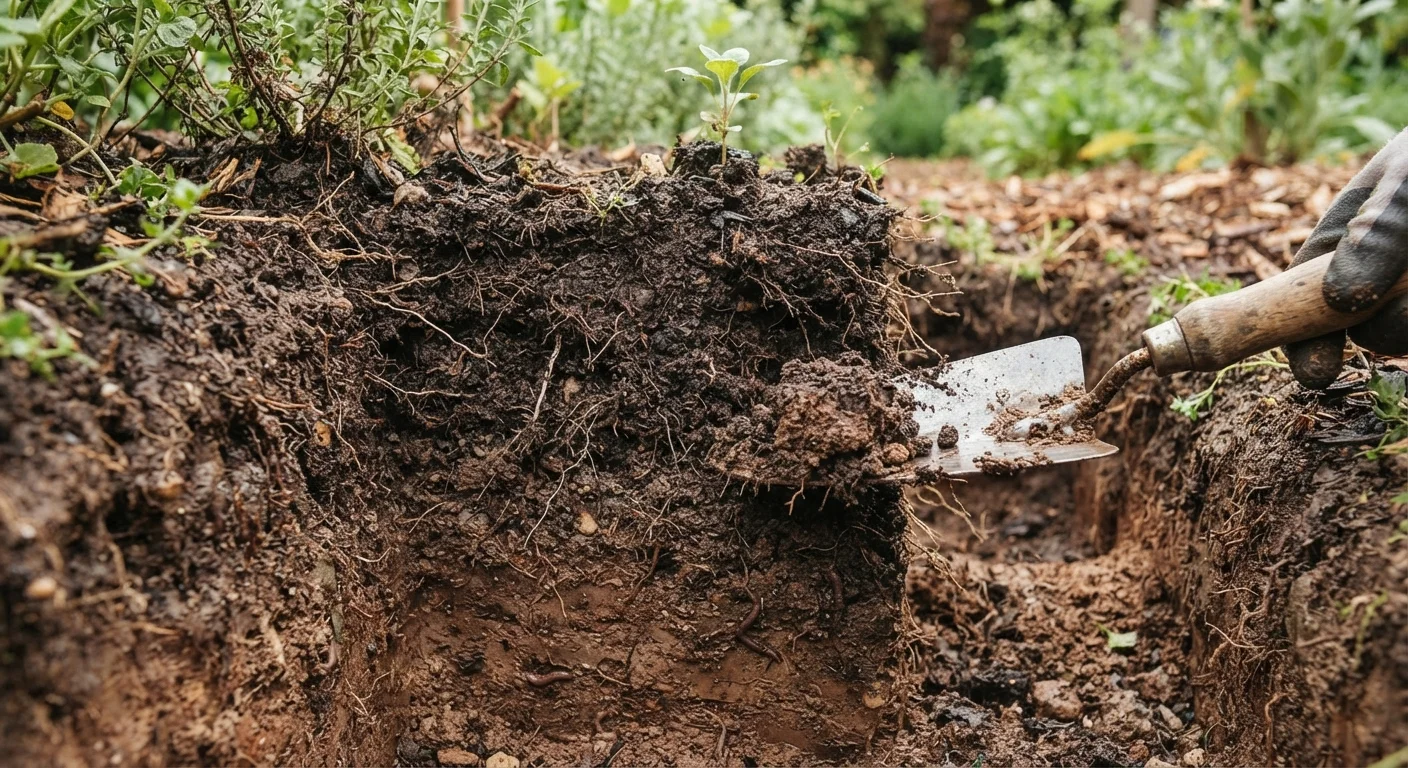
Photo credit: ArticlesHaven.net
In this article
Sandy, clay, and loamy soils behave very differently under your plants. A clear look at soil structure and what it means for everyday gardening.
Key Takeaways
- Clay soils drain slowly and compact easily, while sandy soils drain fast but hold few nutrients.
- Loamy soil - a balanced mix of sand, silt, and clay - supports the widest range of plants.
- Adding organic matter improves structure in both clay and sandy soils.
- Compaction reduces pore space and is one of the most common causes of poor drainage and stunted roots.
- Knowing your soil type helps you choose plants, adjust watering habits, and decide whether amendments are worth the effort.
The Three Main Soil Types and What Sets Them Apart
Every garden soil is a mixture of three mineral particles: sand, silt, and clay. The proportion of each determines how your soil behaves - and no two yards are identical.
- Sandy soil has large particles with wide pore spaces. Water drains through it quickly, which means plant roots rarely suffocate, but nutrients leach out fast and the soil dries out between waterings. Plants that prefer dry conditions, like lavender or rosemary, tend to do well here.
- Clay soil has tiny, flat particles that pack together tightly. It holds moisture and nutrients well, but drains slowly and compacts under foot traffic or rain. Roots struggle to push through dense clay, and standing water after rain is a common complaint.
- Loamy soil sits in the middle - a roughly balanced blend of sand, silt, and clay. It drains adequately, retains enough moisture for most plants, and has good aeration for roots. Most vegetables and flowering perennials perform best in loam.
Silt, the third particle type, has a texture between sand and clay. Silty soils feel smooth and can be fairly fertile, but they're prone to crusting over at the surface and compacting when wet.
~45%
Mineral particles in typical healthy soil
Soil scientists generally describe ideal garden soil as roughly 45% minerals, 25% water, 25% air, and 5% organic matter by volume.
2-3 inches
Compost depth recommended per planting season
University cooperative extension programs commonly recommend incorporating 2-3 inches of compost annually to maintain or improve soil organic matter levels.
50%
Reduction in water infiltration from compaction
Research in agricultural soil science has shown that moderate compaction can reduce water infiltration rates by roughly half compared to undisturbed soil.
How Soil Structure Controls Drainage and Aeration
Drainage isn't just about whether water disappears after rain - it's about how long roots sit in saturated conditions. When pore spaces between soil particles are too small or too few, water moves slowly and oxygen can't reach root zones. Plants need both water and air around their roots; without adequate oxygen, root function breaks down even when the soil looks moist.
Compaction is one of the most damaging structural problems in home gardens. It's caused by foot traffic, wet-soil tilling, or heavy rain on bare earth. Compacted soil has fewer pore spaces, which slows drainage and leaves roots little room to expand.
Drainage Problems Aren't Always Soil-Deep
Sometimes poor drainage reflects a hardpan layer - a dense band of soil several inches down that water can't penetrate. You can test for this by digging a hole about 12 inches deep, filling it with water, and timing how long it takes to drain. If water is still sitting after several hours, a hardpan or heavy subsoil layer may be the culprit rather than surface structure alone.
If your garden has low spots that pool water after rain, soil structure is a likely contributor - but so is overall slope and grading. For a broader look at how water behaves around your property, see how drainage and slope factor into outdoor planning.
Root Growth: What Soil Structure Allows or Prevents
Roots follow the path of least resistance. In loose, well-aggregated soil, they spread widely and deeply - anchoring the plant and accessing water from a broader area. In dense or compacted soil, roots stay shallow and bunched, making plants more vulnerable to drought, wind, and nutrient deficiency.
Soil structure also affects which root types develop. Fibrous roots (common in grasses and many vegetables) need friable, well-aerated soil to branch effectively. Taproot plants like carrots literally cannot form properly in heavy clay - they fork, split, or stay stunted when they can't penetrate downward.
If you're weighing whether to improve your native soil or sidestep the problem entirely, comparing raised beds to in-ground planting covers the trade-offs in detail.
Improving Soil Structure: What Actually Works
The most broadly effective amendment for almost any soil type is organic matter - compost, aged manure, or leaf mold. In clay soil, it opens up aggregates and improves drainage. In sandy soil, it acts like a sponge, slowing water loss and providing nutrients. Most extension services recommend working 2-3 inches of compost into the top 8-10 inches of soil before planting, though the ideal amount depends on your starting point.
Don't Till Wet Soil
Working clay or loamy soil when it's wet destroys aggregates and creates a compacted, cloddy mess that can take seasons to recover. A simple squeeze test works well: grab a handful of soil and squeeze it. If it crumbles when you poke it, it's workable. If it holds a shiny, sticky shape, it's too wet to till.
Cover crops (like clover or rye) are another underused tool. Their roots break up compaction and their decomposing biomass feeds soil organisms that build structure naturally over time.
What you put on the soil matters too. The type of fertilizer you use can affect microbial activity - a key driver of long-term soil health. How organic and synthetic fertilizers behave differently in soil is worth understanding alongside your structure work. Soil pH also shapes how nutrients become available to roots, so it's a related variable to check - what pH means and how to test yours explains the basics clearly.
“Soil is a living system, not just a growing medium. The way we manage its structure determines whether we're working with that system or against it.”
— Fred Magdoff, Professor Emeritus of Plant and Soil Science, University of Vermont, and co-author of 'Building Soils for Better Crops'
Frequently Asked Questions

Author
Articles Haven Editorial Contributor
Articles Haven Editorial Team is the collective byline for our editorial team and contributor network. Articles published under this byline or an editorial pen name are researched, written, and reviewed according to our editorial standards for clarity, consistency, and independence before publication.
View all articles →