
Drip Irrigation vs. Sprinkler Systems for Home Gardens
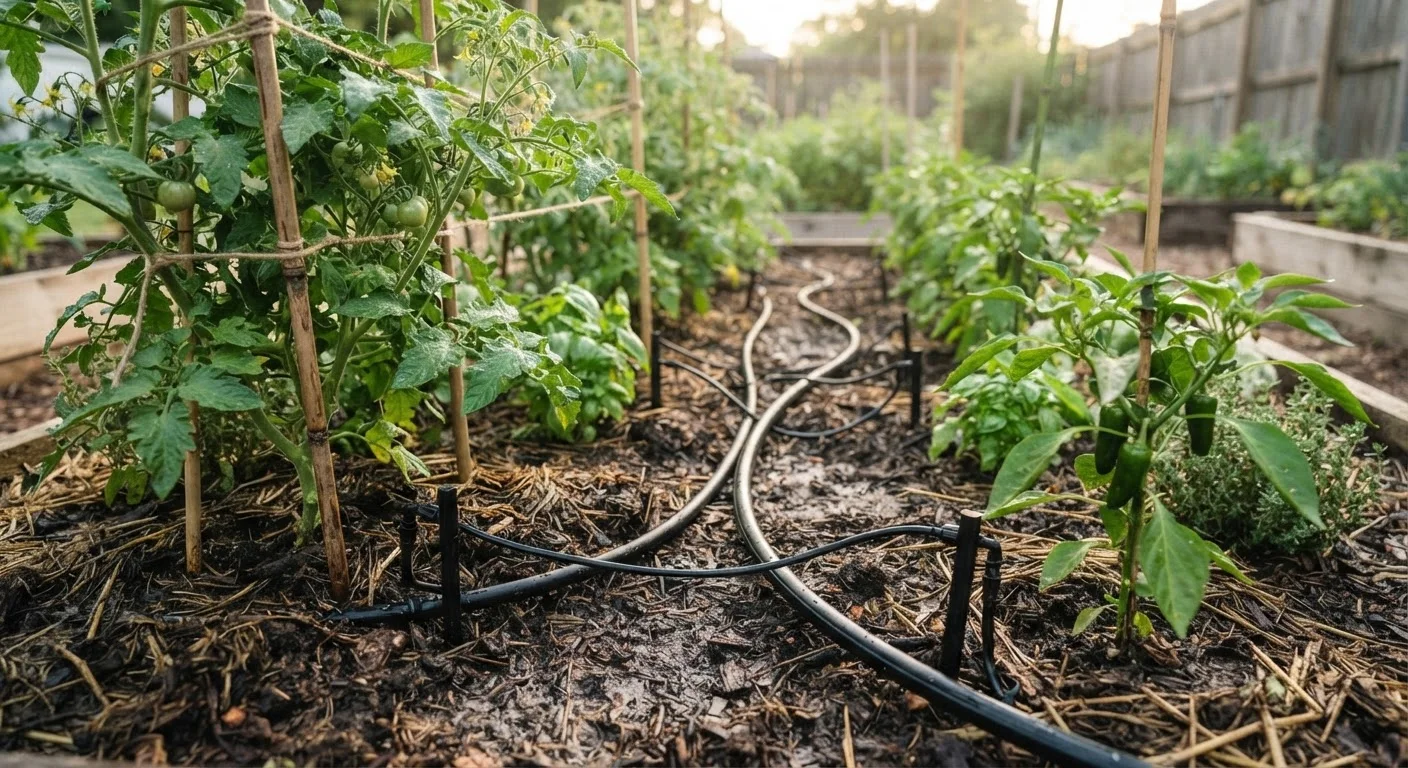
Photo credit: ArticlesHaven.net
In this article
Compare drip irrigation and sprinkler systems on water efficiency, setup complexity, and which plant types each method suits best.
Key Takeaways
- Drip irrigation delivers water directly to roots, reducing evaporation and weed growth significantly.
- Sprinkler systems cover larger areas faster but can lose 20-50% of water to evaporation and runoff.
- Drip setups require more planning upfront but are generally easier to automate and expand.
- Sprinklers are better suited to lawns and dense groundcover; drip wins for vegetables and shrubs.
- Both systems can be combined in a single yard to serve different planting zones effectively.
How Each System Actually Works
Drip irrigation delivers water slowly and directly at or just below soil level through a network of tubing and emitters. Water seeps into the root zone at a controlled rate - typically 0.5 to 2 gallons per hour per emitter - which keeps moisture available without saturating the soil or wetting plant foliage.
Sprinkler systems distribute water overhead through rotating heads, fixed spray nozzles, or oscillating arms. Coverage areas range from a few feet to over 30 feet depending on head type and water pressure. The result is a rain-like effect across a defined zone.
The core difference isn't just where the water lands - it's how efficiently it travels from your source to the plant's roots. Common watering misconceptions often stem from not understanding this distinction.
| Criterion | Drip Irrigation | Sprinkler Systems |
|---|---|---|
| Water efficiency | 90-95% (low evaporation loss) | 50-80% (wind and evaporation losses) |
| Best plant types | Vegetables, shrubs, trees, containers | Lawns, groundcover, dense borders |
| DIY setup difficulty | Moderate (layout planning needed) | Easy to moderate (varies by type) |
| Upfront cost (DIY kit) | Generally lower for garden-scale kits | Low for portable; higher for in-ground |
| Foliage wetness risk | Minimal - water stays at root level | Higher - leaves and stems get wet |
| Weed suppression | Better - soil between rows stays drier | Lower - broad wetting encourages weeds |
| Automation compatibility | High - pairs well with timers/sensors | High - timers widely available |
| Scalability | Easy to expand zone by zone | In-ground systems need professional work |
Water Efficiency: Where the Numbers Land
Water efficiency is where these two systems diverge most sharply. Drip irrigation is widely cited by extension services and water agencies as one of the most efficient irrigation methods available, with efficiency rates often quoted between 90% and 95% - meaning very little water is lost before it reaches plant roots.
Sprinkler systems, by contrast, are subject to losses from wind drift, evaporation, and surface runoff, particularly when watering during warm or windy conditions. Efficiency estimates for conventional sprinklers typically range from 50% to 80%, depending on system design, timing, and maintenance. Watering during the hottest part of the day compounds these losses considerably.
90-95%
Typical drip irrigation water efficiency
Reported by the US Environmental Protection Agency's WaterSense program as a benchmark for well-maintained drip systems.
Up to 50%
Water potentially lost via sprinkler evaporation
The EPA estimates that conventional in-ground sprinkler systems can waste significant water through evaporation, especially midday watering.
30-50%
Water savings potential switching to drip
University cooperative extension guides commonly cite this range when homeowners transition vegetable gardens from overhead spray to drip.
If you're gardening in an area with water restrictions or simply want to reduce your utility bill, the efficiency gap between these systems is meaningful. This connects directly to broader drought-tolerant landscaping strategies worth considering alongside your irrigation choice.
Setup, Cost, and Ongoing Maintenance
Sprinkler systems are often perceived as the easier starting point because rotary or oscillating sprinklers require no special layout planning - you connect them to a hose and adjust the coverage area. However, in-ground sprinkler systems with fixed heads involve trenching, backflow preventers, and zone controllers that typically require professional installation and represent a significant upfront cost.
Drip systems are sold in DIY kit form and are genuinely homeowner-friendly for most garden sizes. You'll need to map emitter placement to match your plant spacing, but the tubing is flexible and fittings are push-to-connect. The main ongoing tasks are checking for clogged emitters (common in areas with hard water) and repositioning lines as plants grow.
Hard Water and Drip Emitter Clogging
In regions with hard water (high mineral content), drip emitters can clog over time as mineral deposits build up. Flushing the system at the end of each season and using a simple filter at the supply connection helps extend emitter life. Checking emitters mid-season is good practice regardless of your water quality. If clogging becomes a persistent issue, switching to pressure-compensating emitters can help maintain consistent flow.
Both system types benefit from timer automation. Combining either with a rain sensor prevents watering during and after rain events - a simple upgrade that pays back in reduced water waste over a season. If you're also considering how your bed type affects irrigation planning, it's worth factoring that into your layout decisions early.
Which Plants Benefit Most from Each Method
Plant type and garden layout are the most practical guides to choosing an irrigation method. Drip irrigation excels for:
- Vegetable gardens - consistent root moisture without leaf wetting reduces fungal disease risk in tomatoes, squash, and beans
- Shrubs and hedges - emitters placed at the drip line of each plant deliver targeted hydration as root systems expand
- Container plantings and raised beds - tight spacing and defined soil volumes make drip lines easy to route and control
Sprinkler systems suit:
- Lawns and turf - dense, even coverage across a wide area is difficult to replicate with drip
- Groundcovers and low-growing annuals - overhead spray handles irregular spacing without requiring individual emitter placement
- Large mixed borders - where plant density makes drip line routing impractical
For gardens that include both a lawn and a vegetable patch, using both systems in separate zones is common and practical. Understanding how your plant mix across seasons shifts over the year can also help you decide whether a permanent or seasonal irrigation setup makes more sense.
Whatever system you use, matching water delivery to actual plant signals matters - see how to read overwatering and underwatering signs to avoid common pitfalls either system can create.

Author
Articles Haven Editorial Contributor
Articles Haven Editorial Team is the collective byline for our editorial team and contributor network. Articles published under this byline or an editorial pen name are researched, written, and reviewed according to our editorial standards for clarity, consistency, and independence before publication.
View all articles →