
Dealing with Garden Pests Without Reaching for Pesticides First
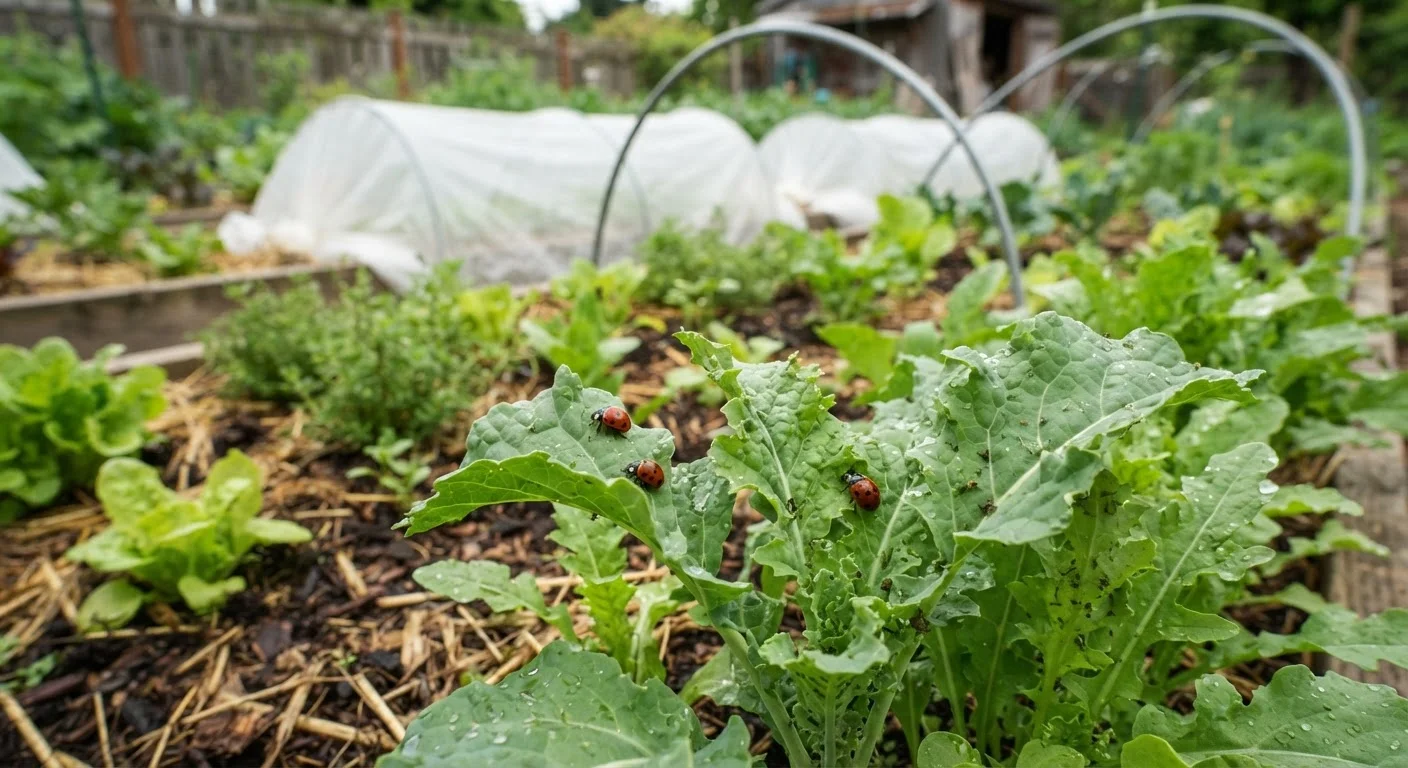
Photo credit: ArticlesHaven.net
In this article
Chemical sprays aren't the only option. Explore physical barriers, beneficial insects, and cultural practices that keep pests in check.
Key Takeaways
- Physical barriers such as row covers and copper tape stop pests before they reach plants.
- Beneficial insects - ladybugs, lacewings, parasitic wasps - naturally reduce pest populations without chemicals.
- Cultural practices like crop rotation and companion planting reduce pest pressure season after season.
- Healthy, well-nourished soil grows stronger plants that are more resistant to pest damage.
- Pesticides, even organic ones, can harm beneficial insects and pollinators; reserve them as a last resort.
Why Non-Chemical Pest Control Deserves a First Look
Most gardeners reach for a spray bottle at the first sign of chewed leaves. It's understandable - visible damage feels urgent. But chemical interventions, including many labeled "organic," often kill indiscriminately, wiping out the beneficial insects that were already working the problem for you. Understanding what you have before acting is the most practical starting point.
Integrated Pest Management (IPM) is the framework professionals use: start with the least-disruptive approach, escalate only when necessary, and monitor results. It's not idealistic - it's genuinely effective and easier on your wallet over time. The practices below map directly to that logic.
“The single most important thing a gardener can do is observe. Most pest problems are detectable early, when they're easiest to manage without intervention.”
— General IPM Guidance, Integrated Pest Management educational framework, widely cited by cooperative extension programs
Physical Barriers: Your First Line of Defense
A pest that can't reach your plant can't damage it. Physical exclusion is low-tech, reusable, and highly reliable for specific problems.
Use floating row covers to exclude flying and crawling insects from vulnerable crops.
Row covers create a physical barrier that blocks cabbage moths, aphid colonies, and cucumber beetles without any chemical input. They also extend the growing season by retaining warmth - a dual benefit with no downsides when applied correctly.
Apply copper tape around container rims and raised bed edges to deter slugs and snails.
Copper creates a mild electrical deterrent that slugs avoid on contact. It's long-lasting, requires no reapplication, and poses no risk to soil organisms or pollinators.
Install fine mesh netting over fruit trees and berry bushes during ripening season.
Birds and certain beetles can strip fruit crops quickly once they locate a food source. Netting prevents access without harming wildlife - birds simply move on to unprotected areas.
Plant companion species that repel pests or attract their natural predators.
Certain plant combinations confuse or deter pest insects through scent compounds and visual disruption. Others attract predatory insects that feed on common garden pests, creating a self-regulating system.
Rotate crop families to different beds each season to disrupt pest life cycles.
Many soil-dwelling pests and pathogens are specific to plant families. Moving those crops breaks the cycle before populations can establish and overwinter in the same location.
Hand-pick large pests such as caterpillars, beetles, and egg clusters in the early morning.
For low-density infestations, manual removal is faster and more targeted than any spray. Catching pests before populations multiply is the key to making this practical.
Good garden layout planning also plays a role here - raised beds with defined edges are easier to net, cover, and monitor than sprawling row plantings.
Biological Controls: Letting Nature Do the Work
Beneficial insects are already present in most yards; the goal is to attract and retain them rather than inadvertently destroy them. Ladybugs, ground beetles, parasitic wasps, and lacewings all consume common garden pests at impressive rates.
1,400+
Aphids consumed by one ladybug daily
University extension literature commonly cites adult ladybugs consuming hundreds to over a thousand aphids per day under favorable conditions.
~75%
Pest pressure reduction with diverse plantings
Research published in agricultural ecology journals has found that polyculture planting systems can significantly reduce herbivore pest loads compared to monocultures.
Planting a diversity of flowering species near your vegetable beds supports these allies. This overlaps directly with pollinator support - see our guide on what attracts pollinators and what drives them away for companion planting ideas that serve both goals.
Avoid Broad-Spectrum Sprays Near Beneficials
Even products marketed as organic - such as spinosad or pyrethrin - can harm beneficial insects including bees and parasitic wasps. If you do need to apply any spray, do so in the early morning or evening when pollinators are least active, and target only affected plants rather than broadcasting across the bed.
Cultural Practices That Reduce Pest Pressure Long-Term
Some of the most effective pest management happens before the growing season begins. Cultural practices address the underlying conditions that allow pest populations to build.
Soil health ties everything together. Plants stressed by nutrient imbalances or compaction are measurably more vulnerable to pest attack. Our article on compost, mulch, and fertilizer explains how to build the soil conditions that support plant resilience from the ground up.
Pest Identification Matters Before You Act
Not every insect on your plants is a pest. Many beetles, wasps, and flies are beneficial predators or decomposers. Before removing or treating, take a photo and use a local cooperative extension resource or reputable identification app to confirm what you're dealing with. Acting on a misidentification can remove the very insects that were solving your problem.
Container gardeners aren't exempt from these considerations. Pest pressure in pots can escalate quickly due to limited plant spacing and drainage conditions - the principles in our container gardening guide address soil mix choices that support healthier root systems.

Author
Articles Haven Editorial Contributor
Articles Haven Editorial Team is the collective byline for our editorial team and contributor network. Articles published under this byline or an editorial pen name are researched, written, and reviewed according to our editorial standards for clarity, consistency, and independence before publication.
View all articles →