
A Season-by-Season Lawn Care Calendar for the US
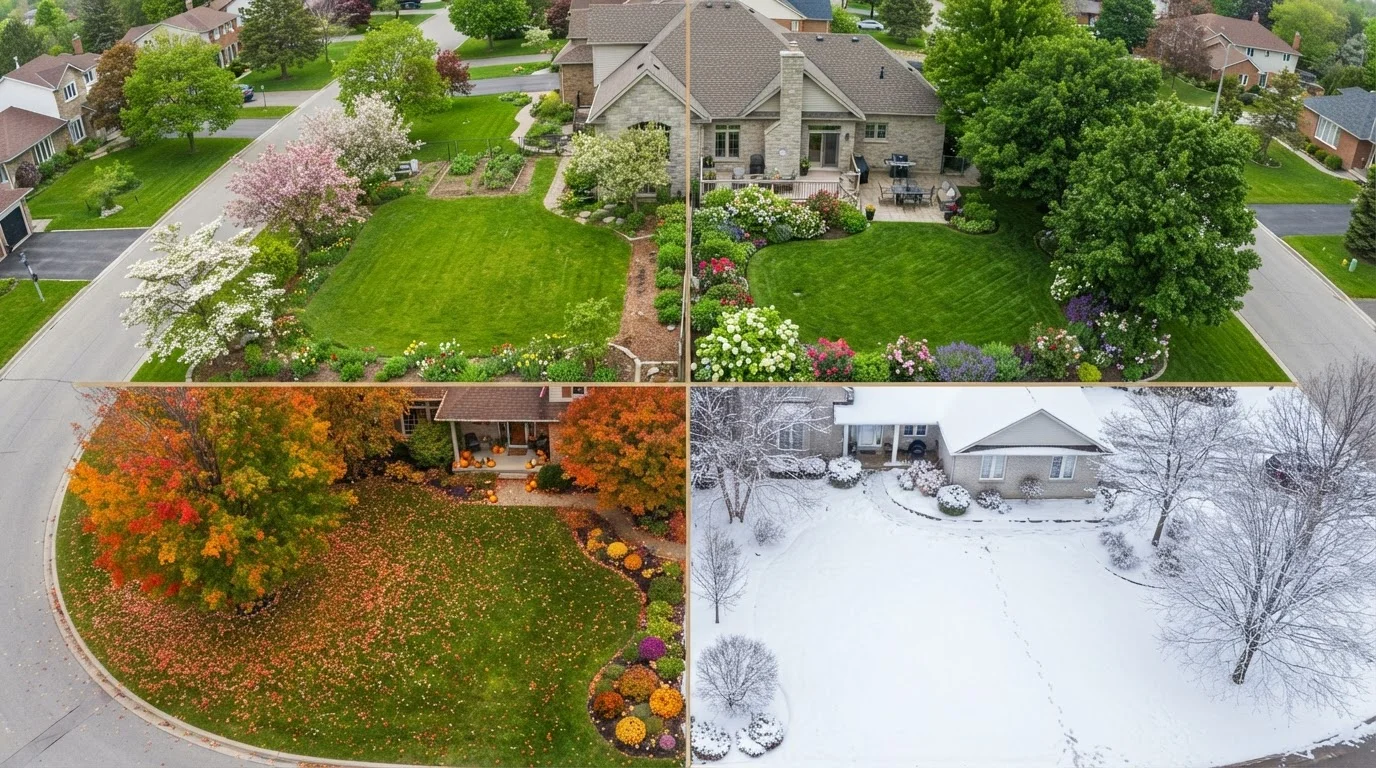
Photo credit: ArticlesHaven.net
In this article
What your lawn needs changes with the seasons. A clear month-by-month reference for fertilizing, aerating, overseeding, and mowing.
Why Timing Is Everything in Lawn Care
A healthy lawn isn't the result of one big effort - it's the payoff from doing the right things at the right times. Fertilize too early and you waste money; aerate at the wrong point in the season and you stress already-weak turf. This calendar cuts through the guesswork so you can match your effort to what your lawn actually needs each season.
The single most important factor before reading any calendar: know your grass type. Cool-season grasses (like tall fescue, Kentucky bluegrass, and perennial ryegrass) thrive in northern states and peak in spring and fall. Warm-season grasses (like Bermuda, zoysia, and St. Augustine) dominate the South and actively grow during summer. Many tasks in this guide apply to both, but timing shifts by four to six weeks depending on which type you have. See Lawn Grass Types Across the US before building your schedule.
Spring (March-May): Wake-Up and Prevention
Spring is your window to set up success - not to jump the gun. Rushing leads to fertilizer burn on dormant turf or pre-emergent herbicides applied too late to work.
- Soil temperature, not calendar date, is your trigger. Apply pre-emergent herbicides when soil reaches 50-55°F consistently - typically when forsythia starts blooming in your area. Pre-emergents block crabgrass seeds from germinating but do nothing once seedlings are up.
- Cool-season lawns: Apply a light fertilizer application (lower nitrogen) once the grass is actively growing, not just green. Overfeeding in early spring pushes excessive blade growth at the expense of root depth.
- Warm-season lawns: Hold off fertilizing until the grass is fully green and actively growing - usually late April to May in most of the South.
- Mowing: Start mowing when grass reaches one-third above your target height. Keep the first few cuts on the higher side to reduce stress.
- Dethatching: If thatch exceeds half an inch, spring is an appropriate time for cool-season grass; wait until early summer for warm-season types.
Identifying spring weeds early helps you decide whether a pre-emergent, post-emergent, or hand-pulling approach makes the most sense.
Summer (June-August): Maintain and Protect
Summer lawn care is mostly about damage control and consistent maintenance - not major interventions.
Cool-Season vs. Warm-Season Summer Rules Differ Sharply
Cool-season grass often goes semi-dormant in summer heat and needs minimal intervention. Warm-season grass is at its peak during this period and benefits from fertilization and active management. Applying cool-season tactics to warm-season turf (or vice versa) during summer is one of the most common mistakes homeowners make.
- Mowing height: Raise your mowing height by half an inch during heat stress. Taller blades shade soil, reduce moisture evaporation, and crowd out weeds.
- Watering: Deep, infrequent watering (roughly one inch per week, including rainfall) encourages deep roots. Shallow, frequent watering keeps roots near the surface, making them vulnerable to drought. Water in the early morning to reduce evaporation and fungal risk.
- Cool-season lawns: Expect summer dormancy - the lawn will turn tan but generally survives. Avoid fertilizing during peak heat; it pushes growth the plant can't support. Water enough to keep it alive if you want it to stay green, or let it go dormant and it will typically recover in fall.
- Warm-season lawns: This is the active growing season. A mid-summer fertilizer application supports growth. Watch for chinch bugs and other summer pests.
- Spot-treat weeds with post-emergent herbicides labeled for your grass type, but avoid applications during extreme heat (above 85°F) - it increases the risk of turf damage.
Fall (September-November): The Most Important Season
For cool-season lawns especially, fall is the single most productive window of the year. Soil is still warm, air is cooler, and grass roots are actively growing downward.
- Aeration: Core aeration in early to mid-fall relieves compaction and opens pathways for water, air, and nutrients. For cool-season grasses, this is the preferred timing. Not every lawn needs aeration - assess compaction first before renting equipment.
- Overseeding: Overseed bare or thin areas immediately after aerating. Soil contact improves germination, and cooler air reduces heat stress on seedlings. Water consistently until seedlings establish.
- Fertilizing: A fall fertilizer application - typically higher in potassium to support root hardening - is the most impactful single fertilizer application of the year for cool-season grass. Apply 6-8 weeks before your average first frost.
- Warm-season lawns: Slow fertilizing as the season winds down. Applying too late into fall can stimulate tender growth that gets killed by frost.
- Leaves: Don't let thick leaf layers mat over turf for weeks. Mulch them with a mower or rake them off - heavy leaf cover blocks sunlight and promotes fungal disease.
Pre-emergent herbicide
A weed control product applied before weed seeds germinate. It creates a barrier in the soil that prevents seedlings from establishing, but has no effect on weeds already growing.
Core aeration
A mechanical process that removes small plugs of soil from the lawn to reduce compaction, improve drainage, and allow air, water, and nutrients to reach grass roots more effectively.
Overseeding
The practice of spreading grass seed over an existing lawn without tearing it up. Used to fill in thin or bare spots and improve turf density over time.
Thatch
A layer of dead and living organic material (stems, roots, debris) that accumulates between the soil surface and green grass blades. Thin thatch is normal; thick thatch blocks water and nutrients.
Dormancy
A survival state in which grass slows or stops growth in response to heat, cold, or drought. Dormant grass typically looks tan or brown but usually recovers when favorable conditions return.
Winter (December-February): Rest and Plan
For most US lawns, winter is a rest period. Active care is minimal, but there are still smart moves to make.
- Stay off dormant turf when possible, particularly when it's frost-covered. Foot traffic on frozen blades causes cell damage that shows up as brown patches in spring.
- Clean and service equipment: Drain fuel from mowers, sharpen blades, and check aerators and spreaders. Sharp blades make a measurable difference in turf health - ragged cuts leave grass vulnerable to disease.
- Warm-season lawns in mild climates: Overseeding with annual ryegrass in early fall gives you green color through winter; it dies back naturally as warm-season grass resumes growth in spring.
- Plan ahead: Review your soil test results (ideally done in fall) and calculate fertilizer needs for the coming year. Lawn care is one component of keeping the whole property in shape - see the seasonal home maintenance calendar for how lawn tasks fit alongside other property upkeep.
50-55°F
Soil temperature that triggers pre-emergent application
Applying pre-emergent herbicides at this soil temperature is widely recommended by university extension programs to block crabgrass germination.
1 inch/week
Weekly watering target for most US lawns
This general guideline accounts for both irrigation and rainfall and supports deeper root development compared to shallow, frequent watering.
6-8 weeks
Lead time for fall fertilizer before first frost
Applying fertilizer within this window before the average first frost allows cool-season grasses to harden roots without pushing vulnerable new blade growth.
If you're planning garden additions around your lawn edges, understanding annual vs. perennial plant cycles helps coordinate planting schedules so your lawn and garden work together rather than competing for resources.

Author
Articles Haven Editorial Contributor
Articles Haven Editorial Team is the collective byline for our editorial team and contributor network. Articles published under this byline or an editorial pen name are researched, written, and reviewed according to our editorial standards for clarity, consistency, and independence before publication.
View all articles →