
Lawn Aeration: What It Does, When It Helps, and When It Doesn't
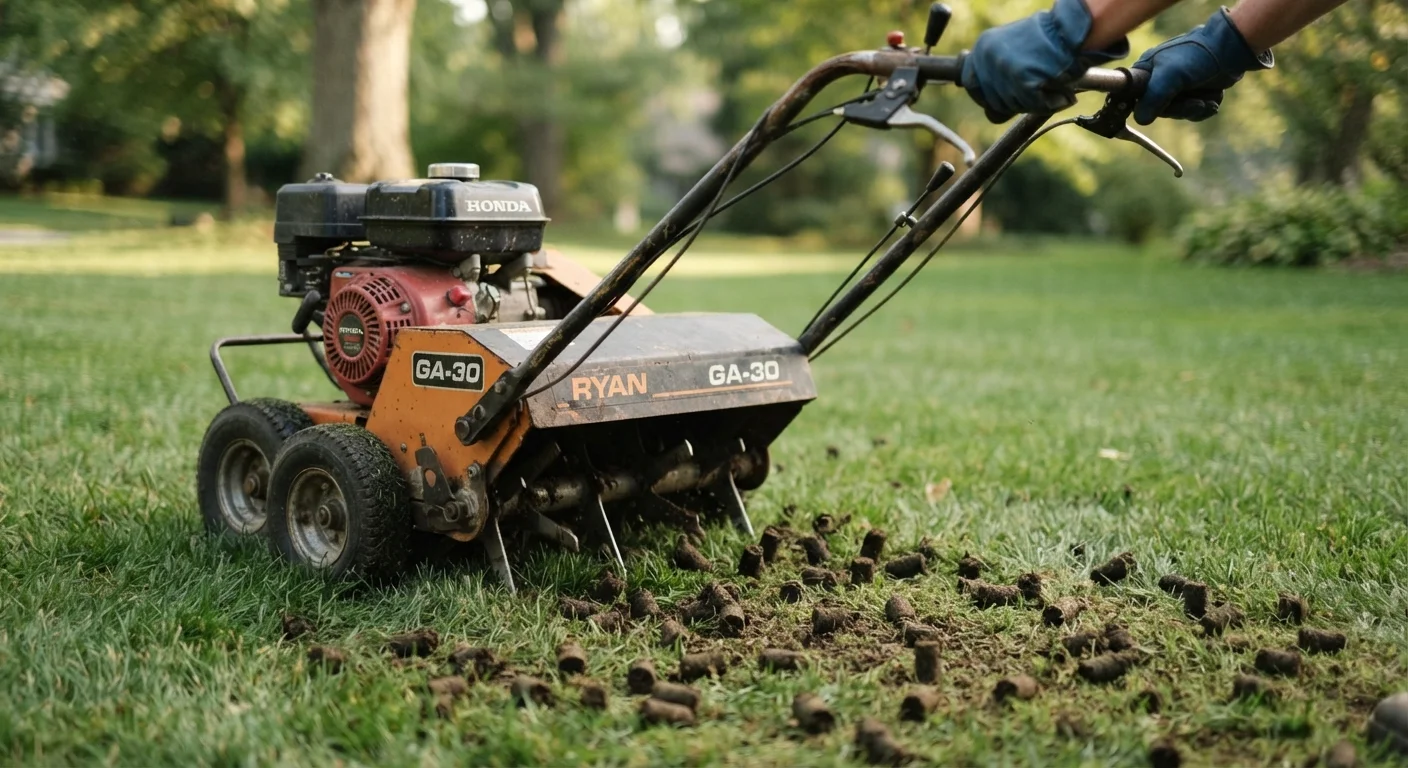
Photo credit: ArticlesHaven.net
In this article
Aeration can transform a compacted lawn—but it's not always necessary. A clear explanation of how it works and how to know if yours needs it.
Key Takeaways
- Aeration works best on lawns with compacted soil or heavy thatch buildup - not every lawn needs it.
- Core aeration (plug removal) is more effective than spike aeration for relieving genuine compaction.
- The best time to aerate is during active grass growth: fall for cool-season grasses, late spring for warm-season varieties.
- Aerating at the wrong time or too frequently can stress grass rather than help it.
- Pairing aeration with overseeding and fertilizing gives the biggest improvement in thin or struggling lawns.
What Aeration Actually Does to Your Soil
Grass roots need three things besides sunlight: water, oxygen, and dissolved nutrients. When soil becomes compacted - packed tight by foot traffic, mower weight, or repeated rainfall - those resources can't move freely through the soil profile. Water pools on the surface or runs off. Roots stay shallow. Grass thins out and struggles against drought and disease.
Core aeration interrupts that cycle by physically removing small cylinders of soil - typically half an inch wide and two to three inches deep - across the lawn. These openings allow the surrounding soil to decompress slightly, and they create direct channels for air and water to penetrate. The extracted plugs left on the surface introduce soil microbes that help break down thatch - the dense layer of dead organic material sitting between living grass blades and the soil.
Aeration Is One Part of a Larger System
Aeration works best as part of a coordinated lawn care routine rather than a standalone fix. Pairing it with overseeding, appropriate fertilization, and seasonal timing amplifies results considerably. For a broader view of how these tasks fit together across the year, the season-by-season lawn care calendar is a useful reference.
Aeration also primes the lawn for overseeding. Seeds dropped into open aeration holes have direct contact with soil and better germination rates than seeds scattered over a packed, thatchy surface. See the season-by-season lawn care calendar for timing guidance on pairing these tasks.
How to Tell If Your Lawn Actually Needs It
Not every lawn needs annual aeration. A simple test: push a screwdriver into the soil. If it penetrates easily to four or five inches, your soil has adequate structure. If you have to force it and it barely reaches two inches, compaction is a real problem worth addressing.
Other signs that point toward aeration being useful:
- Water puddles on the surface after normal rain rather than absorbing within an hour or two
- The lawn feels spongy underfoot - a sign of thatch buildup exceeding half an inch
- Grass looks consistently thin or pale despite regular watering and feeding
- The area gets heavy foot traffic, vehicle weight, or is on clay-heavy soil
On the other hand, lawns with sandy soil, low traffic, and vigorous growth often don't show meaningful improvement from aeration. Aerating them adds effort and cost without proportional benefit.
½ inch
Thatch depth that typically warrants aeration
Lawn care extension guidelines from land-grant universities commonly cite half an inch of thatch as the threshold where aeration and dethatching become beneficial.
2-3 inches
Typical core depth for effective aeration
Most turf management recommendations specify cores of at least two inches to meaningfully relieve compaction in the upper soil profile where most grass roots grow.
1×/year
Recommended aeration frequency for most lawns
University cooperative extension programs across the US generally recommend once-yearly aeration for average residential lawns with moderate use and clay-content soils.
Timing: When to Aerate for Best Results
Aeration timing follows the same logic as most lawn care: work with the grass's natural growth cycle, not against it. Aerating during active growth gives the lawn time to recover and fill in the holes quickly.
- Cool-season grasses (Kentucky bluegrass, fescue, ryegrass): Aerate in early fall - typically late August through October depending on your region. The soil is still warm, growth is active, and the grass has the full cool season to recover before winter dormancy.
- Warm-season grasses (Bermuda, zoysia, St. Augustine): Aerate in late spring to early summer, once the lawn has come out of dormancy and is growing vigorously.
Avoid aerating during heat stress or drought, during dormancy, or immediately before a hard frost. These conditions leave the holes exposed without recovery time, which can worsen turf damage rather than help.
Water Before You Aerate
Aerate when the soil is moist - not saturated. Dry, hard soil resists the tines and results in shallower, less effective cores. If rain hasn't fallen in the past day or two, water the lawn the evening before you plan to aerate. Avoid aerating waterlogged ground, which can compact further under machine weight.
What Aeration Won't Fix
Aeration is a soil management tool - it's not a cure-all for every lawn problem. Understanding its limits helps you avoid wasted effort and focus on what your lawn actually needs.
Aeration will not fix:
- Nutrient deficiencies - If your soil is low in nitrogen, phosphorus, or key trace elements, aeration improves access but doesn't add what isn't there. Consider a soil test before investing in aeration alone. Pairing it with the right soil amendment matters - see when to use compost, mulch, or fertilizer for context.
- Established weed problems - A lawn overtaken by crabgrass or broadleaf weeds needs a targeted weed management strategy. Identifying your specific weeds is a useful first step before deciding on treatment.
- Shade or drainage issues - If grass dies out under a tree or in a low-lying area, aeration won't change the underlying conditions causing the problem.
- Disease or pest damage - Fungal patches and grub damage require targeted intervention, not improved air flow.
“Soil compaction is one of the most common and most overlooked causes of poor turf performance. Aeration is often the right first step - but only after you've confirmed compaction is actually the problem.”
— Turfgrass Extension Specialist, Cooperative Extension Service, Land-Grant University
When used appropriately, aeration is one of the most cost-effective routine lawn maintenance steps available. When used as a fix for something else, it just creates more work.
Frequently Asked Questions

Author
Articles Haven Editorial Contributor
Articles Haven Editorial Team is the collective byline for our editorial team and contributor network. Articles published under this byline or an editorial pen name are researched, written, and reviewed according to our editorial standards for clarity, consistency, and independence before publication.
View all articles →