
The Pros and Cons of Buying a High-Mileage Used Vehicle
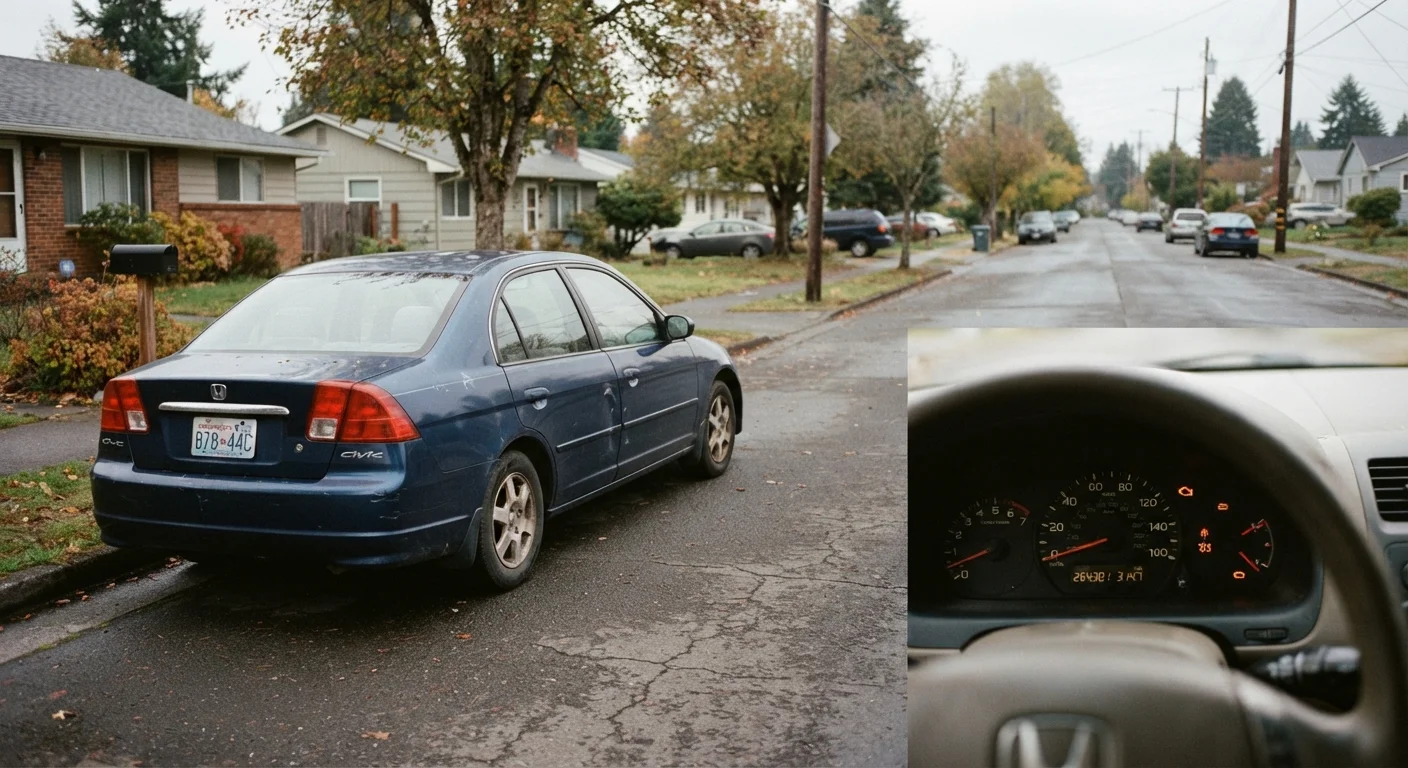
Photo credit: ArticlesHaven.net
In this article
High-mileage cars cost less upfront but carry more uncertainty. Weigh the genuine advantages against the risks before committing.
Key Takeaways
- High-mileage vehicles typically cost less upfront and depreciate more slowly than newer models.
- Repair frequency and costs tend to rise as mileage climbs, especially past 100,000 miles.
- Maintenance history matters more than mileage alone when assessing a vehicle's condition.
- Financing options may be more limited and carry higher interest rates for older, high-mileage vehicles.
- A pre-purchase inspection by a qualified mechanic is especially important for high-mileage purchases.
Significantly lower purchase price
High-mileage vehicles are priced to account for age and added risk, often putting otherwise out-of-reach models within budget for cost-conscious buyers.
Slower depreciation from point of purchase
Most of the steep early depreciation has already occurred, meaning the vehicle's value won't drop as sharply in the years after you buy it.
Lower insurance premiums in most cases
Older, high-mileage vehicles typically carry lower comprehensive and collision premiums because the vehicle's insured value is lower.
Access to models with proven reliability records
At high mileage, long-term reliability data exists for most models - you can research which engines and transmissions have strong track records at 150,000+ miles.
Higher likelihood of near-term repair costs
Wear components accumulate stress over time, and a high-mileage vehicle may need several significant repairs in the years after purchase - costs that can offset the lower sticker price.
Limited or no remaining warranty coverage
Factory warranties have typically expired well before a vehicle reaches high mileage, leaving the buyer fully responsible for repair costs from day one.
Financing may be harder or more expensive
Many lenders restrict loan terms or decline financing entirely for vehicles above certain mileage thresholds, which can force shorter repayment periods and higher monthly payments.
Lower resale value and harder to sell
When it's time to move on, a high-mileage vehicle will appeal to a narrower pool of buyers and command a lower resale price, limiting your flexibility.
What Counts as High Mileage?
There's no universal cutoff, but most industry guidance treats vehicles with 100,000 miles or more as high mileage. Some buyers draw the line at 75,000 miles; others are comfortable at 150,000 if the vehicle has been well maintained. The number on the odometer is one data point - not the whole story.
Modern vehicles, particularly those built in the last two decades, routinely reach 200,000 miles with proper upkeep. What matters as much as the mileage itself is how those miles were accumulated: highway miles are generally easier on a drivetrain than stop-and-go city driving, and a vehicle that received regular oil changes and scheduled maintenance is in a fundamentally different position than one that was neglected.
For a broader comparison of purchase paths, see new, used, or leased options.
The Advantages of Buying High Mileage
The most obvious upside is price. High-mileage vehicles are priced to reflect their age and uncertainty, which means buyers pay significantly less upfront compared to low-mileage alternatives in the same model line. That gap can fund a repair fund, insurance premiums, or simply stay in your pocket.
Significantly lower purchase price
High-mileage vehicles are priced to account for age and added risk, often putting otherwise out-of-reach models within budget for cost-conscious buyers.
Slower depreciation from point of purchase
Most of the steep early depreciation has already occurred, meaning the vehicle's value won't drop as sharply in the years after you buy it.
Lower insurance premiums in most cases
Older, high-mileage vehicles typically carry lower comprehensive and collision premiums because the vehicle's insured value is lower.
Access to models with proven reliability records
At high mileage, long-term reliability data exists for most models - you can research which engines and transmissions have strong track records at 150,000+ miles.
There's also a depreciation argument. New vehicles lose value sharply in the first few years. A high-mileage car has already absorbed most of that depreciation hit, so the rate of value loss from the point of purchase tends to be slower - though resale value will still be limited. For a fuller picture of how mileage shapes ownership economics, see how mileage affects long-term ownership costs.
The Disadvantages You Shouldn't Overlook
The central risk is mechanical uncertainty. Wear-prone components - timing belts, water pumps, transmission internals, suspension bushings - accumulate stress over miles regardless of how well the vehicle was maintained. At high mileage, some of these parts may be approaching or past their typical service life, and replacement costs can run into the thousands.
Higher likelihood of near-term repair costs
Wear components accumulate stress over time, and a high-mileage vehicle may need several significant repairs in the years after purchase - costs that can offset the lower sticker price.
Limited or no remaining warranty coverage
Factory warranties have typically expired well before a vehicle reaches high mileage, leaving the buyer fully responsible for repair costs from day one.
Financing may be harder or more expensive
Many lenders restrict loan terms or decline financing entirely for vehicles above certain mileage thresholds, which can force shorter repayment periods and higher monthly payments.
Lower resale value and harder to sell
When it's time to move on, a high-mileage vehicle will appeal to a narrower pool of buyers and command a lower resale price, limiting your flexibility.
Financing is another friction point. Many lenders impose mileage caps on auto loans, and vehicles that exceed those thresholds may only qualify for shorter loan terms or higher interest rates - or may require cash purchase entirely. Comparing total ownership costs for new vs. used vehicles can help put financing differences in perspective.
Extended Warranties and High-Mileage Vehicles
Third-party extended warranties are often marketed aggressively toward high-mileage used car buyers. Coverage terms, exclusions, and claim processes vary widely between providers, and some contracts exclude the most expensive components. If you're considering one, read the full contract - particularly exclusion clauses - before purchasing, and be cautious of plans sold under high-pressure conditions.
How to Reduce the Risk Before You Buy
The single most valuable step is a pre-purchase inspection by an independent, qualified mechanic - not a shop affiliated with the seller. A thorough inspection can surface hidden issues that a test drive won't reveal: leaks, worn brake components, compression problems, or rust that's more serious than it appears.
Equally important is the vehicle's service history. A complete maintenance record is a meaningful indicator of how the car was treated. Absent records aren't automatically disqualifying, but they shift more uncertainty onto the buyer.
A practical walkthrough of what to inspect before committing covers the key checkpoints in detail. If you're weighing a certified pre-owned option against a standard high-mileage used vehicle, understanding what CPO certification actually covers is worth your time.
~200,000
Miles modern vehicles can reach with proper maintenance
Automotive industry guidance and owner data consistently show that well-maintained vehicles from the last two decades regularly reach or exceed 200,000 miles.
15,000
Average miles driven per year by US drivers
The Federal Highway Administration estimates the average US driver accumulates roughly 15,000 miles annually, a useful baseline for judging whether a vehicle's mileage is typical for its age.

Author
Articles Haven Editorial Contributor
Articles Haven Editorial Team is the collective byline for our editorial team and contributor network. Articles published under this byline or an editorial pen name are researched, written, and reviewed according to our editorial standards for clarity, consistency, and independence before publication.
View all articles →