
New Car vs. Used Car: What the Ownership Costs Actually Look Like
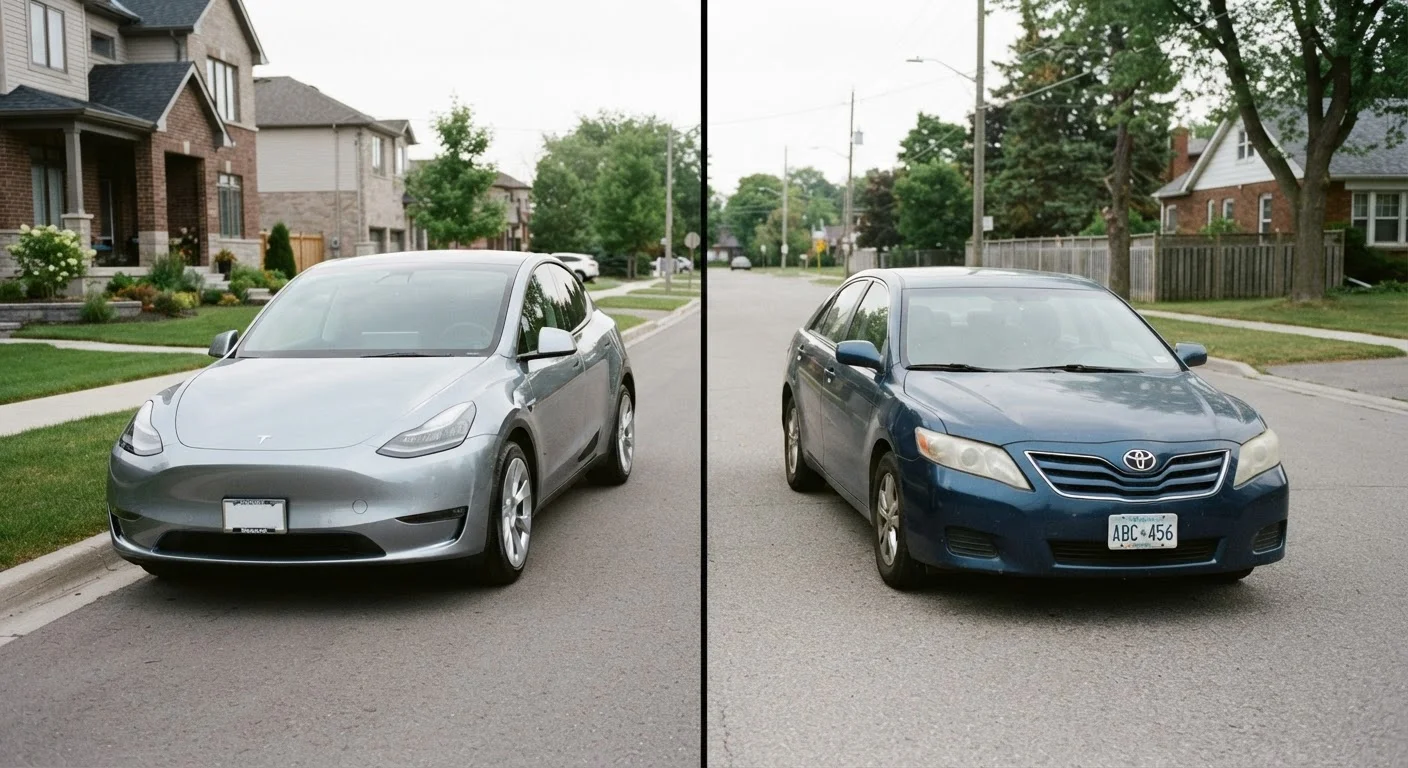
Photo credit: ArticlesHaven.net
In this article
A side-by-side look at how new and used vehicles compare on insurance, maintenance, financing, and total cost of ownership.
Key Takeaways
- New cars depreciate fastest in their first three years, often losing 40-50% of value.
- Used cars typically carry higher interest rates but lower loan balances, affecting total financing cost.
- Insurance premiums are generally higher for new vehicles due to replacement value requirements.
- Maintenance costs on used cars can escalate unpredictably, especially past 60,000 miles.
- Total cost of ownership - not sticker price - is the most accurate basis for comparison.
- Certified pre-owned vehicles offer a middle path with some warranty coverage at a reduced price.
Depreciation: Where the Biggest Gap Opens Up
Depreciation is the single largest cost most vehicle owners never see as a line item - because it shows up only when you sell. New vehicles typically lose somewhere in the range of 15-25% of their value in the first year alone, and can shed 40-50% within three years, though the exact figure varies by make, model, and market conditions.
Used cars have already passed through that steepest curve. A vehicle that is two to four years old has absorbed most of its early depreciation, meaning the owner takes on less residual value loss going forward. For a detailed look at how this math plays out, see how car depreciation works before you sign anything.
The practical implication: if you buy new and sell in three years, depreciation alone can cost more than your total insurance and maintenance combined. If you buy a lightly used vehicle and hold it a similar period, that loss is substantially smaller.
~20%
Average first-year new car depreciation
Industry estimates generally place first-year depreciation for a new vehicle between 15% and 25%, varying by segment and brand.
1-3 pts
Typical rate premium on used car loans
Used vehicle loan rates have historically run 1-3 percentage points above new car rates, according to Federal Reserve consumer credit data.
$10,000+
Potential depreciation loss in year one
On a vehicle priced at $45,000-$50,000, a 20% first-year depreciation translates to roughly $9,000-$10,000 in value lost.
Financing: Rates, Terms, and Total Interest Paid
New cars generally attract lower interest rates from lenders. Manufacturer-backed financing programs can offer promotional rates - sometimes as low as 0% for qualified buyers - that simply are not available on used vehicles. However, the loan balance on a new car is also larger, meaning even a lower rate can produce a significant total interest cost over a five- or six-year loan.
Used car loans typically carry higher rates, often by 1-3 percentage points or more, because lenders view older collateral as higher risk. The loan amount is smaller, which can partially offset the rate difference, but not always. For a side-by-side breakdown of how lender logic differs, financing terms for new vs. used cars explains what changes and why.
| Criterion | New Car | Used Car |
|---|---|---|
| Purchase price | Higher sticker price | Lower sticker price |
| Depreciation rate | Steepest in years 1-3 | Slower, curve already passed |
| Financing interest rate | Generally lower rates | Generally higher rates |
| Loan balance | Larger balance | Smaller balance |
| Insurance premiums | Higher (full coverage required) | Lower; coverage options flexible |
| Warranty coverage | Full factory warranty | Limited or none (CPO varies) |
| Maintenance predictability | High in early years | Lower; repairs less predictable |
| Technology and safety features | Latest standards | Depends on model year |
Insurance Costs: Coverage Requirements and Premiums
Insurance is where new cars carry a consistent cost disadvantage. Lenders financing a new vehicle typically require comprehensive and collision coverage, and the higher replacement value of a new car means the insurer charges more to cover it. Premiums on a new vehicle can run meaningfully higher than on the same model purchased used, even for the same driver.
On an older used vehicle - particularly one owned outright - drivers have the option to drop comprehensive or collision coverage if the car's market value no longer justifies the premium. That flexibility can produce real savings, though it also means the driver absorbs more repair risk. Vehicle age and condition affect insurance pricing in ways that are worth understanding before you finalize a purchase decision.
Note: Insurance costs vary significantly based on your location, driving history, credit profile, and insurer. The general patterns described here are not a guarantee of what any individual will pay. Always get actual quotes before making a vehicle decision.
Maintenance and Repair: Predictability vs. Risk
New vehicles come with manufacturer warranties - typically three years or 36,000 miles for basic coverage, and five years or 60,000 miles for powertrain - that absorb a meaningful portion of early repair costs. Routine maintenance under a new-car schedule is generally limited to oil changes, tire rotations, and fluid checks in the first few years.
Used vehicles, especially those past 60,000 miles, face a broader range of potential costs: timing belts or chains, suspension components, brake systems, and aging sensors are all more likely to need attention. The unpredictability is the real issue - a single repair can easily exceed a year's worth of the premium difference between a new and used vehicle. High-mileage used vehicles carry particular uncertainty worth weighing carefully.
Certified pre-owned (CPO) programs offer a middle path: a used vehicle that has passed an inspection and carries some extended coverage. What CPO certification actually guarantees varies considerably by manufacturer, so read the fine print.
CPO Programs Vary Widely by Manufacturer
A certified pre-owned label from one manufacturer may include a powertrain warranty extension plus roadside assistance, while another brand's program offers far more limited terms. Always read the specific CPO documentation rather than assuming coverage is equivalent across brands. Ask the dealer for the full written terms before treating CPO status as a significant price justification.
Putting It Together: Total Cost of Ownership
No single cost category tells the full story. A genuinely useful comparison adds up purchase price, estimated depreciation loss, financing interest, insurance premiums, fuel, and maintenance over your expected ownership period - then divides by years or miles. That number is your actual cost of ownership, not the sticker price.
For many buyers who keep vehicles five years or more, the gap between new and used narrows considerably once depreciation is factored in. For buyers who trade frequently, the used-car depreciation advantage becomes much more significant. Our guide on evaluating total cost of ownership before choosing a vehicle walks through this math in practical terms.
If you want the full annual picture beyond just new vs. used, the true annual cost of owning a car in the US breaks down what drivers typically spend across all categories. There are also hidden costs buyers consistently underestimate that are easy to overlook until they appear on a repair invoice.

Author
Articles Haven Editorial Contributor
Articles Haven Editorial Team is the collective byline for our editorial team and contributor network. Articles published under this byline or an editorial pen name are researched, written, and reviewed according to our editorial standards for clarity, consistency, and independence before publication.
View all articles →