
Buying a Used Car: What to Inspect Before You Commit
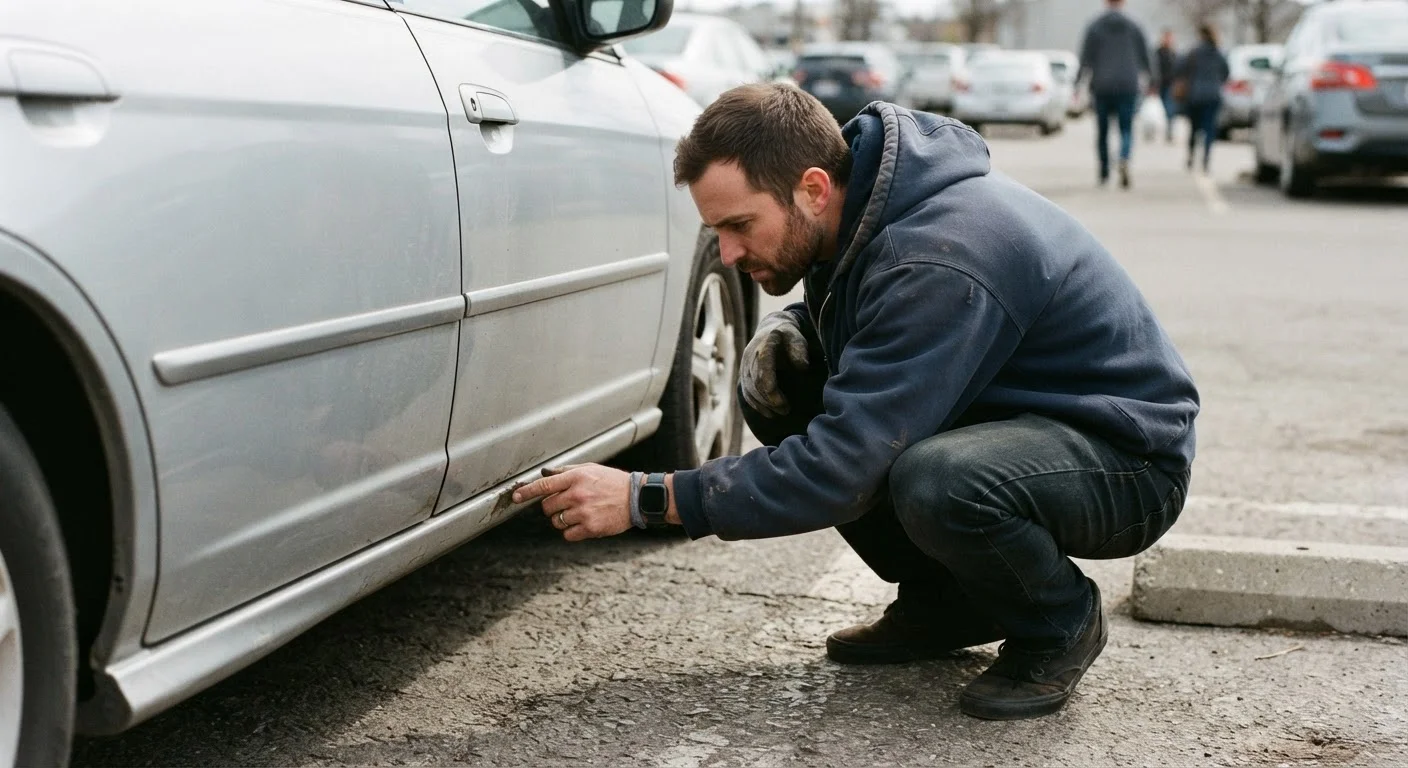
Photo credit: ArticlesHaven.net
In this article
A practical walkthrough of what to look at, listen for, and ask about when evaluating a used vehicle before purchase.
Key Takeaways
- A vehicle history report is a useful starting point, but it cannot reveal everything a physical inspection will catch.
- Rust, fluid leaks, and uneven panel gaps are among the most telling signs of prior damage or deferred maintenance.
- A pre-purchase inspection by an independent mechanic is strongly recommended before finalizing any used car purchase.
- Test driving under varied conditions - city stop-and-go and highway speeds - reveals issues idling in a parking lot won't expose.
- Understanding ongoing ownership costs, including insurance estimates, is part of smart pre-purchase due diligence.
Why Your Own Inspection Still Matters
A used vehicle listing can look pristine online. Photos are selected, descriptions are polished, and a vehicle history report - while genuinely useful - only captures what was formally reported. Accidents handled privately, deferred maintenance, and developing mechanical issues often go undocumented.
That's why showing up in person with a plan matters. This checklist is designed for the average buyer doing a first-pass evaluation - not to replace a professional mechanic, but to help you know what to look at, what questions to ask, and when to walk away before paying for a deeper inspection. For a broader picture of what a trained eye checks under the hood and beneath the frame, see our guide to pre-purchase mechanic inspections.
Before you show up, pull a vehicle history report using the VIN. It won't tell you everything, but it's an important baseline. Our article on what vehicle history reports cover and where they fall short explains how to read that data wisely.
Vehicle History Report (VIN-based)
Pulls reported accident, title, odometer, and ownership data tied to the car's unique identifier.
Flashlight or phone torch
Illuminates wheel wells, the undercarriage, and dark interior corners where damage or rust can hide.
OBD-II diagnostic scanner
Reads any stored or pending error codes from the car's onboard computer - available cheaply or via mechanic.
Tire tread depth gauge
Gives an accurate measurement of remaining tire life rather than relying on a visual estimate.
Notepad or checklist app
Lets you log findings per vehicle when comparing multiple cars on the same day.
The Inspection Checklist
Work through these checks systematically. Bring a flashlight, wear clothes you don't mind kneeling in, and inspect in daylight whenever possible - artificial lighting in a garage or showroom can hide paint imperfections and body damage.
Before You Arrive
Exterior Inspection
Under the Hood
Interior and Electronics
Test Drive
Don't Inspect in a Hurry or in the Dark
Sellers who push for a quick decision or insist you view the car only in a garage or at night are creating conditions where problems go unnoticed. Inspect in daylight, on a dry day, and take the time you need. If a seller won't accommodate a reasonable inspection, that itself is meaningful information.
After the Inspection: Next Steps
If the vehicle passes your visual and test-drive review, the next step before signing anything is an independent pre-purchase inspection (PPI) from a mechanic you choose - not one affiliated with the seller. Expect to pay a modest fee; it's typically far less than the cost of a repair the inspection might prevent.
Also factor in ongoing costs before you commit. Insurance premiums vary significantly by vehicle make, model, year, and trim level. Get at least one insurance quote for the specific car you're considering - not a generic estimate - so there are no surprises after the sale. If you're comparing similar vehicles, our comparison shopping routine can help you evaluate options side by side.
Once you're ready to move forward, make sure you're prepared for the paperwork side of the transaction. Our checklist of what to bring to the dealership covers what you'll need at the sales desk. And if you're considering a vehicle from another state, be aware that title transfers and registration rules vary - review how out-of-state purchases generally work before proceeding.
Always Get an Independent Mechanic Inspection
No self-guided checklist replaces a professional pre-purchase inspection. A licensed mechanic can put the vehicle on a lift, check the frame, test compression, and identify issues that are invisible during a parking-lot walkthrough. This step is especially critical for vehicles with high mileage, an unclear service history, or any red flags you noted during your own review. Do not skip this step to save time or money before a purchase of this size.

Author
Articles Haven Editorial Contributor
Articles Haven Editorial Team is the collective byline for our editorial team and contributor network. Articles published under this byline or an editorial pen name are researched, written, and reviewed according to our editorial standards for clarity, consistency, and independence before publication.
View all articles →