
Pre-Purchase Inspection: What a Mechanic Looks for in a Used Car
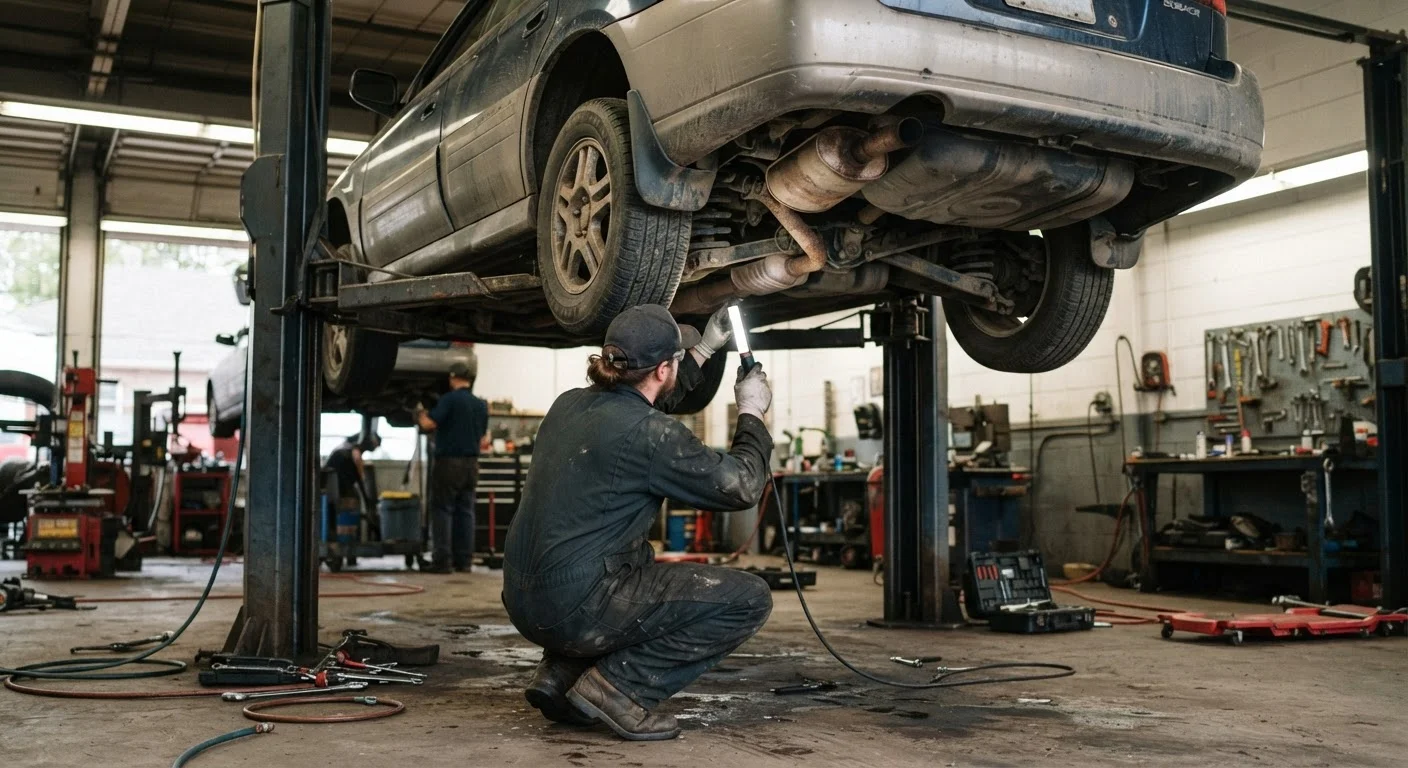
Photo credit: ArticlesHaven.net
In this article
A pre-purchase inspection can reveal hidden problems before you commit. Learn what gets checked and why it's worth the cost.
Key Takeaways
- A PPI typically costs $100-$200 and can reveal problems worth thousands in future repairs.
- The inspection should be performed by a mechanic you choose - not the seller's shop.
- Major systems checked include the engine, transmission, brakes, suspension, tires, and body integrity.
- A clean PPI doesn't guarantee a flawless car, but it significantly reduces your risk.
- Pair a PPI with a vehicle history report for the most complete picture before buying.
- Sellers who refuse to allow an inspection are a notable red flag.
Why an Independent Inspection Matters
When you're evaluating a used vehicle, a test drive tells you how it feels. A vehicle history report tells you what's been documented. But neither tells you what a trained mechanic can see when the car is on a lift with the engine running and every system tested under load.
A pre-purchase inspection (PPI) is an independent mechanical evaluation conducted by a mechanic of your choosing - not the seller's. That independence is the whole point. The mechanic has no incentive to downplay problems, and their job is to report the car's actual condition as accurately as possible.
Sellers who are confident in their vehicle generally have no reason to refuse an inspection. If a seller pushes back, it's worth asking why. See our questions to ask before a test drive for other red flags to surface early in the process.
Arrange the Inspection Yourself
Don't use a shop recommended by the seller. Find an independent mechanic - ideally one certified by the ASE (Automotive Service Excellence) - and schedule the inspection directly. The seller should allow you to transport the car to that shop; if they insist on accompanying it or restrict where you can take it, that's worth noting.
What the Mechanic Actually Checks
A thorough PPI covers the vehicle's major systems. Here's what a qualified mechanic typically evaluates:
- Engine and transmission: Oil condition, fluid levels, signs of leaks, belt and hose condition, and - where applicable - a scan for stored OBD-II fault codes. The transmission is checked for smooth shifts and any unusual behavior under load.
- Brakes: Pad thickness, rotor condition, and brake fluid quality. Worn rotors or low pads have direct safety implications and are common in higher-mileage vehicles.
- Suspension and steering: Ball joints, tie rods, shocks, and struts are inspected for wear or play. Suspension problems can affect handling and tire wear significantly.
- Tires: Tread depth, uneven wear patterns (which can signal alignment or suspension issues), and sidewall condition.
- Undercarriage and frame: Rust, corrosion, frame damage, and evidence of prior accident repairs that may not appear in a history report.
- Electrical systems: Battery condition, lights, HVAC operation, and dashboard warning indicators.
- Body and exterior: Panel gaps, paint overspray, and signs of repainted sections - all potential indicators of prior collision work.
After the inspection, a good mechanic will walk you through their findings and flag which issues are urgent, which are minor, and which warrant monitoring.
$100-$200
Typical PPI cost at an independent shop
Industry estimates from automotive consumer resources consistently place pre-purchase inspections in this range, varying by region and shop.
~40%
Used car buyers who skip an independent inspection
Consumer surveys in the automotive sector suggest a significant share of used car buyers rely solely on a test drive and history report, forgoing a mechanical inspection.
How to Use the Results
A PPI report is a decision-making tool, not a pass/fail grade. Even a solid used car will often show minor wear - that's expected. What you're really looking for is anything that signals deferred maintenance, hidden accident damage, or impending major expense.
If the inspection surfaces issues, you have several options. You can negotiate a lower price that reflects the cost of repairs. You can ask the seller to address specific problems before closing. Or you can walk away entirely, which is a legitimate outcome if the findings are serious enough.
Understanding the mechanic's write-up is important. If the language or cost estimates are unclear, the guide to reading a mechanic's estimate can help you interpret what you're looking at before making any decisions.
Pair the PPI findings with your other due diligence - a history report, a careful visual walkthrough, and your test drive notes. The used car inspection walkthrough covers the buyer-side checks that complement what the mechanic does professionally.
A PPI Has Limits
A pre-purchase inspection evaluates the car's condition at a single point in time. It cannot detect intermittent electrical faults, predict when a component near the end of its service life will fail, or access damage hidden behind panels without disassembly. Treat the results as strong evidence, not a comprehensive guarantee of what the vehicle will do over its next 50,000 miles.
The Cost-Benefit Case for a PPI
A pre-purchase inspection typically runs between $100 and $200 at an independent shop. That's a predictable, upfront cost set against the possibility of buying a vehicle with a failing transmission, a cracked frame, or an engine burning oil. The math generally favors the inspection.
Broader consumer decision-making principles apply here too. The pre-purchase checklist for big-ticket items outlines a structured review process that mirrors what a PPI does for vehicles - create space for evaluation before committing. For used purchases specifically, the due diligence checklist for secondhand purchases provides a useful parallel framework.
The PPI won't catch every possible future problem - no inspection can. But it dramatically narrows the range of unwelcome surprises that come after the title is signed.
Frequently Asked Questions

Author
Articles Haven Editorial Contributor
Articles Haven Editorial Team is the collective byline for our editorial team and contributor network. Articles published under this byline or an editorial pen name are researched, written, and reviewed according to our editorial standards for clarity, consistency, and independence before publication.
View all articles →