
Building a Pre-Purchase Checklist for Big-Ticket Items
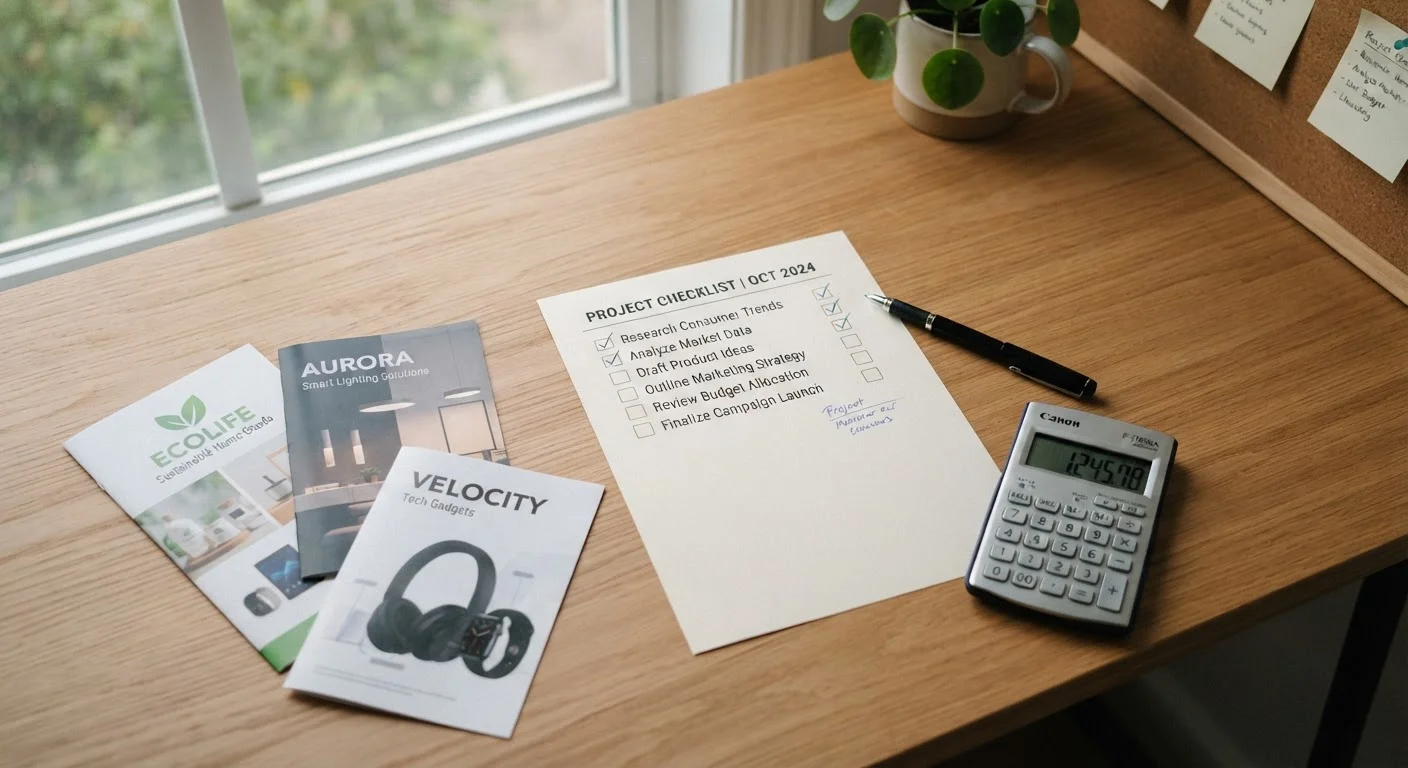
Photo credit: ArticlesHaven.net
In this article
Before spending a significant sum, a structured review process can prevent regret. Here's a step-by-step approach for evaluating major purchases.
Key Takeaways
- A pre-purchase checklist reduces impulse decisions and helps you evaluate any major buy objectively.
- Clarifying your actual need upfront prevents spending on features or capacity you won't use.
- Total cost of ownership - including maintenance, fees, and accessories - often exceeds the sticker price.
- Comparing at least three options and checking return policies protects you financially.
- Sleeping on a decision for 24-48 hours is one of the simplest ways to avoid buyer's remorse.
Why Big-Ticket Purchases Deserve a Structured Process
Spending several hundred to several thousand dollars is a decision with real financial consequences - yet most people spend less time evaluating a major appliance or vehicle than they do choosing a restaurant. The gap between purchase excitement and post-delivery reality is where regret lives. A written checklist closes that gap by forcing evaluation before the emotional high of a transaction takes over.
This process applies broadly: home appliances, electronics, furniture, vehicles, fitness equipment, and anything else where a mistake is expensive to undo. For purchases involving secondhand goods, vehicle inspections, or category-specific considerations, more specialized guides - like the used car inspection walkthrough - layer useful detail on top of this general framework.
What you will need
Tools That Support the Process
You don't need specialized software to run this checklist effectively, but a few simple tools make the comparison and documentation steps faster and more reliable.
Spreadsheet or Note-Taking App
Organize your comparison criteria, costs, and findings across multiple options in one place.
Price History Tool
Check whether a listed price is genuinely competitive or temporarily inflated before a sale.
Consumer Review Aggregator
Read verified owner feedback to surface recurring reliability or quality issues.
If you plan to track prices over time - for seasonal categories or items you're not buying immediately - a personal price-tracking system can help you recognize a genuinely good price when it arrives. The price-tracking guide walks through setting that up without unnecessary complexity.
How to Run the Checklist
Define the actual need
Before researching options, write down exactly what problem you need this purchase to solve. Be specific about required capacity, size, frequency of use, and who will use it. This single step eliminates a large share of impulse purchases because the written need often reveals that an existing item or a much cheaper alternative already qualifies.
Set a total budget - not just a unit price
Establish the maximum you're willing to spend across the full ownership period, not just at checkout. Factor in delivery, installation, accessories, recurring fees, and likely maintenance costs. For vehicle purchases, the car buying hub covers financing and total-cost considerations in detail.
Research at least three comparable options
Limiting research to one option creates anchoring bias - you evaluate everything relative to the first thing you saw. Identify at least three alternatives that meet your stated need, then compare them across the same criteria: core specs, reliability data, warranty length, and availability of parts or service. See the comparison shopping routine for a repeatable research process.
Verify reviews across multiple sources
First-party reviews on a seller's own site are not an unbiased source. Cross-reference with independent owner forums, consumer advocacy publications, and third-party retailers that carry the same category. Look specifically for patterns in negative reviews - a single complaint may be an outlier, but five complaints about the same failure mode is a signal worth taking seriously.
Check return policy, warranty, and service terms
Before finalizing, read the actual return window, restocking fee structure, and warranty exclusions. Note whether warranty service requires shipping the item, visiting a specific location, or scheduling a technician. For used or secondhand items, the secondhand due diligence checklist covers the additional checks required when buying from private sellers.
Run a final pre-checkout verification
Before submitting payment, confirm the price matches what you researched, that no unexpected fees have appeared, and that delivery or pickup timelines meet your needs. The pre-checkout verification checklist is a useful quick-pass resource for this final step.
Total Cost Often Exceeds the Price Tag
Big-ticket items frequently carry ongoing costs that don't appear at the point of sale: installation fees, subscription services, consumables, insurance, and maintenance. Always calculate what you'll spend over a realistic ownership period before committing. A lower sticker price with high ongoing costs can easily surpass a pricier alternative.
Once you've worked through each step, revisit your written need statement from Step 1 and confirm the option you're leaning toward actually satisfies it. If it does - and the budget, reviews, and terms all check out - you have a well-supported basis for moving forward. If any step raised an unresolved concern, that's the checklist doing its job.
Use a Waiting Period Before Committing
After completing your checklist, give yourself at least 24-48 hours before finalizing the purchase. This cooling-off period lets initial excitement settle and surfaces second thoughts that are worth taking seriously. Many consumers report that purchases they delayed felt either clearly justified or clearly unnecessary by the following day.
Common Pitfalls This Process Prevents
Even a brief structured review catches several common buying mistakes:
- Overbuying on capacity or features: Paying for specifications you defined in Step 1 that you don't actually need.
- Anchoring to the first price seen: Step 3 counteracts this directly by requiring multiple comparisons.
- Missing hidden fees: Delivery, haul-away, installation, and extended warranty upsells are often added late in the checkout flow.
- Ignoring serviceability: An item with no local service network or discontinued parts becomes expensive to repair.
Don't Skip the Return and Warranty Review
Return windows on large items are often short - sometimes as few as 15 days - and restocking fees can reach 15-25% of the purchase price. Read the warranty terms before buying, not after. What's covered, for how long, and whether labor is included varies widely.
For purchases that come with paperwork - financing agreements, extended warranties, or trade-in arrangements - consider reviewing the dealership preparation checklist as a reference for what documentation to bring and review before signing. The same document-awareness habits apply across most high-value purchase categories.

Author
Articles Haven Editorial Contributor
Articles Haven Editorial Team is the collective byline for our editorial team and contributor network. Articles published under this byline or an editorial pen name are researched, written, and reviewed according to our editorial standards for clarity, consistency, and independence before publication.
View all articles →