
Questions Worth Asking Before You Test Drive a Used Car
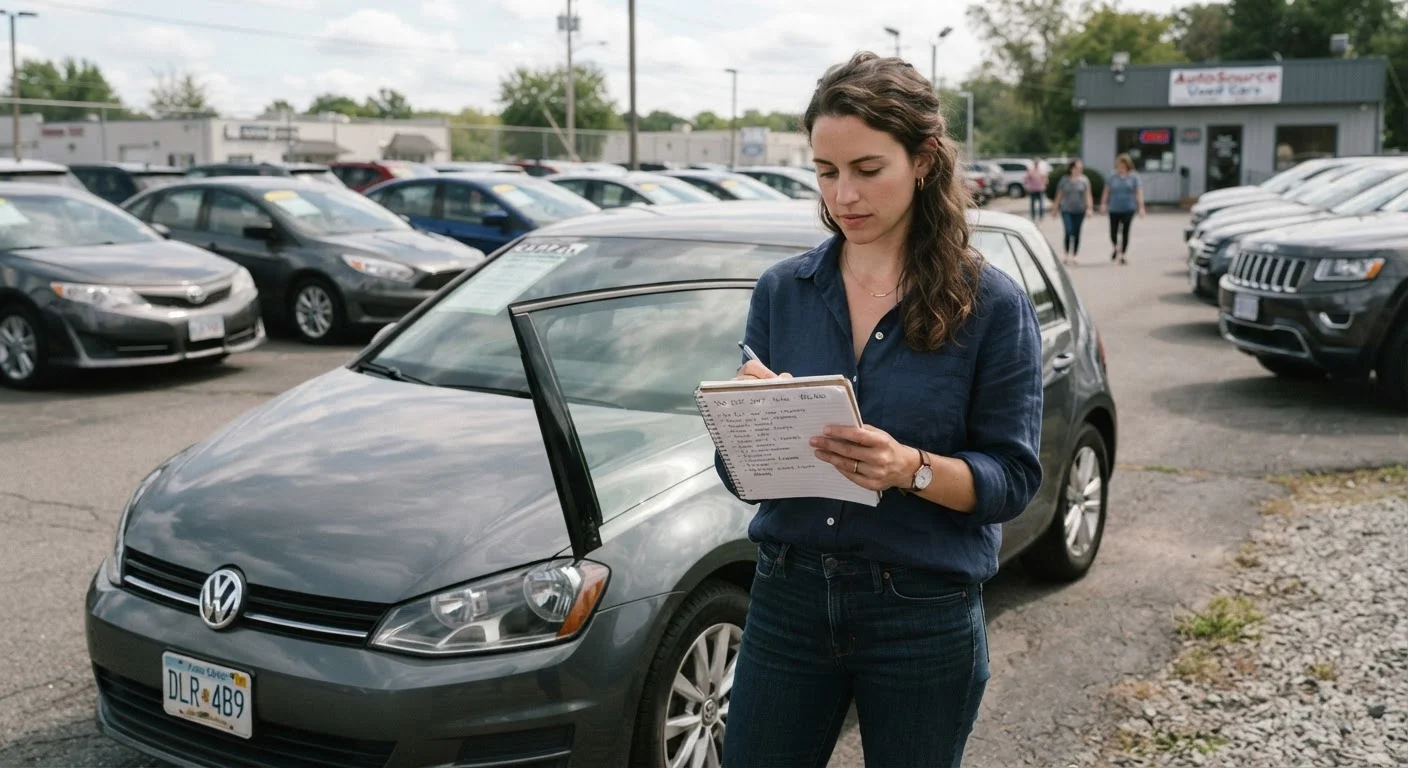
Photo credit: ArticlesHaven.net
The test drive tells you a lot, but the questions you ask before getting behind the wheel matter just as much. Here's what to find out first.
Key Takeaways
- Asking about vehicle history before the test drive prevents wasted time on problem cars.
- Ownership and title status questions protect you from inheriting legal or financial complications.
- Understanding the seller's pricing basis helps you evaluate whether the asking price is reasonable.
- Mechanical and maintenance records reveal how well the vehicle was cared for over time.
- Financing and warranty questions asked early clarify the true total cost of the purchase.
Why the Questions Come Before the Drive
Most buyers show up to a used car viewing focused on the drive itself - how the engine sounds, how the steering feels. That instinct isn't wrong, but it's incomplete. The test drive confirms what you already suspect. The questions you ask before you get behind the wheel determine whether you're even evaluating the right vehicle.
A car can feel perfectly fine on a 10-minute loop around the block and still carry serious problems: a salvage title, unresolved liens, accident repairs done cheaply, or a service history full of gaps. None of that shows up in how it handles a left turn.
This checklist is designed for the conversation that happens before you turn the key - whether you're buying from a private seller, an independent lot, or a franchise dealership. If you're still weighing your purchase path, the comparison between buying new, used, or leasing is worth reading first.
Vehicle History
Ownership and Legal Status
Mechanical and Maintenance
Pricing and Value Basis
Financing and Paperwork
Tools That Help You Prepare
You don't need to walk in relying solely on what the seller tells you. Several resources let you verify information independently - and knowing what they contain helps you frame better questions.
VIN History Report Service (e.g., NMVTIS-affiliated providers)
Retrieves title status, reported accident history, odometer readings, and ownership records tied to a specific vehicle.
Market Valuation Reference (e.g., Kelley Blue Book, Edmunds)
Provides a general fair-market value range for the vehicle based on mileage, condition, and trim level.
State DMV Lien Check
Confirms whether a lien is recorded against the vehicle's title in the relevant state - some states offer this online.
Recall Lookup Tool (NHTSA.gov)
Checks whether any open safety recalls affect the specific vehicle by VIN, using the official federal database.
Seller Reluctance Is a Signal
If a seller is unwilling to share the VIN, produce a title, or answer basic maintenance questions, treat that as a meaningful red flag - not a negotiating quirk. Legitimate sellers generally have straightforward answers to straightforward questions. Hesitation or deflection around title status or lien history in particular warrants serious caution before proceeding.
Once you've worked through your questions and done the test drive, a thorough physical inspection of the vehicle is the logical next step. And if the car clears that stage, consider a professional pre-purchase inspection by a mechanic before any money changes hands. After purchase, make sure you also know what to have in order before leaving the dealership.
Never Skip an Independent Title Check
A vehicle can look and drive well while carrying a salvage or rebuilt title - a status that may affect its insurability, financing eligibility, and resale value. Always run a VIN-based history report from an independent source before visiting, not after. Dealerships and private sellers are not required to volunteer every piece of title history, so verification is your responsibility. Once you've purchased a vehicle with a compromised title, options are limited. For related guidance on insurance implications, see questions worth asking before committing to an insurance policy.

Author
Articles Haven Editorial Contributor
Articles Haven Editorial Team is the collective byline for our editorial team and contributor network. Articles published under this byline or an editorial pen name are researched, written, and reviewed according to our editorial standards for clarity, consistency, and independence before publication.
View all articles →