
Pre-Trip Checklist for First-Time International Travelers
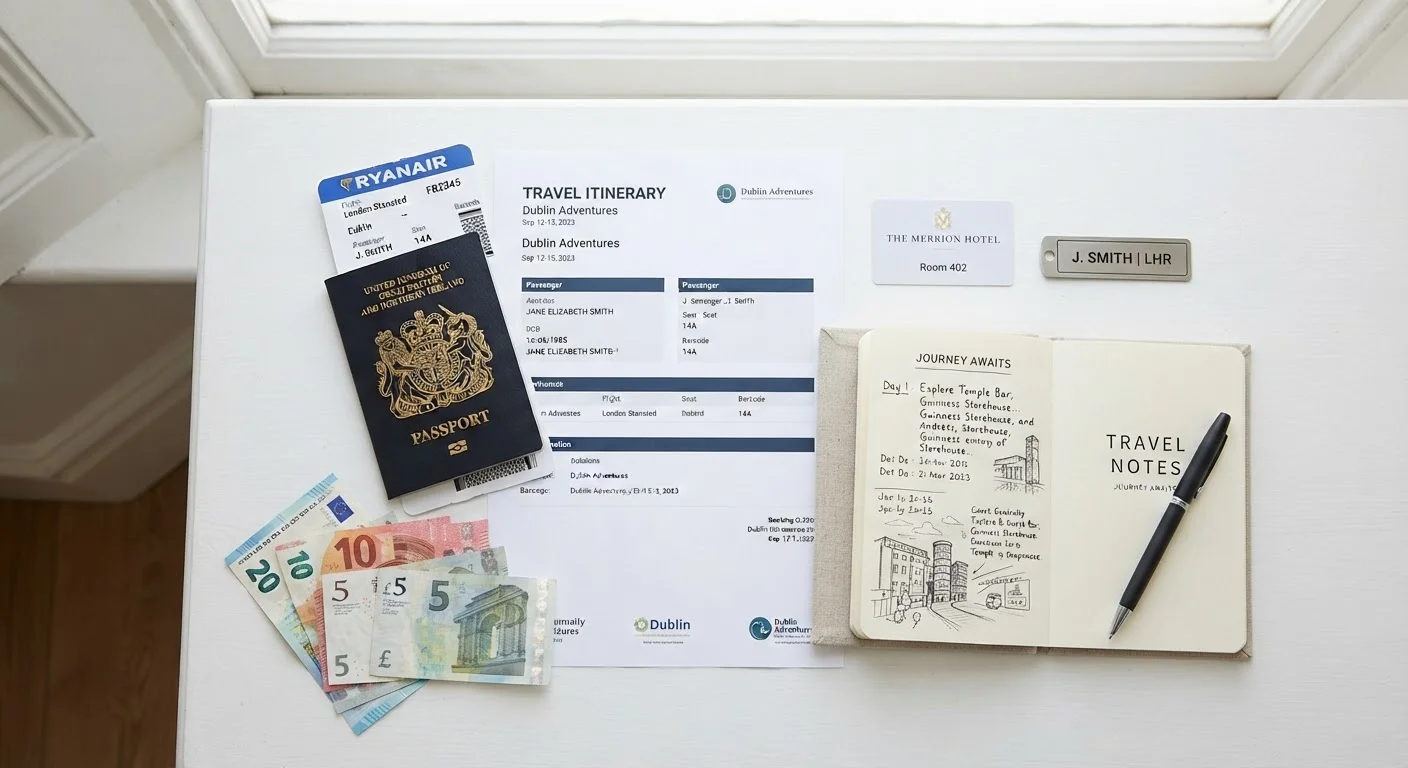
Photo credit: ArticlesHaven.net
In this article
A thorough checklist covering documents, finances, health prep, and logistics so nothing slips through the cracks before you fly.
Key Takeaways
- Your passport must typically be valid for at least six months beyond your travel dates.
- Many destinations require a visa - verify entry requirements well in advance of departure.
- Notify your bank before leaving to avoid blocked transactions abroad.
- Travel health prep, including vaccinations, may need to begin weeks before departure.
- Carry both digital and physical copies of critical documents when crossing borders.
- Travel insurance is an option worth seriously evaluating for international trips.
Why a Checklist Matters Before Your First International Trip
First-time international travel involves layers of logistics that a domestic trip simply doesn't demand - visas, currency exchange, health documentation, customs rules, and more. Missing even one item can derail an itinerary or delay entry at a border. This checklist is designed to surface those details early, so you're not scrambling at the airport or realizing something critical was skipped.
If you haven't booked yet, the first-timer's guide to booking international flights covers what to understand about passport validity, layover rules, and entry requirements before you search for fares.
Work through the categories below roughly in order - some items, especially health-related ones, need to be handled weeks or months in advance.
U.S. Passport & Visa Application Portal
Used to apply for or renew a U.S. passport and find country-specific visa information through official State Department resources.
CDC Travelers' Health Website
Provides destination-specific vaccination recommendations, health notices, and outbreak alerts for international travelers.
STEP (Smart Traveler Enrollment Program)
Free State Department service that registers your trip with the nearest U.S. embassy so they can reach you in an emergency.
Offline Maps App (e.g., Maps.me or Google Maps offline)
Allows you to navigate your destination without relying on a mobile data connection.
International SIM or eSIM Service
Provides affordable mobile data access abroad without incurring steep roaming fees from your home carrier.
Secure Cloud Storage
Used to store digital copies of passport, visa, insurance policy, and booking confirmations accessible from any device.
The Full Pre-Trip Checklist
These items are grouped by category. Tackle documents and entry requirements first, since processing times for passports and visas can be the longest lead-time items on the list. Health and finances can often be addressed in the final few weeks.
Documents & Entry Requirements
Health & Medical Prep
Finances & Money
Insurance & Safety
Logistics & Connectivity
Pre-Departure Home Tasks
Visa and Entry Rules Change - Verify Officially
Visa requirements, entry conditions, and health mandates can change with little notice. Always verify current requirements through your destination country's official embassy or consulate website and the U.S. State Department's travel page - not through third-party travel forums or outdated blog posts. Arriving without proper documentation can result in denied boarding or refused entry.
Health Prep Has a Time Component
Some vaccines require multiple doses given weeks apart to be effective, and certain preventive medications must be started before arrival. Don't leave health prep to the week before departure. Consult a healthcare provider as early as possible - ideally 4-6 weeks out. This article provides general information only and is not a substitute for professional medical advice.
For a deeper look at the specific documents you'll need to carry while abroad, see essential documents to carry when traveling internationally. And if you want to compare what this international checklist differs from a standard domestic pre-departure audit, the complete pre-departure checklist for flights and hotel stays is a useful contrast.
Final Steps Before You Head to the Airport
Once your documents, health prep, and finances are sorted, the last 48-72 hours before departure are about logistics and peace of mind. Confirm your flight status directly with the airline. Double-check that your accommodation booking is confirmed and that you have the address and check-in instructions saved offline - not just in an app that needs signal.
Understanding the difference between a travel itinerary and a booking confirmation is also worth a moment - see the difference between a travel itinerary and a travel confirmation if you're unsure which document serves which purpose at the airport or border.
Packing deserves its own planning session. The packing list essentials by trip type resource breaks down priorities by destination and activity type. And if travel stress is a factor, managing travel anxiety through preparation habits offers practical framing on how preparation itself reduces uncertainty.
Carry Medications in Your Carry-On Only
Checked luggage can be lost, delayed, or misrouted. Always keep prescription medications, critical OTC drugs, and any medical devices in your carry-on bag where they remain accessible throughout the journey. Carry documentation from your prescribing provider if crossing international borders with controlled substances or injectable medications, as customs rules vary by country.
Travelers heading to less familiar regions may also want to review what to know before visiting a developing-world destination for destination-specific considerations around infrastructure and health precautions.

Author
Articles Haven Editorial Contributor
Articles Haven Editorial Team is the collective byline for our editorial team and contributor network. Articles published under this byline or an editorial pen name are researched, written, and reviewed according to our editorial standards for clarity, consistency, and independence before publication.
View all articles →