
What to Know Before Visiting a Developing-World Destination
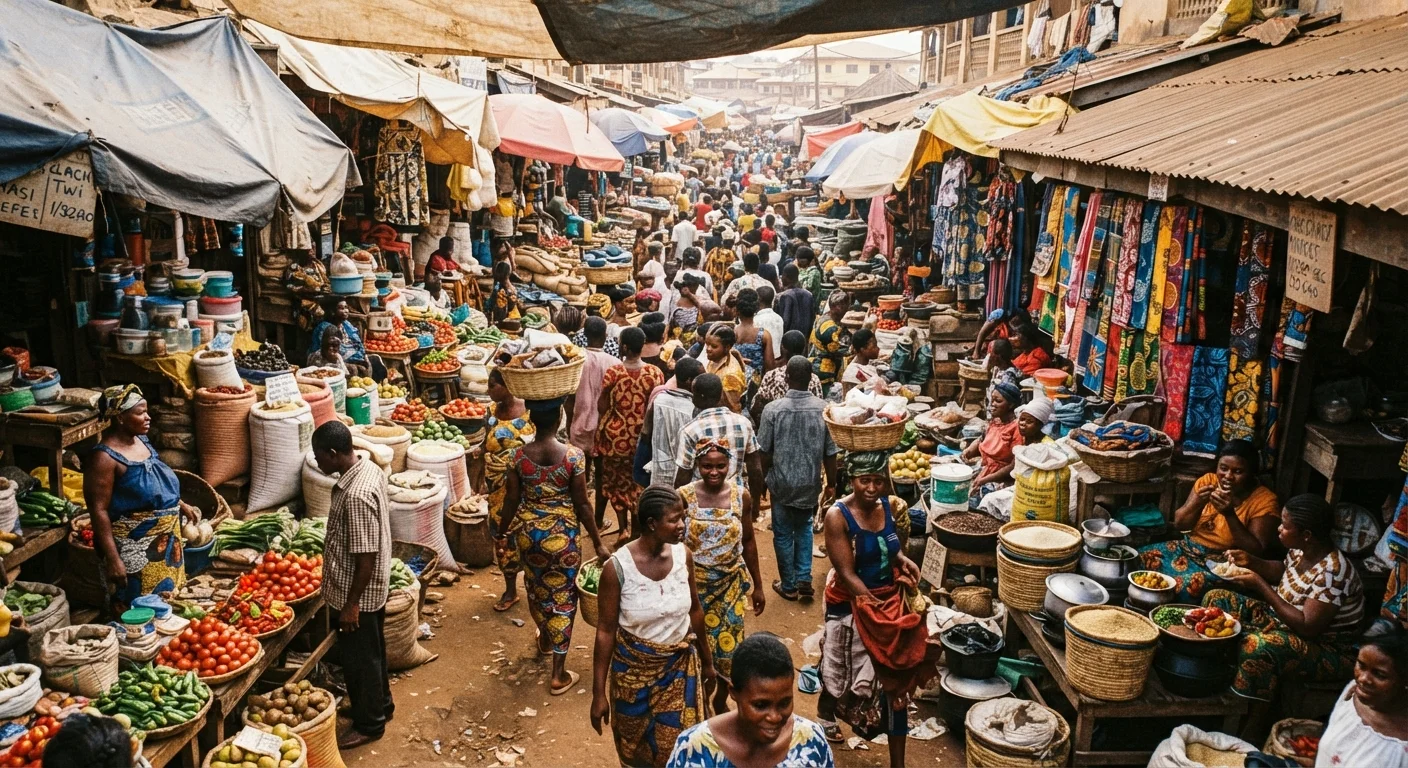
Photo credit: ArticlesHaven.net
In this article
Infrastructure, health precautions, cultural norms, and entry logistics differ significantly. General considerations for travelers venturing beyond familiar regions.
Key Takeaways
- Health preparation - including vaccinations and medications - should begin weeks before departure.
- Entry requirements like visas and health documentation vary widely and can change without much notice.
- Cash is often essential; card infrastructure is unreliable in many developing-world destinations.
- Cultural norms around dress, behavior, and bargaining differ significantly from US expectations.
- Travel advisories from official government sources should be reviewed close to your departure date.
- Infrastructure gaps - roads, water, power, connectivity - affect daily logistics more than in familiar destinations.
Why Developing-World Destinations Require a Different Kind of Prep
Traveling to a lower-income or less-touristed region isn't inherently more dangerous than a trip to Western Europe - but it does require more deliberate preparation. Infrastructure you might take for granted at home (clean tap water, reliable roads, widespread card payment, accessible emergency services) may be limited, inconsistent, or entirely absent depending on where you go.
The planning gaps that cost travelers the most are usually preventable: missed visa deadlines, skipped vaccinations, no travel insurance, or inadequate cash on hand. This checklist is designed to surface those gaps before you're standing at a border crossing or a rural guesthouse with no backup plan.
For a broader look at the full international travel planning process, see our international trip planning walkthrough - it covers passports, health prep, and logistics in structured detail. If you're still weighing whether to go international at all, our domestic vs. international travel comparison breaks down what actually changes when you cross a border.
US State Department Travel Advisories
Provides current safety ratings, entry requirements, and alerts for international destinations.
Smart Traveler Enrollment Program (STEP)
Registers your trip with the nearest US embassy so authorities can contact you in an emergency.
CDC Travelers' Health Portal
Lists destination-specific vaccination recommendations and health notices for international travelers.
Travel Insurance Policy
Covers emergency medical costs, evacuation, trip cancellation, and lost belongings during international travel.
Offline Maps App (e.g., Maps.me or Google Maps offline)
Allows navigation without cellular data in areas with poor or no connectivity.
Water Purification Tablets or Filter
Provides a backup for safe drinking water when bottled water is unavailable or impractical.
How to Use This Checklist
Work through these groups in order - documents and health prep have long lead times and should be addressed first, ideally 6-8 weeks before departure. Financial and logistics items can be handled in the final 2-3 weeks. Cultural research is worth doing throughout, but especially in the week before you leave when your destination feels real and concrete.
Each item is marked must, should, or nice to have - prioritize the musts if you're short on time, but don't treat the others as optional if you have any flexibility.
This Is General Information, Not Medical or Legal Advice
This checklist covers general travel preparation considerations only. Health recommendations - including vaccinations, medications, and food safety - should be discussed with a qualified travel medicine professional before your trip. Entry requirements and advisories should be verified with official government sources, as they vary by destination and change over time.
Documents & Entry Requirements
Health & Vaccinations
Insurance & Financial Safety
Infrastructure & Logistics
Cultural Awareness & Safety
A Few Things Worth Knowing Beyond the Checklist
Some considerations don't fit neatly into a checklist item but matter in practice. Currency logistics, for example, deserve more attention than most travelers give them - our currency and payment prep guide walks through how to handle cash, cards, and exchange rates abroad without getting caught short.
If your destination involves significant altitude - common in parts of South America, East Africa, or South and Southeast Asia - physical acclimatization is a real factor. See how altitude affects your travel experience for what to expect. Travelers carrying prescription medications should also review what to know about traveling with medications before packing.
Finally, rely on primary sources for advisories and entry requirements. The travel advisories and entry requirements explainer covers how these systems work and where to find current, authoritative information.
Don't Rely on Real-Time Research at the Airport
Entry rules, visa-on-arrival eligibility, and health documentation requirements can change quickly in developing-world destinations. If you wait until you're at the gate to verify these, you may face denial of boarding or entry. Always confirm requirements with official government sources and your destination's embassy at least two weeks before departure.
Medical Facilities May Be Very Limited
In many lower-income regions, hospitals and clinics that meet international standards are concentrated in major cities - and sometimes absent entirely outside of them. Emergency medical evacuation can cost tens of thousands of dollars without insurance. Make sure your policy explicitly covers evacuation and treatment abroad, not just trip cancellation.
This article is for general informational purposes only and does not constitute medical, legal, or financial advice. Always consult qualified professionals and verify entry requirements with official government sources before traveling.

Author
Articles Haven Editorial Contributor
Articles Haven Editorial Team is the collective byline for our editorial team and contributor network. Articles published under this byline or an editorial pen name are researched, written, and reviewed according to our editorial standards for clarity, consistency, and independence before publication.
View all articles →