
Essential Documents to Carry When Traveling Internationally
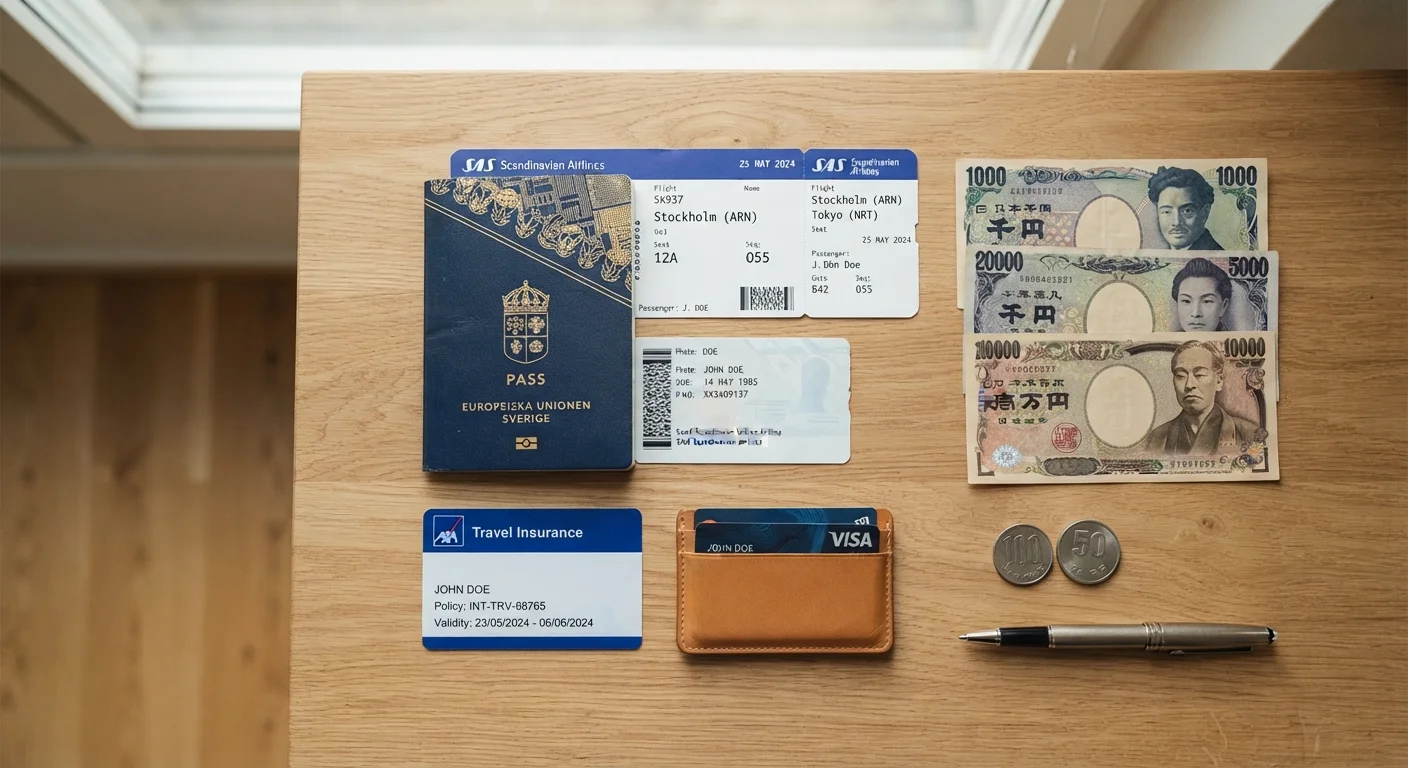
Photo credit: ArticlesHaven.net
In this article
A reference list of the key documents travelers should carry or have digital copies of when crossing international borders.
Why Your Document Checklist Matters More Than You Think
Missing a single document at an international border can mean denied boarding, hours of delays, or being turned back at customs. Unlike domestic travel, crossing international borders involves multiple checkpoints - each with its own requirements that vary by destination, nationality, and purpose of visit.
This reference covers the core documents most US travelers should carry or have accessible, along with notes on when additional paperwork applies. Always verify entry requirements with official government sources or the destination country's embassy before you travel, since rules change and individual circumstances vary.
For a broader look at everything to prepare before you fly, see International Trip Planning: Key Steps Before You Leave the US.
| Passport validity buffer | 6 months beyond travel dates (many countries) (US Department of State, general guidance) |
| Common visa-free destinations for US citizens | Most of Europe (Schengen), UK, Mexico, Japan, and others (US Department of State) |
| IDP issuing organizations (US) | AAA (American Automobile Association) |
| Where to verify entry requirements | US Department of State (travel.state.gov) and destination country embassy |
| Backup document formats recommended | Cloud storage, email, offline phone download, and paper copy left with a contact |
Core Documents Every International Traveler Needs
These are the documents that apply to nearly all international trips, regardless of destination.
Passport
Your US passport is the primary proof of citizenship and identity accepted worldwide. Check the expiration date well before departure - many countries require at least six months of validity beyond your travel dates. Keep a photocopy or digital scan stored separately from the physical document.
Visa or Entry Authorization
Depending on your destination, you may need a visa obtained in advance, an electronic travel authorization (such as Canada's eTA or Australia's ETA), or you may qualify for visa-on-arrival. Requirements depend on your nationality and the purpose of your trip. Check the US Department of State's travel site and the destination country's official immigration portal.
Return or Onward Ticket
Border officials frequently ask for proof that you intend to leave. A printed or digital copy of your return flight itinerary satisfies this in most cases.
Proof of Accommodation
Hotel confirmation numbers, a rental agreement, or a host's contact information may be requested at entry. Having these printed or saved offline is a practical safeguard.
Electronic Travel Authorization (eTA)
A digital pre-entry permission linked to a traveler's passport, required by some countries in lieu of a traditional visa. It is typically applied for online before departure.
International Driving Permit (IDP)
A document that translates your home-country driver's license into multiple languages and is recognized in many countries as supplemental driving authorization.
Onward Ticket
Proof of a confirmed flight or travel arrangement departing the destination country. Border officials use it to verify that a visitor does not intend to overstay.
Visa on Arrival
A visa issued at the port of entry rather than in advance. Eligibility depends on your nationality and the destination country's policies.
Notarized Consent Letter
A legally witnessed document in which a parent or guardian gives written permission for a minor to travel internationally, typically required when a child travels without both parents.
Situational Documents Worth Having Ready
Beyond the essentials, certain trips or circumstances call for additional paperwork.
Travel Insurance Documentation
While rarely required for entry, a copy of your travel insurance policy - including emergency contact numbers and coverage summary - is genuinely useful if a medical issue or trip disruption arises abroad. Keep a digital and physical copy.
International Driving Permit (IDP)
If you plan to drive overseas, many countries require an IDP alongside your US driver's license. IDPs are available through AAA and are not issued by the government directly. Verify requirements for your specific destination.
Vaccination Records or Health Documentation
Some destinations require proof of specific vaccinations (yellow fever is a common example for certain regions). Even where not mandatory, carrying your vaccination record can smooth entry in some situations. Always check current entry health requirements through official sources close to your departure date.
Prescription Medication Documentation
If you're carrying prescription drugs, a letter from your prescribing physician and copies of the prescription can prevent problems at customs. For detailed guidance, see Traveling with Medications: What Domestic and International Travelers Should Know.
Digital vs. Physical: Know the Rules
Some border officials accept digital copies of documents on a phone or tablet; others require originals only. Do not assume a screenshot will substitute for a physical visa or printed confirmation. When in doubt, carry both. Check each destination's specific entry protocols before assuming digital is sufficient.
Minor Travel Consent Letter
If a child is traveling with only one parent or a non-parent guardian, many countries request a notarized consent letter from the absent parent(s). Requirements vary - check the destination's official immigration guidance.
Digital Copies and Backup Strategy
Physical documents can be lost or stolen. A practical backup strategy adds a meaningful layer of security without much effort.
- Cloud storage: Save scans of your passport, visa, insurance card, and itinerary to a secure cloud service you can access from any device.
- Email to yourself: Forwarding key document scans to your email gives you an accessible copy that doesn't depend on a specific app.
- Offline copies: Download files to your phone before departure so you can access them without data or Wi-Fi.
- Emergency contacts: Leave copies of your passport and itinerary with a trusted person at home.
For a comprehensive pre-departure document check, the Pre-Trip Checklist for First-Time International Travelers is a helpful companion resource. You can also fold document prep into a broader trip workflow using the Complete Pre-Departure Checklist for Flights and Hotel Stays.
191
Countries accessible with a US passport
The US passport ranks among the most widely accepted travel documents globally, according to the Henley Passport Index.
6 months
Minimum passport validity required by many destinations
Many countries enforce a six-month validity rule beyond the traveler's departure date from their territory.
This article is for general informational purposes only. Entry requirements, visa rules, and health documentation standards vary by country and change regularly. Always verify current requirements through official government and embassy sources before you travel.

Author
Articles Haven Editorial Contributor
Articles Haven Editorial Team is the collective byline for our editorial team and contributor network. Articles published under this byline or an editorial pen name are researched, written, and reviewed according to our editorial standards for clarity, consistency, and independence before publication.
View all articles →