
Packing List Essentials by Trip Type
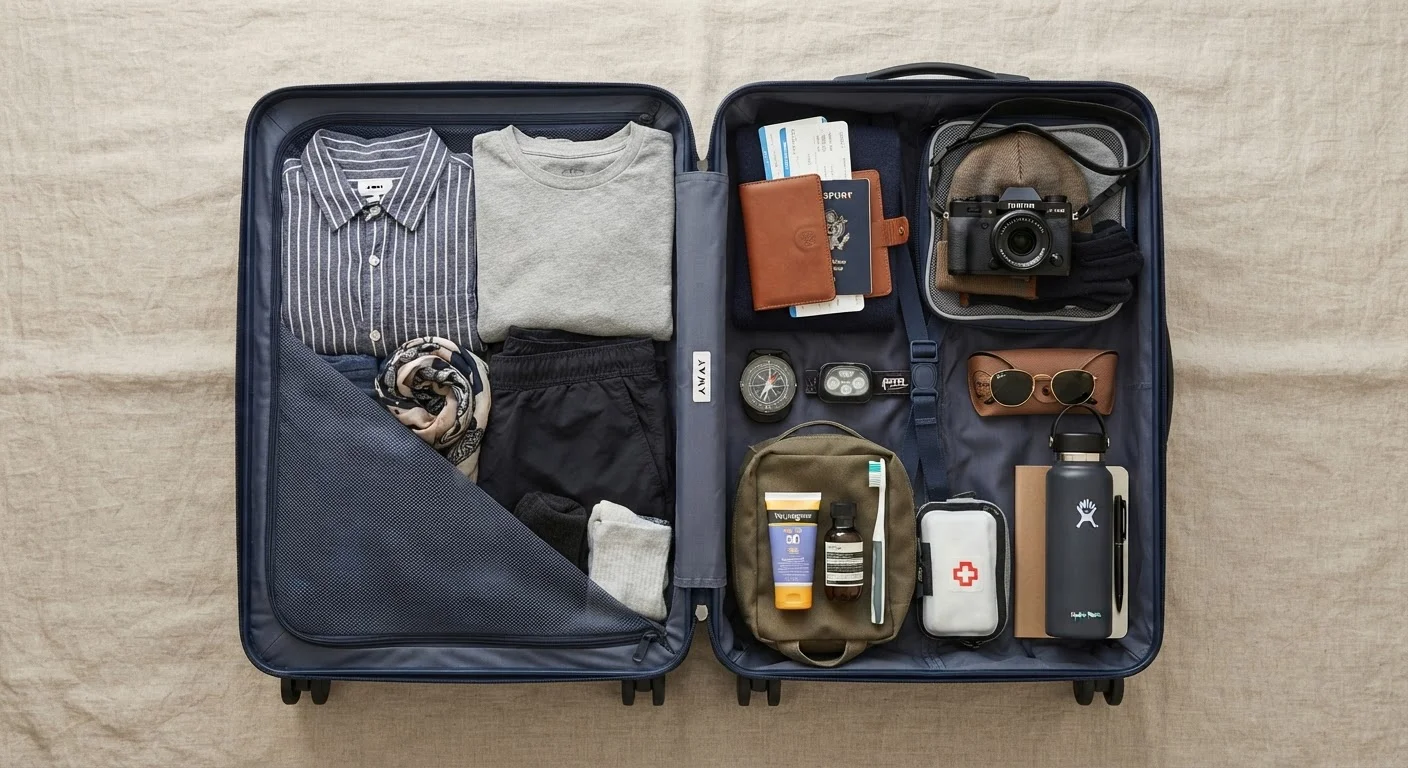
Photo credit: ArticlesHaven.net
In this article
A curated reference of packing priorities for beach trips, city breaks, hiking adventures, winter getaways, and international travel.
Key Takeaways
- Packing by trip type prevents both overpacking and leaving critical items behind.
- Beach, city, hiking, winter, and international trips each have distinct gear priorities.
- A few universal items - documents, medications, chargers - belong on every list regardless of destination.
- Planning your list before opening a suitcase saves time and reduces last-minute panic.
- Layering and versatile clothing reduces volume without sacrificing comfort across most trip types.
Why Your Packing List Should Change With Every Trip
Most packing mistakes don't happen because travelers are careless - they happen because people reach for the same default list every time, regardless of where they're actually going. A city break in Chicago has almost nothing in common with a week of hiking in Colorado or a beach holiday in Florida, yet many travelers pack as if the checklist is universal.
The smarter approach is to let the trip type drive the list. That means thinking about your environment, your likely activities, and the specific problems you'll need to solve - blisters, sunburn, currency conversion, cold snaps - before you ever unzip a bag. For a deeper look at fitting everything into one bag regardless of destination, see The Carry-On Packing Framework Frequent Travelers Swear By.
Below are five common trip types, each with a focused breakdown of what actually matters to pack - and what you can safely leave out.
Beach Trip
Sun, sand, and saltwater create a specific set of needs that everyday luggage rarely accounts for. The core categories: sun protection, swimwear, and footwear that handles both shore and dinner.
- Sun protection: Broad-spectrum sunscreen (multiple bottles for longer trips), SPF lip balm, UV-blocking sunglasses, and a wide-brim hat.
- Swimwear: Pack at least two suits - one to wear while the other dries. A mesh bag for wet gear keeps everything else dry.
- Footwear: Flip-flops for the beach, a pair of casual sandals or sneakers for evenings out.
- Cover-ups and light layers: A linen shirt or sarong doubles as beach cover and a light layer for air-conditioned restaurants.
- Waterproof phone pouch: Inexpensive and consistently useful at the shore or on water activities.
Skip: Heavy denim, formal shoes, or excessive electronics that don't tolerate sand or humidity well.
Pack two swimsuits - one to wear while the other dries.
City Break
Urban trips are about flexibility - you'll be walking, dining, possibly working, and navigating public transit. The priority is clothing that transitions from day to evening without a full outfit change.
- Versatile clothing: Neutral-colored layers that mix and match. A mid-layer jacket covers cool mornings and chilly restaurants.
- Comfortable walking shoes: The single most important item for a city trip. Prioritize broken-in, cushioned footwear over style.
- Day bag: A compact crossbody or packable backpack for carrying daily essentials without checking into the hotel mid-day.
- Portable charger: Navigation, translation apps, and photography drain batteries fast.
- Transit card or small cash wallet: Many urban transit systems use dedicated cards; research before you arrive.
Skip: Bulky luggage that won't fit in tight restaurant aisles, lockers, or compact hotel rooms.
Comfortable, broken-in walking shoes matter more than almost anything else on a city trip.
Hiking or Outdoor Adventure
Outdoor trips punish poor gear choices immediately. Weight, moisture management, and foot care are the dominant concerns.
- Moisture-wicking base layers: Cotton holds sweat against skin; synthetic or merino wool fabrics dry faster and regulate temperature better.
- Broken-in hiking boots or trail shoes: Never debut new footwear on a trail. Break them in over several weeks beforehand.
- Blister prevention kit: Moleskin, athletic tape, and a small pair of scissors have saved many trips from misery.
- Hydration system: A reusable water bottle or hydration reservoir with enough capacity for the day's longest stretch.
- Navigation backup: A downloaded offline map and, for remote areas, a physical trail map or GPS device.
- Rain layer: A packable waterproof jacket takes up minimal space and is essential when weather changes quickly at elevation.
Skip: Casual sneakers on technical terrain, excessive gadgets, or clothing that's heavy when wet.
Never debut new hiking boots on the trail - break them in weeks before your trip.
Winter Getaway
Cold-weather packing is primarily a layering problem. The temptation is to pack bulky items; the smarter move is to build a layering system that handles a range of temperatures.
- Base layer: Thermal or merino wool underlayers trap body heat without bulk.
- Mid layer: A fleece or down vest adds significant warmth at relatively low weight and volume.
- Outer shell: A waterproof, wind-resistant jacket rated for the coldest expected temperatures.
- Extremities gear: Insulated gloves, a warm hat, and wool or thermal socks. Frostbite risk rises fast when hands and feet aren't adequately covered.
- Grip footwear: Snow and ice demand soles with real traction. Check whether your destination is likely to have icy surfaces and pack accordingly.
Skip: Overly bulky single-layer coats that can't adapt to varying indoor and outdoor temperatures throughout the day.
A layering system outperforms a single heavy coat for winter trips in almost every condition.
International Travel
Crossing borders adds a documentation and logistics layer that domestic trips don't require. Before worrying about clothing, nail the paperwork.
- Travel documents: Passport with at least six months of validity beyond your return date, visa documentation if required, and printed copies stored separately from originals.
- Power adapters: Outlet types vary by country. A universal multi-adapter covers most destinations.
- Medications and prescriptions: Carry in original labeled containers with a copy of the prescription. Some medications legal at home are controlled substances abroad - verify before you travel.
- Notify your bank: This isn't a packing item but it belongs in the same pre-departure window. Unexpected card freezes abroad are a common, preventable problem.
- Clothing matched to local norms: Research dress expectations at your destination, particularly for religious sites, rural areas, or conservative regions where specific attire is required or respectful.
For a full pre-departure walkthrough, The Carry-On Packing Framework Frequent Travelers Swear By and The Complete Pre-Departure Checklist for Flights and Hotel Stays are worth reviewing together.
Passport validity, visa requirements, and power adapters deserve attention before any clothing decision.
Before You Zip Up: A Few Universal Rules
No matter which trip type applies to you, a handful of items belong on every list: government-issued ID or passport, any prescription medications in original packaging, a phone charger and adapter if needed, and at least one physical copy of key reservation details. These are the things whose absence can derail a trip entirely.
Build a Reusable Master List
Keep a running notes file or spreadsheet with your universal must-haves and category-specific items for each trip type. Before every trip, copy the relevant section and adjust for duration and climate. This prevents you from reinventing the list each time and ensures nothing critical slips through. If you're aiming to pack light, Packing for a Two-Week Trip Without Checking a Bag offers concrete strategies for condensing even longer trips into a single carry-on.
If you're heading abroad, the logistics multiply quickly. Pre-Trip Checklist for First-Time International Travelers covers documents, health prep, and financial logistics in detail. And if you're still working out your overall travel budget, The Essentials of Trip Budgeting for Casual Travelers is a useful companion.
Entry Requirements Change - Always Verify
Visa requirements, vaccination rules, and customs restrictions vary by destination and can change without much advance notice. This article provides general packing guidance only. Before international travel, always check current entry requirements directly with the destination country's official government sources and your own government's travel advisory page. Do not rely on third-party summaries for entry-critical information.
When in doubt, do a quick test pack two days before departure. Lay everything out, then remove anything you haven't used on a comparable recent trip. Most travelers find they can cut 20-30% without any real sacrifice.

Author
Articles Haven Editorial Contributor
Articles Haven Editorial Team is the collective byline for our editorial team and contributor network. Articles published under this byline or an editorial pen name are researched, written, and reviewed according to our editorial standards for clarity, consistency, and independence before publication.
View all articles →