
Why Your Seat Assignment Isn't Guaranteed Until You're on the Plane
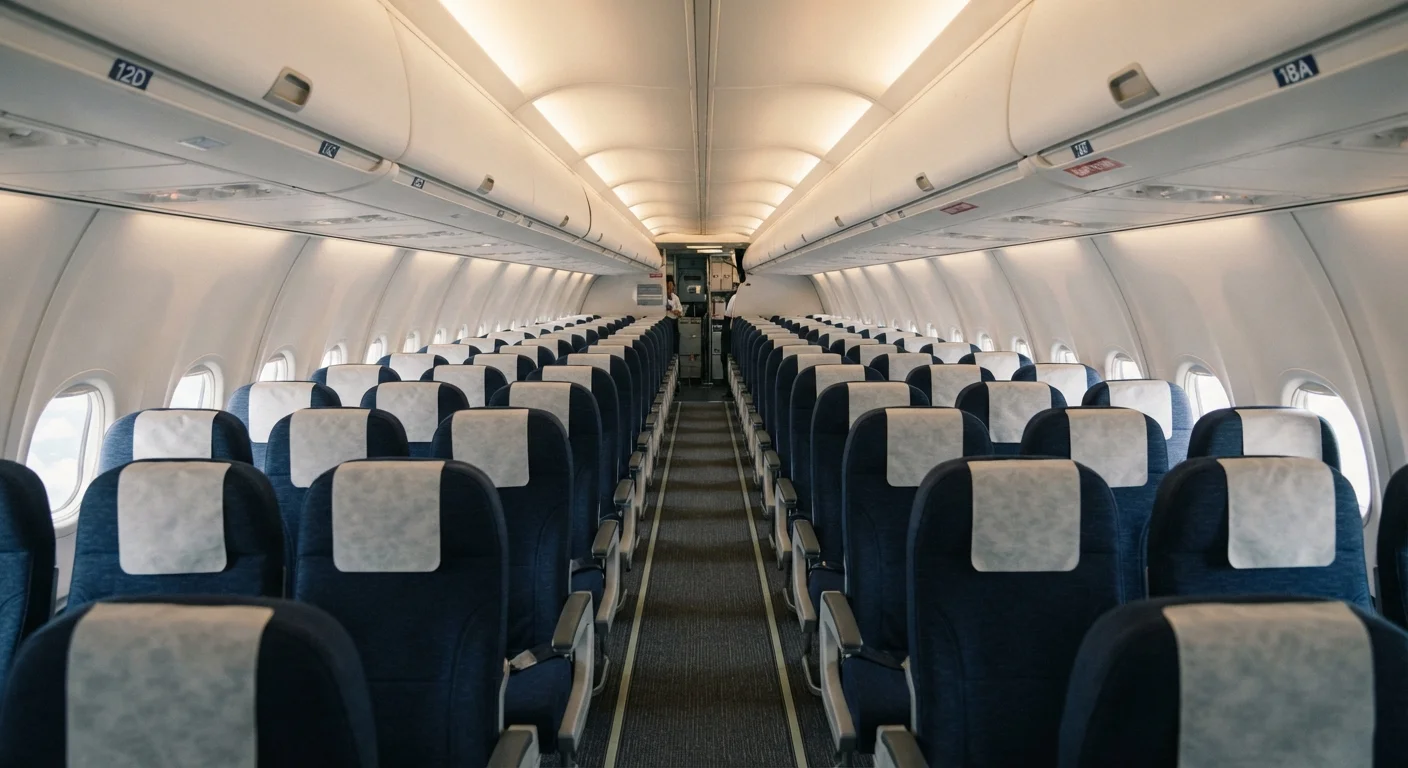
Photo credit: ArticlesHaven.net
In this article
Equipment swaps, oversales, and operational changes can move your seat. Here's what to understand about seat assignment stability.
Key Takeaways
- A seat assignment is a preference notation, not a guaranteed contract for that specific seat.
- Equipment swaps are one of the most common reasons seat assignments change before boarding.
- Overselling and operational reshuffling can affect seat availability even after check-in.
- Passengers with elite status, early check-in, or accessible seating needs tend to receive priority when reassignments happen.
- Fees paid for seat upgrades should generally be refunded if the airline moves you to a different seat.
What 'Confirmed Seat' Actually Means
When you select a seat during booking, the airline records your preference in its reservation system. That notation is called a seat assignment, and while it carries real weight in normal circumstances, it is not an ironclad guarantee. Airlines' conditions of carriage - the legal terms governing your ticket - explicitly state that the carrier's obligation is to transport you between two points, not to place you in seat 14C specifically.
This distinction matters practically. Think of a seat assignment as a strong default rather than a locked-in contract. Under most conditions, you'll sit exactly where you chose. But a handful of operational triggers can override that assignment, sometimes as late as boarding.
Seat Fees Are Not Always Non-Refundable
Many travelers assume any extra fee paid is gone if plans change. That's not always true for seat selection fees specifically. If the airline fails to deliver the seat type you paid for - due to an equipment swap or reassignment - a refund of that fee is generally warranted. Keep your booking confirmation showing the original seat type and any associated charge.
Conditions of Carriage Vary by Carrier
Every airline publishes its own conditions of carriage, and the specifics - including how seat reassignments are handled and what compensation applies - differ between carriers. Before a trip, it's worth spending five minutes reviewing your carrier's policy, particularly if you have paid for a premium seat or have special seating needs.
For a broader look at how pricing tiers and seat inventory interact, see how airline pricing works - understanding fare classes adds useful context for why certain seats are treated differently during reassignment.
The Main Reasons Seat Assignments Change
Several distinct operational scenarios can push your seat assignment aside:
- Equipment swaps. Airlines sometimes substitute a different aircraft model when a plane goes out of service for maintenance or scheduling reasons. If the replacement aircraft has a different cabin configuration - fewer rows, different seat widths, or repositioned exit rows - the airline must re-map every passenger to the new layout. Your original seat may simply not exist on the new plane.
- Overselling. Airlines routinely sell more tickets than seats, anticipating no-shows. When more passengers show up than expected, someone gets moved. Understanding how overbooking works and what U.S. passengers are entitled to can help you know your options if this happens.
- Weight and balance requirements. On smaller regional aircraft especially, load distribution affects flight safety. Agents may need to move passengers to balance the cabin, overriding pre-selected seats.
- FAA and safety rules. Exit row seats require passengers to meet specific criteria (able-bodied, English-proficient, willing to assist). If you're reassigned to an exit row - or removed from one - it's often for compliance reasons.
~8-10%
Typical airline overbooking rate on domestic US routes
Industry estimates suggest many U.S. carriers routinely oversell flights by this margin, anticipating no-show rates based on historical data.
48 hrs
When most equipment swaps become visible in booking systems
Travel industry observers note that aircraft substitutions are most commonly logged in reservation systems one to two days before departure, making that the key window to monitor your seat.
Who Gets Priority When Reassignments Happen
Airline reassignment decisions aren't random. Carriers generally apply a hierarchy when they need to move passengers around:
- Frequent flyer elite status - higher-tier members are typically last to be reassigned and first to receive better alternatives.
- Check-in timing - passengers who haven't yet checked in when a reshuffling happens face more exposure than those already checked in.
- Accessible seating needs - passengers who requested disability accommodations generally retain protected seating under DOT accessibility rules.
- Unaccompanied minors and families with young children - many carriers have policies (even if not legally mandated) to keep families together.
If you have specific seating needs - medical, mobility, or family-related - note them explicitly in your reservation and contact the airline directly. Verbal or written documentation of a legitimate need gives gate agents a clear reason to prioritize you.
Check In as Early as Possible
Most U.S. airlines open online check-in 24 hours before departure. Completing check-in at that window places you earlier in the airline's queue for seat protection during oversale or reshuffle scenarios. It takes about two minutes and meaningfully reduces your exposure to involuntary reassignment.
What to Do If Your Seat Changes
Discovering a seat change in the app the morning of your flight, or at the gate, is frustrating but manageable with the right approach:
- Check your reservation 24-48 hours before departure. Equipment swaps often happen a day or two out. Catching the change early gives you more options than finding out at boarding.
- Contact the airline promptly. Phone or app chat before you reach the airport typically offers more availability than a gate conversation with a pressured agent.
- Ask for a fee refund if your seat type changed. If you paid for extra legroom or a premium economy seat and were reassigned to a standard seat, the airline should refund the seat fee. Document this at the gate if needed and follow up in writing.
- Stay calm with gate agents. They rarely control why a change happened - they're managing the fallout. A polite, clear request often yields better results than frustration.
Also keep in mind that seat shuffles are sometimes a downstream effect of larger disruption. If your itinerary involves connections, common mistakes travelers make with connecting itineraries covers how disruptions compound across legs - worth understanding before you travel.
Frequently Asked Questions

Author
Articles Haven Editorial Contributor
Articles Haven Editorial Team is the collective byline for our editorial team and contributor network. Articles published under this byline or an editorial pen name are researched, written, and reviewed according to our editorial standards for clarity, consistency, and independence before publication.
View all articles →