
How Airline Pricing Works (And Why the Same Seat Has a Dozen Prices)
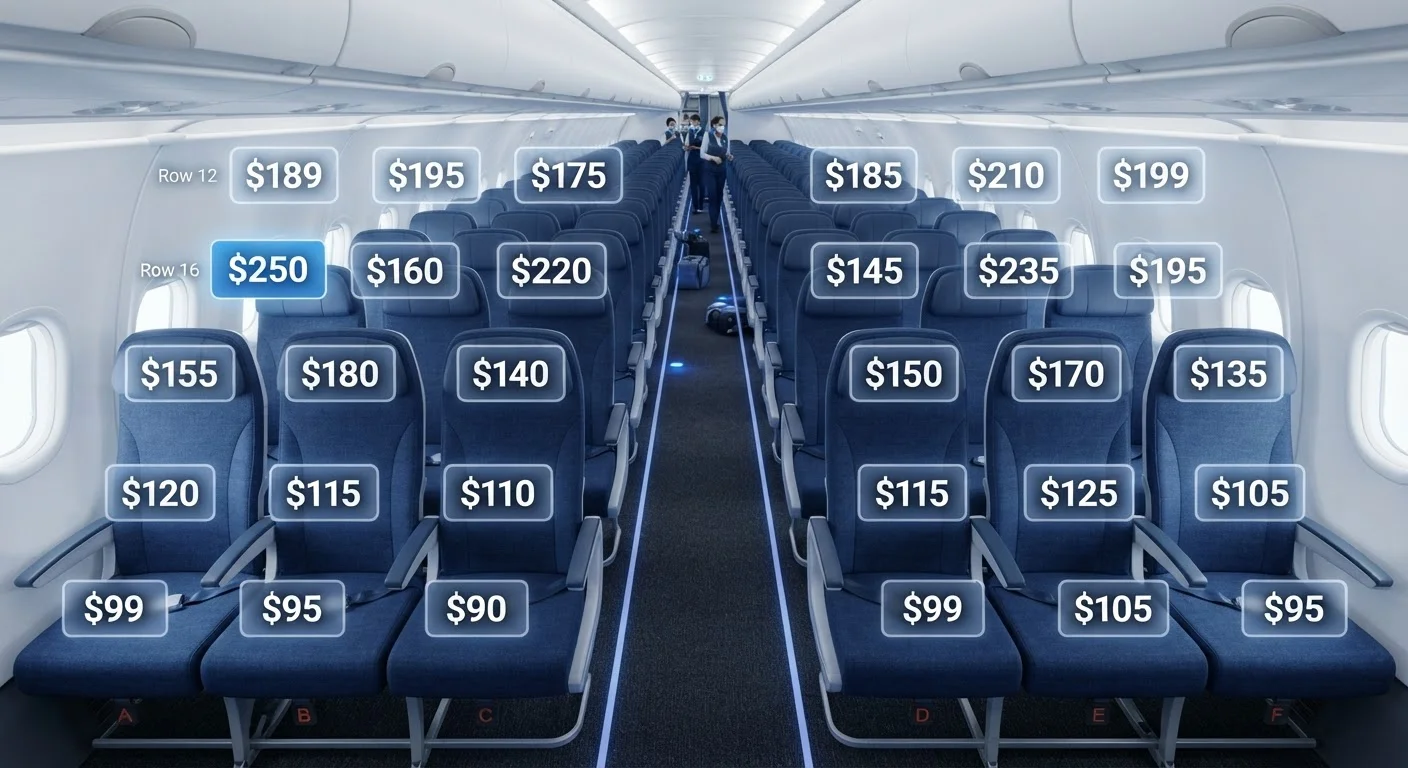
Photo credit: ArticlesHaven.net
In this article
Dynamic pricing, fare classes, and seat inventory explained so you can make sense of fluctuating flight costs.
Key Takeaways
- Airlines divide seats into fare classes (buckets) that each carry a different price and set of rules.
- Prices fluctuate based on remaining inventory, demand forecasts, and time to departure.
- The same physical seat can legitimately have many different prices on the same flight.
- Understanding fare classes helps explain why flexible tickets cost more than restricted ones.
- Booking timing matters, but there is no single universally "best" day to purchase.
Fare Classes: The Inventory System Behind Every Ticket
Every seat on a commercial flight belongs to a fare class - an internal inventory bucket identified by a letter code. Economy cabins alone can have a dozen or more of these classes (Y, B, M, Q, K, and so on), each representing a specific price tier with its own rules about changes, refunds, and mileage earning.
Airlines don't simply sell seats; they sell access to a particular bucket. Each bucket holds a limited allocation of seats at that price. When the cheapest buckets sell out, the airline automatically opens the next tier - at a higher price. From the traveler's perspective, the fare jumped. What actually happened is that inventory shifted.
This is why two passengers in identical economy seats can have paid dramatically different fares. One bought early when cheap buckets were open; the other bought late when only premium buckets remained. For a deeper look at how these prices reach your screen, see how flight search tools pull and display prices.
12-20+
Fare classes a single flight may contain
Major carriers typically manage more than a dozen distinct fare buckets per cabin, according to airline revenue management industry descriptions.
~1M
Airfare price changes daily across U.S. routes
Airlines and fare-tracking services have estimated that roughly one million individual fare changes occur across U.S. routes on a typical day.
How Revenue Management Systems Set the Price
Airlines use Revenue Management Systems (RMS) - automated software platforms that continuously forecast demand and decide how many seats to make available in each fare class at any given time. These systems factor in historical booking curves for the same route and date, current pace of bookings, competitor pricing, and proximity to departure.
If bookings for a flight are coming in faster than historical averages suggest, the system closes cheaper fare buckets sooner, pushing remaining shoppers into higher tiers. If a flight is underperforming, it may reopen cheaper buckets to stimulate demand - which is one reason prices occasionally drop as departure approaches.
Search Flexible Dates When Possible
Because fare buckets open and close by specific flight and date, searching across a range of departure days - even shifting by one or two days - can reveal flights where cheaper inventory is still available. Most flight search tools offer a calendar or grid view that makes this comparison straightforward.
This constant recalibration is what makes airline pricing feel unpredictable. It is not arbitrary; it is algorithmic yield optimization. Understanding that context helps reframe the frustration: the airline is not raising prices to penalize you specifically - it is managing a perishable, fixed-capacity product against shifting demand. To understand the broader forces at play, why flight prices change so often covers demand curves and schedule changes in detail.
Why Flexibility and Restrictions Drive the Price Gap
Beyond inventory scarcity, ticket rules are a major driver of price differences within the same cabin. A seat in a low fare class typically comes with restrictions: no changes, no refunds, advance-purchase requirements, or Saturday-stay rules. A seat in a high fare class - often the same physical seat - is fully flexible, changeable, and refundable.
Airlines price that flexibility as a distinct product because it has real revenue risk attached. A refundable ticket means the airline cannot guarantee that seat will be filled. The price premium compensates for that uncertainty. This also explains why last-minute fares on some routes are extremely high: the few remaining buckets are upper-tier, and desperate travelers pay for the privilege of booking close to departure.
For a clear comparison of how cabin tier differences translate into tangible experience changes, what the cabin differences really are breaks down what you actually get at each level. Separately, how season and day of week affect flight costs explains how demand cycles shift which fare buckets tend to be open.
Fare Classes vs. Cabin Classes Are Not the Same
Fare classes (letter codes like Y, B, Q) are an internal inventory and pricing mechanism that exists within each physical cabin. A single economy cabin may have ten or more fare classes, each at a different price with different rules. This is separate from the cabin tier itself - economy, premium economy, business, or first class. Confusing the two is common but can lead to misunderstanding why prices differ within what appears to be the same cabin.
What This Means When You're Shopping for Flights
Knowing how the system works does not hand you a guaranteed shortcut, but it does help you make more informed decisions. A few practical principles follow from the mechanics above:
- Earlier is often cheaper on high-demand routes, because cheap fare buckets get exhausted as the flight fills. This is not universal - low-demand routes sometimes discount late.
- Flexible dates expose more fare bucket options. Searching across a range of days lets you find where cheaper inventory is still open.
- The same price rarely holds across all platforms, because different booking channels may have access to different fare allocations or may not sync inventory at the same speed.
- A lower fare does not always mean a better deal if the restrictions don't match your plans - a non-refundable ticket for a trip you might cancel can cost more in the end.
It's also worth understanding that your seat assignment may be subject to change regardless of what you paid. why your seat assignment isn't guaranteed until you board explains the operational reasons behind that reality.
Frequently Asked Questions

Author
Articles Haven Editorial Contributor
Articles Haven Editorial Team is the collective byline for our editorial team and contributor network. Articles published under this byline or an editorial pen name are researched, written, and reviewed according to our editorial standards for clarity, consistency, and independence before publication.
View all articles →