
What an Overbooking Is and What US Passengers Are Entitled To
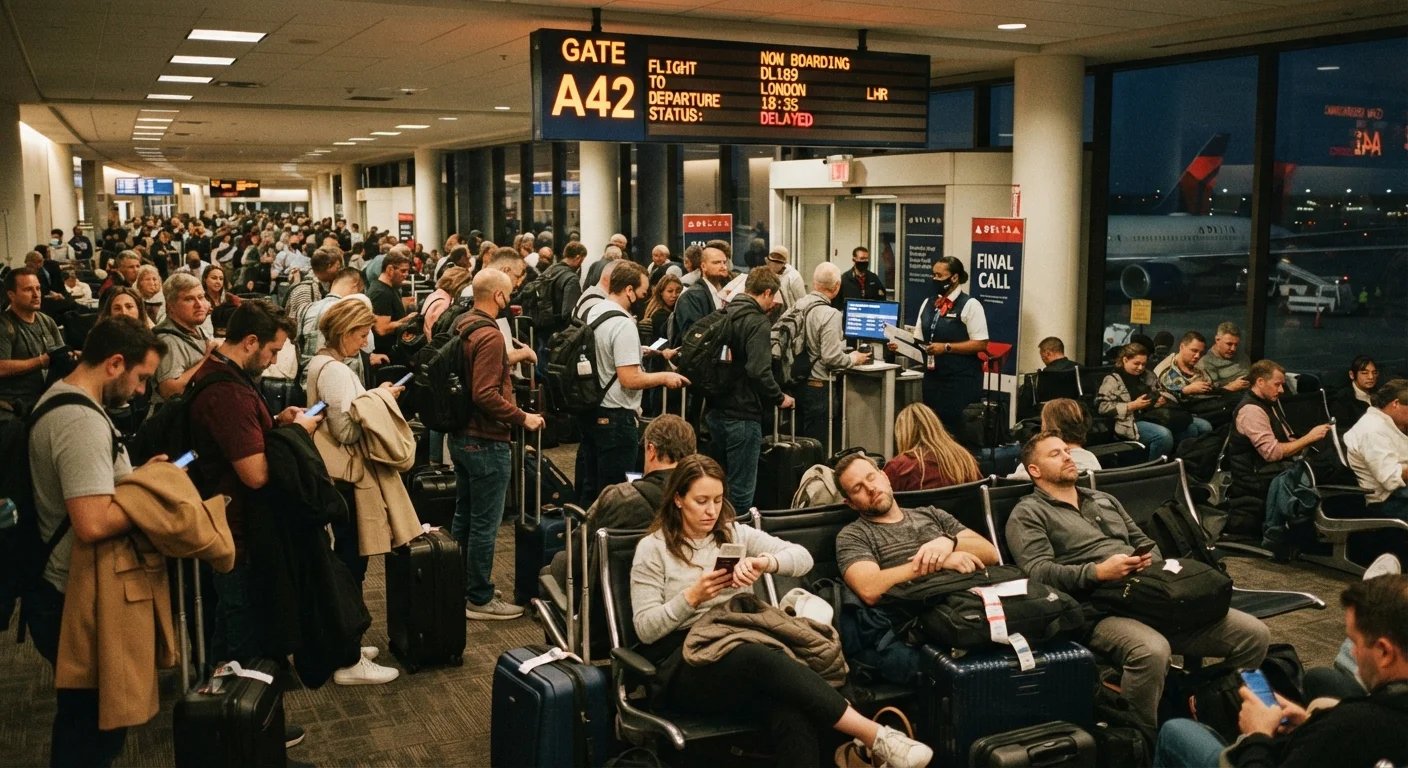
Photo credit: ArticlesHaven.net
In this article
Understand how airlines oversell seats, what DOT rules require, and what involuntary denied boarding compensation means.
Key Takeaways
- Airlines legally oversell seats using no-show rate models, and the practice is common across US carriers.
- If you're involuntarily bumped, US DOT rules require the airline to compensate you in cash, not just vouchers.
- Compensation amounts depend on how long the delay to your arrival is, with a maximum of 400% of your one-way fare (up to $1,550).
- Volunteers who accept the airline's offer give up their DOT protections - negotiate before agreeing.
- Checking in early and having an assigned seat reduces - but does not eliminate - your bump risk.
Why Airlines Oversell Flights
Airlines operate on thin margins and rely on full planes to stay profitable. Experience shows that a consistent percentage of ticketed passengers - due to missed connections, illness, or changed plans - simply don't board. To account for this, carriers use historical no-show data to sell a calculated number of extra seats, betting that the flight will fill to capacity without exceeding it.
Most of the time, the math works in the airline's favor. No-shows happen, the plane departs full, and nobody notices. Problems arise when fewer passengers cancel than anticipated and everyone with a ticket shows up. At that point, the airline has more confirmed passengers than physical seats.
Overbooking Is Not the Same as Cancellation
A denied boarding due to overbooking and a flight cancellation are legally distinct situations with different passenger protections. DOT involuntary bumping compensation applies specifically to oversales where you hold a valid ticket and are denied a seat. If your flight is canceled, different rules and airline policies govern what you're owed. See what applies under schedule change and cancellation scenarios for more.
The risk of being bumped varies by route, season, and carrier. High-demand routes on holiday travel days carry a higher statistical probability of an oversale situation than off-peak midweek flights.
Voluntary vs. Involuntary Bumping: A Critical Distinction
When a flight is oversold, airlines are required by DOT rules to first ask for volunteers before involuntarily removing anyone. This solicitation typically happens at the gate, where an agent asks if any passenger is willing to give up their seat in exchange for compensation - usually a travel voucher, hotel accommodations, and a seat on the next available flight.
Voluntary bumping is a negotiated transaction. You agree to give up your seat in exchange for whatever the airline offers. Importantly, once you accept, you surrender your right to the mandatory DOT compensation. Before agreeing to anything, it's reasonable to ask what the next available flight is and whether the voucher has meaningful restrictions.
Involuntary bumping is different. If the airline cannot find enough volunteers, it must select passengers to deny boarding. At that point, DOT protections kick in automatically. Airlines typically use a priority system - common factors include check-in time, fare class, and whether a passenger has an advance seat assignment. See also: how seat assignments can affect your boarding priority.
Negotiate Before You Volunteer
Gate agents sometimes start with a lower offer when soliciting volunteers. It's entirely reasonable to ask whether the compensation can be increased, especially if flights are several hours apart. Once you accept any voluntary deal, you've agreed to those terms - so clarify the restrictions on any voucher, confirm the next flight time, and ask about meal or hotel accommodations before signing anything.
What US DOT Rules Require When You're Bumped Involuntarily
If you're involuntarily denied boarding, the DOT mandates specific cash compensation tied to how long the delay is relative to your originally scheduled arrival:
- Delay of 0-1 hour: No compensation required.
- Delay of 1-2 hours (domestic) or 1-4 hours (international): 200% of your one-way fare, up to $775.
- Delay of more than 2 hours (domestic) or more than 4 hours (international): 400% of your one-way fare, up to $1,550.
The airline must pay this compensation on the spot - at the airport, before you board the substitute flight. You are not required to accept a voucher in lieu of cash, though you may choose to. The airline must also provide a written statement explaining your rights and the basis for selecting you to be bumped.
400%
Maximum involuntary bump compensation rate
Under US DOT rules, passengers bumped involuntarily with delays exceeding 2 hours domestically are owed up to 400% of their one-way fare, capped at $1,550.
30+
Seat threshold for DOT bump rules to apply
DOT involuntary denied boarding compensation rules apply to flights operated with aircraft having 30 or more passenger seats departing from US airports.
It's worth noting that these rules apply to domestic flights and international flights departing the US on planes with 30 or more seats. If you're dealing with a flight cancellation rather than a denied boarding, the rules differ - see what applies when a flight is canceled entirely.
Practical Steps If You're Facing a Bump
Knowing your rights in the abstract is one thing - acting on them at a busy gate is another. Here's what to keep in mind:
- Don't volunteer hastily. If you hear an announcement asking for volunteers, take a moment to evaluate the offer. Ask what the next flight is, when it departs, and whether the compensation has restrictions before agreeing.
- Ask for the rules in writing. If you're involuntarily bumped, the airline is required to give you a written statement of your rights and the compensation amount.
- Confirm your bags. Make sure your checked luggage is transferred to your new flight. Baggage policies and handling procedures vary by carrier, so get explicit confirmation.
- Document everything. Keep your original boarding pass and any paperwork the airline gives you. If there's a dispute later, this documentation matters.
- Know the limits. DOT compensation covers denied boarding specifically. If you voluntarily accept a deal, or if the bumping is due to factors like aircraft substitution or safety, different rules may apply.
Being bumped can disrupt carefully planned itineraries, especially when connections or accommodations are involved. Building buffer time into travel plans - as discussed in this overview of travel pacing - can reduce the downstream impact of unexpected delays.
Frequently Asked Questions

Author
Articles Haven Editorial Contributor
Articles Haven Editorial Team is the collective byline for our editorial team and contributor network. Articles published under this byline or an editorial pen name are researched, written, and reviewed according to our editorial standards for clarity, consistency, and independence before publication.
View all articles →