
Mistakes Travelers Make When Booking Connecting Itineraries
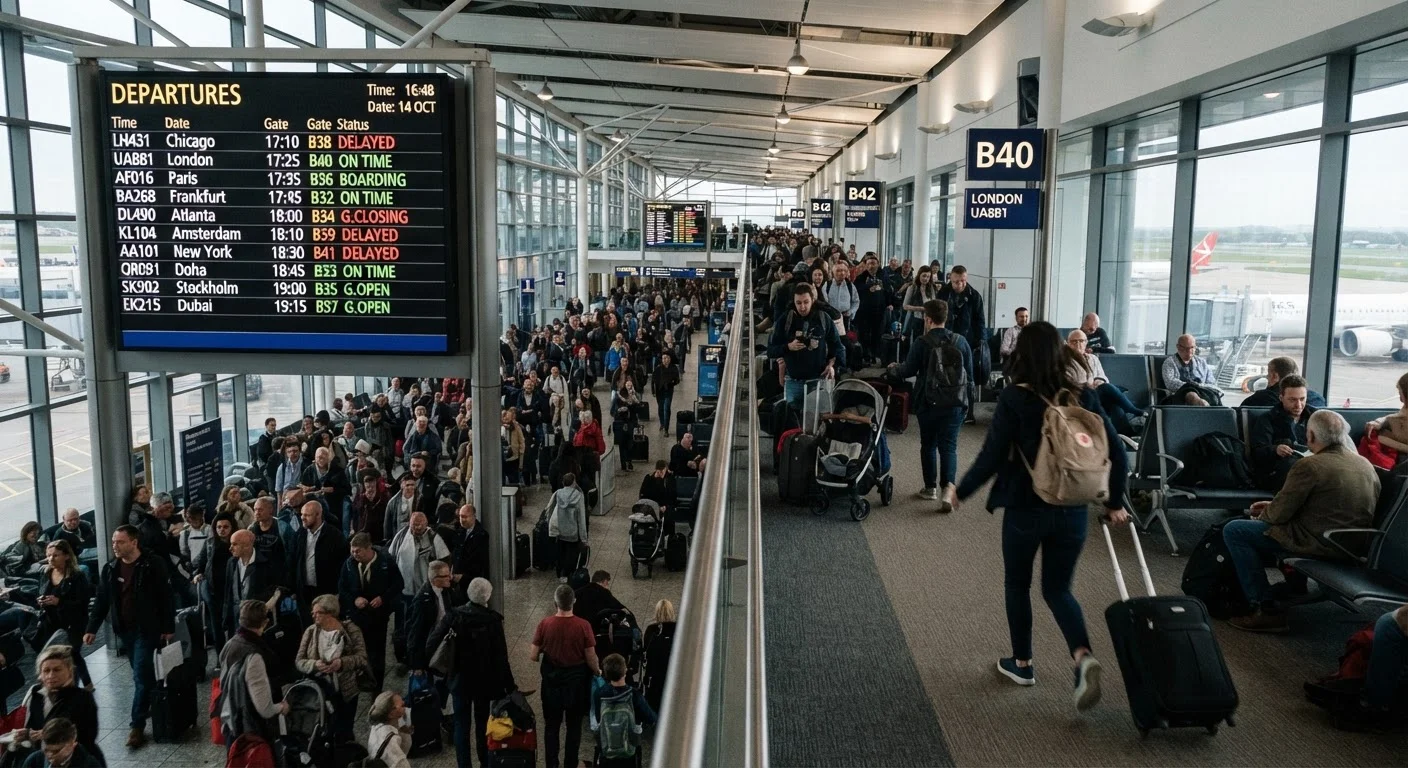
Photo credit: ArticlesHaven.net
In this article
Short layovers, separate tickets, and terminal switches create real risks. Here's what to anticipate before you book.
Key Takeaways
- Booking separate tickets removes airline liability if a missed connection disrupts your trip.
- Minimum connection times vary by airport, terminal layout, and whether you clear customs.
- A single delayed inbound flight can collapse an entire multi-leg itinerary booked independently.
- Terminal changes at hub airports can require more time than most travelers budget for.
- Travel insurance terms differ significantly - verify whether missed connections are explicitly covered.
Why Connecting Itineraries Carry More Risk Than They Appear
Connecting itineraries are a standard part of modern air travel, but the gap between a smooth connection and a derailed trip is narrower than most travelers expect. The risks compound quickly - a short delay on the first leg, an unfamiliar terminal, a customs line that moves slowly - and the consequences depend heavily on how you booked. Understanding those mechanics before you pay is more valuable than any fare savings you might capture.
For a plain-language breakdown of terms like "stopover," "connection," and "layover," see the traveler's glossary on itinerary terms - it's worth reviewing before you search fares.
Booking connecting flights on separate tickets to save money.
Why it happens: Third-party search tools surface cheaper combinations by mixing carriers, which often means separate booking records. The fare difference looks appealing.
Choosing the shortest available connection time to minimize layover.
Why it happens: Travel search tools sort by total travel time, making tight connections look efficient. Travelers conflate a legal minimum connection with a comfortable one.
Ignoring whether an international connection requires clearing US Customs and re-checking bags.
Why it happens: Travelers assume the airline has accounted for customs time in the connection window. This is not always accurate, and the customs process duration is unpredictable.
Not verifying which terminal each leg departs from at the connecting airport.
Why it happens: Booking confirmations show flight numbers, not terminal maps. Travelers assume that connecting flights in the same booking will share a terminal.
Assuming travel insurance automatically covers a missed connection.
Why it happens: "Travel insurance" is a broad category and many policies include missed connection language that has strict conditions - minimum delay thresholds, documented carrier fault, or prior authorization requirements.
Checking bags through without confirming the airline's interline agreement.
Why it happens: Travelers assume that because two flights are in the same itinerary or booking, the airlines will coordinate bag transfer. This is not guaranteed across all carrier combinations.
The Most Costly Booking Mistakes - and How to Sidestep Them
Most connection problems trace back to decisions made at the booking stage, not at the gate. The mistakes below are consistent patterns worth knowing before you commit to a routing.
~20%
US flights arriving late in recent years
The US Bureau of Transportation Statistics has consistently reported that roughly one in five domestic flights arrives behind schedule in any given year.
45-90 min
Typical published minimum connection times
Airlines set minimum connecting times (MCT) that vary by airport and route type - but these are operational minimums, not comfort buffers.
Once you've mapped out a realistic itinerary, it's also worth reviewing itinerary flexibility considerations - especially around change fees and cancellation windows - so you have options if something shifts.
Separate Tickets Means Separate Risk
When you book two flights on separate tickets - even if they're shown together on a third-party site - each reservation is legally independent. If your first flight is delayed and you miss the second, the second airline is not required to rebook you at no cost. You may face a same-day fare to continue your trip. This risk is often worth avoiding even if the fare looks significantly lower.
Building Buffer Into Your Planning
The single most underused protection against connection chaos is deliberate buffer time. Many travelers treat the minimum legal connection window as a target rather than a floor. Airlines publish MCT figures - the shortest interval they consider operationally viable - but these assume on-time arrivals and no complications at security or passport control.
A longer layover is not wasted time if it keeps your trip intact. For perspective on how to think about layover time constructively, how flight layovers work and when to embrace them covers when that extra time can actually add value to a trip rather than subtract from it.
Customs Clearance Is Not Optional Buffer
When re-entering the US from an international destination, all travelers must clear Customs and Border Protection regardless of their connecting flight time. This process is not under your control or the airline's - it depends on staffing, volume, and your documentation. A connection that looks viable on paper can become impossible if customs takes 75 minutes and your gate closes in 80. Always verify whether your international connection requires this step, and add meaningful time for it.
For broader guidance on structuring a realistic itinerary - one that accounts for transit time, rest, and flexibility - see building a travel itinerary that actually works.

Author
Articles Haven Editorial Contributor
Articles Haven Editorial Team is the collective byline for our editorial team and contributor network. Articles published under this byline or an editorial pen name are researched, written, and reviewed according to our editorial standards for clarity, consistency, and independence before publication.
View all articles →