
What to Do When Your Flight Gets Canceled
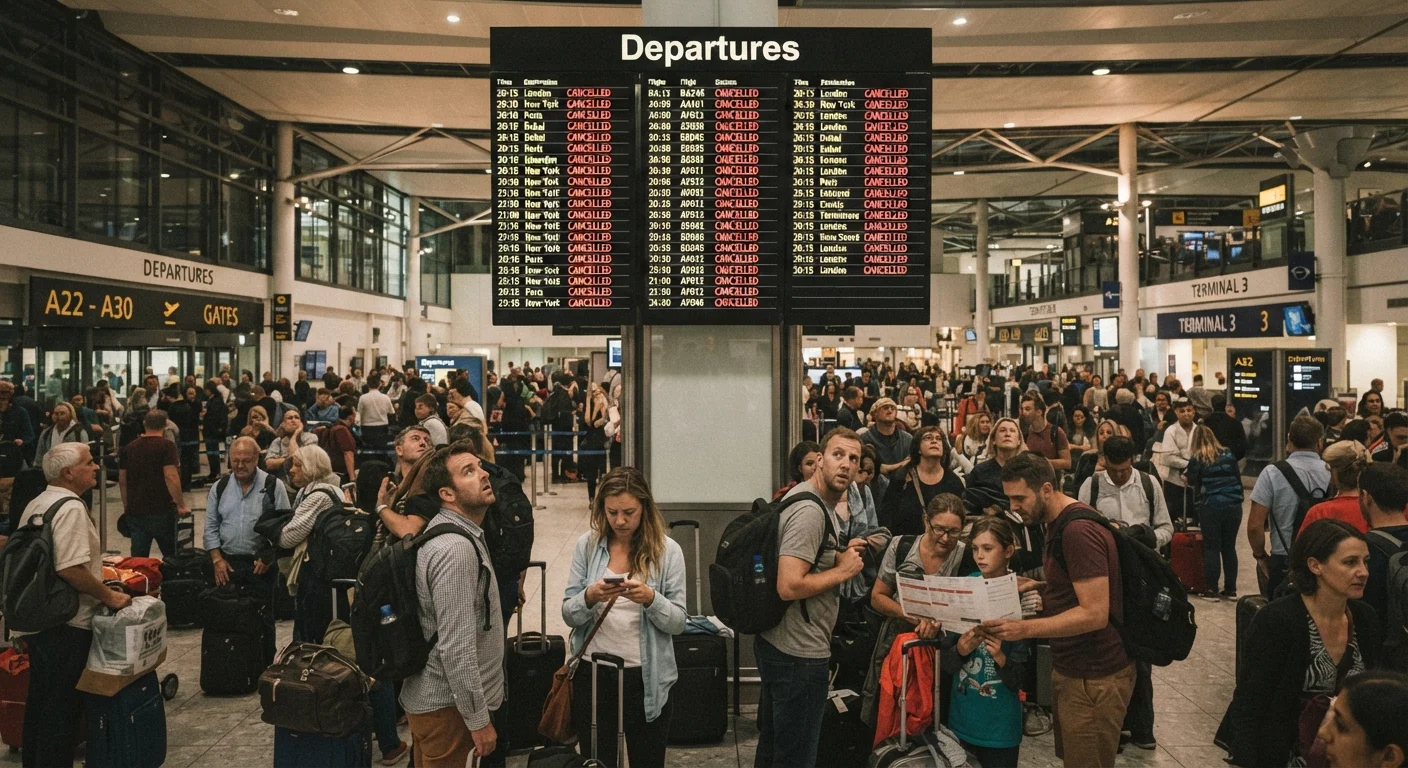
Photo credit: ArticlesHaven.net
In this article
Step-by-step guidance on rebooking, understanding your passenger rights, and managing accommodation when a flight falls through.
Key Takeaways
- Act quickly at the airport - rebooking lines fill up within minutes of a cancellation announcement.
- US DOT rules require airlines to refund your ticket for canceled flights, regardless of the reason.
- Airline meal and hotel vouchers are typically only offered when the cancellation is the carrier's fault.
- Travel insurance or credit card protections may cover out-of-pocket expenses your airline won't.
- Document everything - screenshots, receipts, and reference numbers speed up any future claims.
Why the First 10 Minutes Matter Most
A flight cancellation announcement triggers an immediate scramble for a limited pool of available seats on alternate flights. Airlines typically rebook affected passengers automatically, but the auto-assigned seat may not suit your schedule - and the most convenient options disappear quickly as other passengers rebook ahead of you.
Acting fast across multiple channels at once - app, phone, and gate desk - is the single biggest factor in getting on the next best flight. This is especially true at smaller airports with limited onward service. See our overview of the Flights & Hotels hub for broader guidance on navigating airline and booking decisions.
What you will need
Having the right information on hand before the chaos starts makes every subsequent step faster and less stressful.
Airline Mobile App
Allows you to rebook directly, view available flights, and receive real-time status notifications.
Travel Insurance Policy Documents
Needed to file a claim for out-of-pocket expenses like overnight accommodation or alternate transport.
Credit Card Travel Benefits Guide
Many travel credit cards include trip delay or cancellation protection - check your card's benefit terms.
Receipt-Tracking App or Email Folder
Organize meal, hotel, and transport receipts as you incur them for potential reimbursement claims.
Step-by-Step: What to Do Right Now
Call While You Wait in Line
Gate agents and airport service desks become overwhelmed fast after a cancellation. While you're physically waiting in the rebooking queue, simultaneously call the airline's customer service number or use its mobile app to explore open seats. Whichever channel gets you a confirmed seat first is the one to take.
Confirm the cancellation and get the reason in writing
Before doing anything else, confirm the cancellation officially - via the airline's app, a gate agent, or the departure board. Ask a staff member or check the app for the stated reason (weather, mechanical issue, crew shortage, etc.). This matters because your compensation options differ depending on whether the cause was within the airline's control.
Take a screenshot of the cancellation notice. If a gate agent tells you the reason verbally, note the time and their name.
Start rebooking immediately through every available channel
Open the airline's app and check available flights to your destination at the same time you head to the gate service desk. Call the airline's customer service line if hold times are manageable. Some airlines also allow rebooking via social media direct message.
Look at all routing options - direct, connecting, and even nearby airports. Be flexible on arrival time if it means getting there sooner. If you booked through a third-party platform, contact that platform as well, since they may control the ticket.
Understand and assert your refund rights
If no acceptable rebooking is available - or you simply no longer need to travel - you can request a full cash refund. Under US DOT policy, a canceled flight triggers this right automatically. You do not have to accept a voucher or future travel credit.
Request the refund through the airline's website or customer service. For more detail on exactly what DOT rules cover, see what airlines are required to do under DOT rules.
Ask about meal and accommodation vouchers
If your cancellation is caused by something within the airline's control - a mechanical fault, crew issue, or operational decision - many US carriers provide meal vouchers and hotel accommodation for significant delays. Ask the gate agent directly; this is rarely proactively offered.
Weather and air traffic control events are generally considered outside airline control, and most carriers limit or decline vouchers in those cases. Policies vary by airline, so checking the carrier's customer service commitment page is worth a few minutes.
Manage downstream bookings - hotel, car, and connections
Contact your hotel as soon as possible if your arrival will be delayed or canceled entirely. Many hotels will waive same-day cancellation fees when you explain a flight cancellation, especially with documentation. For guidance on navigating hotel cancellation terms, see reading a hotel's cancellation policy.
Notify car rental companies and tour operators for similar leniency. If you have a connecting flight on a separate ticket - not booked under the same itinerary - the second carrier has no obligation to accommodate you, so act fast.
File claims for out-of-pocket expenses
If you incurred costs the airline won't cover - a hotel night, meals, or alternate transport - check your travel insurance policy and your credit card's travel protection benefits. Both may reimburse reasonable expenses caused by flight cancellations, subject to your specific policy terms.
Submit claims with all supporting documentation: cancellation notice screenshots, itemized receipts, and your rebooking confirmation. For a broader look at what travel insurance typically covers in these situations, see what travel insurance covers for flight disruptions.
Don't Accept a Voucher Without Thinking
Airlines often push travel credit vouchers at the gate or via automated emails immediately after a cancellation. Before accepting, check whether the voucher value equals a full refund and review its expiration date and any usage restrictions. Once accepted, it may be harder to claim a cash refund afterward.
You Are Entitled to a Full Refund
Under US Department of Transportation rules, if an airline cancels your flight, you are entitled to a full cash refund to your original payment method - even if the ticket was labeled non-refundable. This applies whether or not the cancellation was within the airline's control. An airline may offer travel credits or vouchers instead, but you are not required to accept them in place of a cash refund.
Common Pitfalls and How to Avoid Them
Beyond the immediate steps, a few mistakes consistently cost travelers time and money after a cancellation:
- Waiting passively for the airline to sort it out. Automated rebooking systems often default to the next available flight on the same carrier, which may be far from ideal. Always verify and push back if needed.
- Not separating controllable from weather cancellations. Your compensation entitlements and voucher eligibility hinge on this distinction. Don't assume you're owed a hotel if the cause was a thunderstorm.
- Forgetting about downstream bookings. A canceled flight can trigger a cascade of missed reservations. Proactive outreach to hotels and rental companies often unlocks fee waivers that aren't advertised.
- Skipping documentation. If you plan to claim anything through insurance or a credit card, receipts and timestamped screenshots are non-negotiable. Recreating a paper trail after the fact is difficult.
If you want to reduce exposure to these situations in the future, thinking through itinerary flexibility before you book covers how refundable fares and flexible booking windows can change your options when disruptions occur.

Author
Articles Haven Editorial Contributor
Articles Haven Editorial Team is the collective byline for our editorial team and contributor network. Articles published under this byline or an editorial pen name are researched, written, and reviewed according to our editorial standards for clarity, consistency, and independence before publication.
View all articles →