
Why Flight Prices Change So Often—and What That Means for When You Book
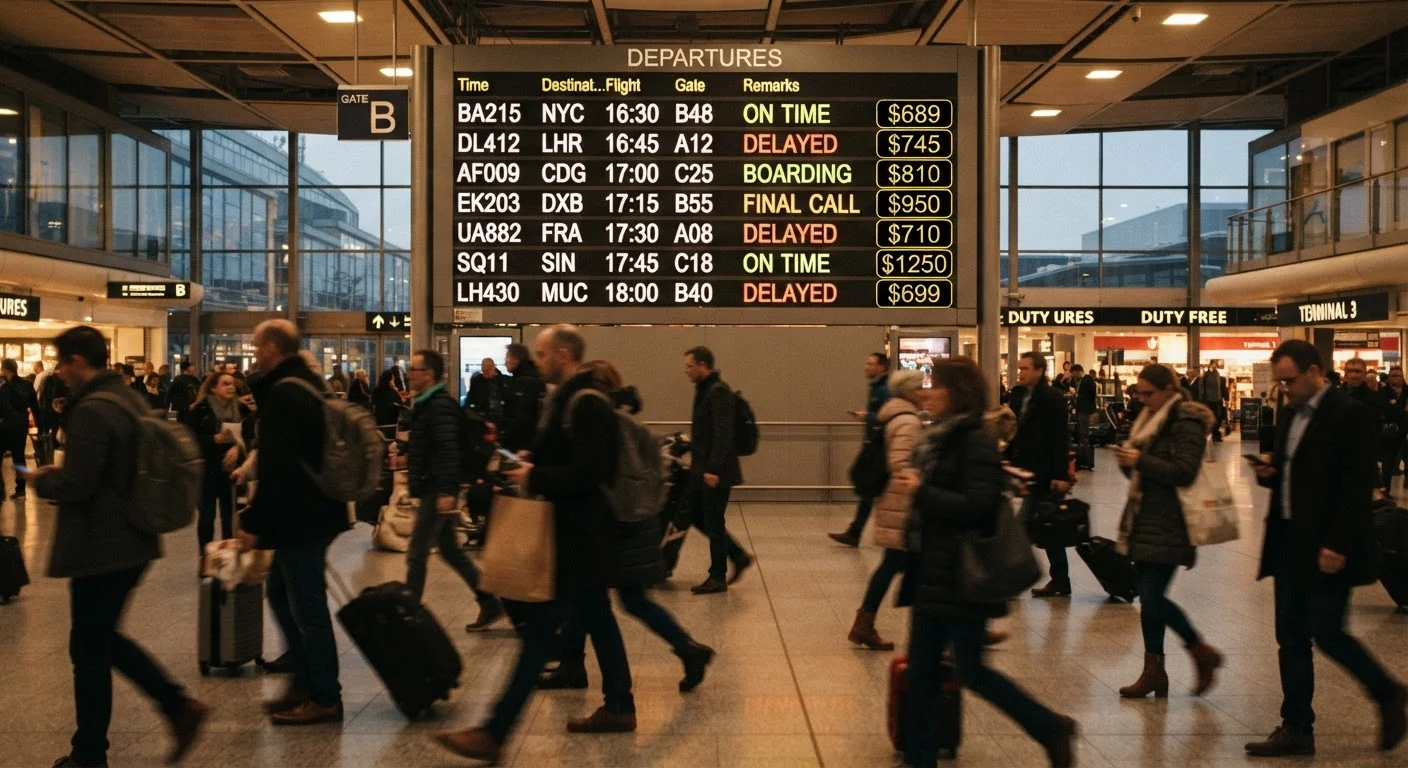
Photo credit: ArticlesHaven.net
In this article
Explore the forces behind airfare fluctuation, from demand curves to schedule changes, and what travelers can realistically do about it.
Key Takeaways
- Airlines use automated revenue management systems to reprice seats continuously based on demand and inventory.
- The same physical seat can carry a dozen different price points across different fare classes.
- Booking windows, route competition, and travel season all interact to influence the price you see.
- No single booking strategy guarantees the lowest fare - trade-offs always exist.
- Flexibility on travel dates and departure times generally gives you more pricing options.
The Engine Behind Every Price Change
When you check a flight price on Monday and find it higher on Tuesday, it's rarely a coincidence or a conspiracy - it's an algorithm responding to data. Airlines run sophisticated revenue management systems that evaluate seat inventory, booking pace, historical demand, and competitor pricing to decide what each remaining seat should cost at any given moment.
The core logic is straightforward: a seat that goes unsold earns nothing, but selling seats too cheaply leaves money on the table. The system tries to thread that needle by gradually adjusting prices as departure approaches and inventory shifts. For a deeper look at how fare classes structure this process, see how airline pricing works.
Up to 12
Fare classes that can apply to a single seat
Revenue management systems typically segment cabin inventory into multiple fare buckets, each with its own price and conditions, according to airline industry analyses.
168+
Times a fare can change before departure
Industry observers have documented individual routes where fares are adjusted multiple times per day across the booking window, meaning hundreds of changes are possible before a flight departs.
1-4 months
Common advance booking window for domestic fares
Travel research has generally found that this range tends to capture more competitive domestic pricing, though the optimal window varies significantly by route, carrier, and season.
This means the price you see is less a fixed quote and more a snapshot of supply and demand at that exact moment - which is why checking again an hour later can show a different number.
What Actually Moves the Price
Several distinct forces push fares up or down, and they often act simultaneously:
- Remaining seat inventory: As cheaper fare buckets fill up, the system promotes higher-priced classes. This is why prices often rise as a flight fills.
- Booking pace: If a flight is selling faster than expected, the airline's system interprets strong demand and raises prices proactively.
- Competitor pricing: On routes with multiple carriers, airlines monitor each other and adjust to stay competitive - or to capitalize when a competitor raises fares first.
- Travel season and local events: High-demand periods like school holidays, major sporting events, or popular festivals compress seat availability and push prices up across an entire market.
- Days to departure: The relationship between advance booking and price is not linear. Very early fares can be high, mid-range windows often see more competition, and last-minute prices are unpredictable. Booking early versus last-minute each comes with real trade-offs.
Prices Can Drop Too - But It's Not Guaranteed
While fares often rise as a flight fills, they can also drop if a route is selling slowly and the airline wants to stimulate demand. This makes fare-watching a two-way exercise. However, waiting for a price drop on high-demand routes or dates is a riskier strategy than on less popular ones. There's no reliable way to predict which direction a specific fare will move.
Schedule changes can also trigger price resets on affected routes - another reason a fare you saved earlier may not match what you find at checkout. Understanding what happens when airlines change your schedule is useful context here.
What This Means for How You Book
Knowing that pricing is dynamic doesn't hand you a magic booking formula - but it does help you set realistic expectations and avoid chasing myths.
Set a Price Alert, Then Commit
Rather than checking fares repeatedly and second-guessing every movement, consider setting a price alert through a flight search tool for your target route. When the fare hits a level that works for your budget, book it. Waiting indefinitely for a lower price is a gamble - inventory at any given price point can disappear quickly, especially as departure approaches.
One practical implication: flexibility is your strongest lever. Travelers who can shift departure by a day or two, choose a connecting itinerary instead of nonstop, or depart from an alternate nearby airport often find meaningfully different prices - not because of a trick, but because those options sit in different inventory pools with different demand profiles.
Timing also intersects with how you book. Booking directly with an airline versus using a travel platform affects what fares are visible and what flexibility you retain afterward. Neither channel is universally superior - the right choice depends on your route and what you value in a booking.
Season and day of travel matter too, though perhaps not in the ways popular advice suggests. How season and day of week affect flight costs covers what the evidence actually shows about demand-driven pricing cycles.
Finally, it's worth separating what's real from what's myth. Many widely shared booking hacks - from incognito mode to specific booking days - don't hold up under scrutiny. Common flight booking misconceptions examines these claims directly.
The most durable strategy remains a simple one: understand the forces at work, give yourself a reasonable booking window, compare options across multiple dates, and accept that some price movement is beyond any traveler's control.
Frequently Asked Questions

Author
Articles Haven Editorial Contributor
Articles Haven Editorial Team is the collective byline for our editorial team and contributor network. Articles published under this byline or an editorial pen name are researched, written, and reviewed according to our editorial standards for clarity, consistency, and independence before publication.
View all articles →