
Budget Airlines vs. Full-Service Carriers: An Honest Comparison
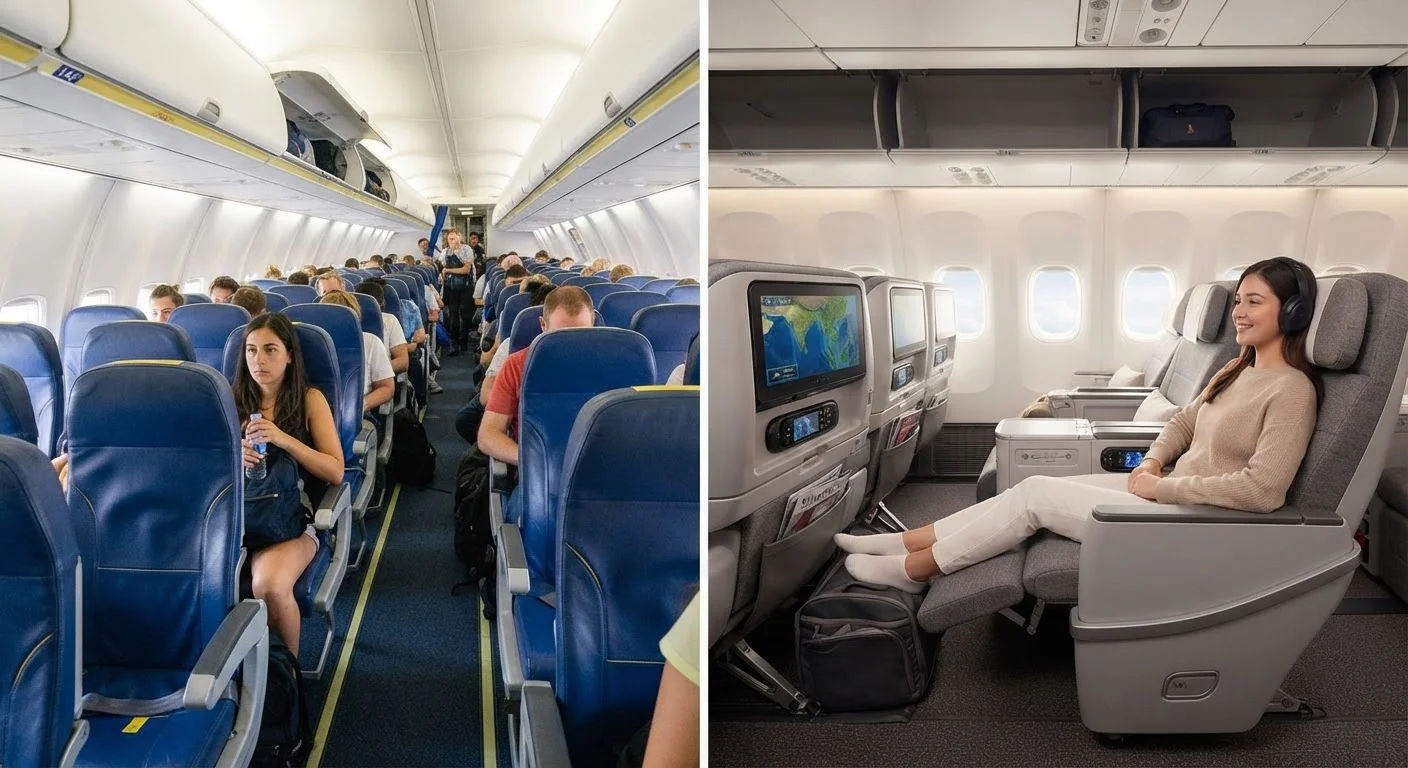
Photo credit: ArticlesHaven.net
In this article
Break down what actually differs between low-cost and legacy carriers—from baggage and seating to flexibility and reliability.
Key Takeaways
- Budget airlines advertise low base fares, but fees for bags, seat selection, and changes can close the gap quickly.
- Full-service carriers typically include more flexibility, checked luggage, and in-flight amenities in their base fare.
- Route networks differ significantly - budget carriers often focus on point-to-point routes while legacy airlines offer broader hub connections.
- Neither carrier type is universally better; your trip length, travel party size, and flexibility needs should drive the choice.
- Always compare the all-in price - not just the headline fare - before booking either type.
How the Two Models Actually Work
Budget airlines - often called low-cost carriers (LCCs) - operate on an unbundled model. You pay a base fare for a seat and not much else. Every add-on, from a carry-on bag to a window seat to a printed boarding pass at the airport, carries a separate fee. This approach lets carriers advertise headline prices that look dramatically lower than the competition.
Full-service carriers (also called legacy or network airlines) historically include more in the ticket price: checked baggage on many fare classes, seat selection, in-flight meals or snacks on longer routes, and flexible rebooking options. Their networks also tend to be broader, connecting smaller cities through hub airports. For more on how those route structures work, see how hub-and-spoke and point-to-point networks shape your options.
Neither model is inherently better - they're built for different travelers.
Where the Real Cost Differences Show Up
The base fare gap between budget and full-service airlines is real, but it narrows fast once fees enter the picture.
| Budget Airlines | Full-Service Carriers | |
|---|---|---|
| Base fare | Generally lower | Generally higher |
| Checked baggage | Fee-based (most carriers) | Often included on higher fare classes |
| Carry-on bag | May charge for overhead bin access | Usually included |
| Seat selection | Fee or random assignment | Often included or lower fee |
| Change/cancellation flexibility | Limited; fees common | More flexible; policies vary by fare |
| Route network | Point-to-point, fewer connections | Broad hub-and-spoke network |
| In-flight amenities | Minimal; extras cost more | More included; varies by route |
| Seat pitch (space) | Tighter on average | Slightly more generous on average |
Baggage policy is often the biggest leveler. A round trip with two checked bags on a budget carrier can add $100-$150 in fees, erasing the fare advantage entirely. For a detailed breakdown of how US carrier baggage allowances compare, see checked bag rules and airline baggage policies compared.
Change and cancellation fees are another hidden cost. Budget carriers typically charge significant fees to modify a booking, or offer only credit rather than refunds. Full-service airlines have moved toward more flexible policies in recent years, though terms still vary by fare class.
Build the All-In Price Before Comparing
Before deciding, add expected bag fees, seat selection, and any other likely extras to both fares side by side. A budget fare that starts $80 lower can end up costing more once a carry-on, seat assignment, and one bag are added. Spending five minutes on this math is the single most useful thing you can do before booking.
Comfort, Reliability, and the In-Flight Experience
Seat pitch - the space between your seat and the one in front - tends to be tighter on budget carriers, where maximizing passenger count is central to the model. On short domestic routes of two hours or less, this is manageable for most travelers. On longer flights, the difference becomes more noticeable.
28-31"
Typical seat pitch on budget US carriers
Standard economy pitch on many US low-cost carriers, compared to 30-34" common on full-service carriers - a difference that's felt on longer flights.
~$35-$75
Typical one-way checked bag fee (budget carriers)
Fees vary by carrier, route, and when you pay - airport check-in fees are generally higher than fees paid during booking.
On-time performance varies more by route and season than by carrier type, but full-service airlines generally have larger staff resources to handle irregular operations (delays, cancellations, rebooking). Budget carriers may have fewer options when flights go sideways, which can mean longer wait times for resolution.
In-flight amenities - Wi-Fi, entertainment, food and beverage - are often available on both carrier types but structured differently. Budget carriers may charge for Wi-Fi access or offer no in-seat entertainment screens at all. If the in-flight experience matters to you, understanding what changes between fare cabins is worth reviewing before booking.
Choosing Based on Your Trip, Not Just the Fare
A few practical questions can guide your decision more reliably than the headline price alone:
- How much are you checking? Travelers with one personal item and no checked bags are much better positioned to benefit from a budget fare.
- How firm are your dates? If plans might change, the cost of a rebooking fee on a budget carrier can dwarf the initial savings.
- How long is the flight? A 90-minute hop feels very different from a five-hour transcontinental route in a tight seat.
- Are you traveling as a group? Seat selection fees multiply quickly across a family or group, which can flip the math.
It's also worth thinking about where you're booking. Whether you go through an airline's own site or a third-party platform can affect price transparency and flexibility - a trade-off covered in detail in booking direct vs. using a travel platform.
Watch for Strict Carry-On Size Rules
Budget carriers often enforce personal item and carry-on dimensions more strictly than full-service airlines, and gate agents may charge fees on bags that technically fit within other airlines' policies. Measure your bag against the specific carrier's published dimensions before you travel - not just a general industry standard. Fees charged at the gate are typically the highest of all payment points.

Author
Articles Haven Editorial Contributor
Articles Haven Editorial Team is the collective byline for our editorial team and contributor network. Articles published under this byline or an editorial pen name are researched, written, and reviewed according to our editorial standards for clarity, consistency, and independence before publication.
View all articles →