
Traveling with Medications: What Domestic and International Travelers Should Know
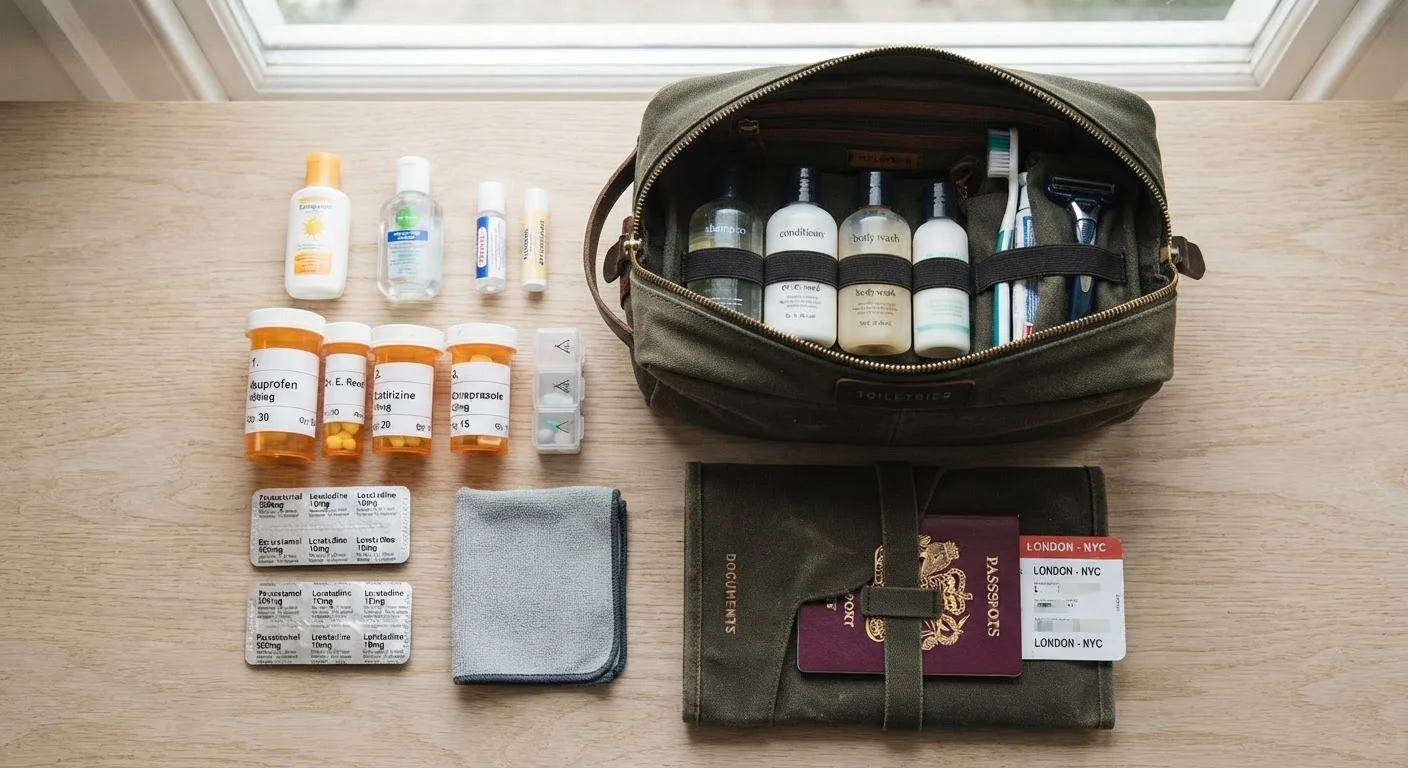
Photo credit: ArticlesHaven.net
In this article
General guidance on carrying prescription and OTC medications while traveling, including documentation practices and customs considerations.
Key Takeaways
- Keep all medications in their original labeled containers to avoid customs and security complications.
- Carry a letter from your prescribing doctor when traveling internationally with prescription drugs.
- Some medications legal in the US are controlled or banned in other countries - verify before you go.
- Pack a sufficient supply in your carry-on, not just checked luggage, in case bags are delayed.
- Always verify entry requirements with official government or embassy sources before departure.
Why Medication Planning Matters Before You Travel
Most travelers focus on passports, hotels, and itineraries - and medication logistics get left for the night before departure. That's when problems start. Whether you take a daily prescription or just pack some ibuprofen, knowing the rules in advance saves you from delays at security, complications at customs, or worse, running out of something you need.
The stakes are higher for international travel, but domestic trips have their own friction points too. TSA screening, airline rules, and state-level regulations on certain substances can all come into play. The good news: a small amount of upfront preparation handles most of the risk.
For a broader look at what to organize before leaving the US, see our international trip planning guide.
Keep all medications in original, labeled containers throughout your trip.
Original pharmacy labels confirm that medications are legitimately prescribed, reducing friction at security checkpoints and customs. Unlabeled pills in a generic container raise red flags that can delay or complicate travel.
Obtain a signed letter from your prescribing physician before international travel.
Customs officials in many countries require proof that prescription medications are medically necessary. A physician's letter on official letterhead provides that verification and demonstrates you're not carrying medications for distribution.
Research your destination country's rules on your specific medications at least 4-6 weeks before departure.
Import permits, quantity limits, and outright bans on certain drugs require advance planning - some permits take weeks to process. Last-minute research leaves no time to get compliant.
Pack your full medication supply in your carry-on luggage, not your checked bag.
Checked bags can be delayed, lost, or misrouted. If critical medication is only in your checked bag and it doesn't arrive, you may face days without it while waiting for the airline to locate your luggage.
Carry a written list of medications using generic (non-brand) names.
Brand names differ widely between countries. A generic name - the actual drug compound - is recognized universally by pharmacists and medical professionals anywhere in the world, which matters if you need a refill or emergency care.
Documentation and Packing: The Practical Basics
Good documentation is your first line of defense at any border or security checkpoint. Here's what to have ready:
- Original pharmacy labels: Keep medications in containers with the original pharmacist label showing your name, the drug name, prescribing doctor, and dosage instructions.
- A doctor's letter: For prescription medications - especially injectable drugs, controlled substances, or anything that looks unusual - a signed letter from your physician explaining what the medication is and why you need it adds credibility at customs.
- Copies of prescriptions: Keep paper or digital copies separate from the medications themselves in case a bottle is lost.
When packing, always divide your supply. Keep enough medication for your full trip in your carry-on, and if you're traveling with a companion, consider splitting the supply between bags. A delayed checked bag shouldn't mean missing doses.
International Travel: Rules Vary - and They Matter
This is where travelers get caught off guard most often. A medication your doctor prescribes routinely in the United States may be a controlled substance, require a special import permit, or be outright prohibited in your destination country. This isn't rare - it applies to common medications including certain opioid-based pain relievers, ADHD medications, some anxiety drugs, and even specific antihistamines.
Medication Rules Vary Significantly by Country
There is no universal international standard for which medications require permits, which are restricted, and which are banned. A drug that's a routine prescription in the United States may be classified as a narcotic or prohibited substance elsewhere. This applies to some ADHD medications, opioid pain relievers, certain sleep aids, and even some decongestants. Always verify with the destination country's embassy or official customs authority - not travel forums or general websites - before you pack.
Before traveling internationally, check with the destination country's embassy or official health ministry to confirm whether your medications are permitted. The US Embassy website for your destination country is a reliable starting point, as is the destination country's customs authority website.
Quantity limits are another consideration. Many countries allow travelers to carry a limited supply - often 30 to 90 days' worth - for personal use. Carrying more than that may require an import permit or trigger additional scrutiny.
For travelers heading to less familiar regions, our article on what to know before visiting a developing-world destination covers related health and logistics considerations worth reviewing.
50+
Countries with restrictions on common US prescriptions
Travel health organizations note that more than 50 countries classify certain medications - including common US prescriptions - as controlled or prohibited substances.
30-90 days
Typical personal-use supply limit at international borders
Many countries set a 30-to-90-day personal supply limit for travelers carrying prescription medications; quantities above that threshold may require an import permit.
Domestic Travel and TSA Screening
Within the United States, TSA allows passengers to carry both prescription and over-the-counter medications in carry-on and checked bags. Liquid medications are exempt from the standard 3.4-oz rule but must be declared at the checkpoint and may be subject to additional screening.
Declare Medications Proactively at Customs
When in doubt at an international customs checkpoint, declare your medications rather than waiting to be asked. Most countries treat voluntary disclosure favorably, and it signals you have nothing to hide. Keep your documentation accessible - not buried in your checked bag - so you can present it immediately if asked.
A few things to keep in mind for domestic flights:
- Medically necessary gels, ice packs, and liquid medications are permitted in reasonable quantities but must be separated and declared.
- Controlled substances (such as opioids or benzodiazepines) should be in their original pharmacy containers. TSA agents aren't required to verify prescriptions, but original labeling prevents unnecessary delays.
- If you travel with injectable medications or needles, carry documentation from your doctor - some airports handle these differently.
If you're traveling with children who take medications, the same general principles apply, though a parent or guardian should carry the documentation. Our guide to traveling with kids covers additional family-specific planning considerations.
Keeping Medications Safe During Your Trip
Once you're through security, the job isn't done. Medications can degrade in heat, humidity, or direct sunlight - conditions common in checked luggage holds and tropical destinations. Store temperature-sensitive medications (including many insulin products and some biologics) in an insulated case and check storage requirements with your pharmacist before you travel.
“When traveling internationally with medications, the generic drug name is your passport - it crosses borders and language barriers in a way brand names simply cannot.”
— General guidance from travel medicine practitioners, Travel medicine consensus, widely cited in pre-travel consultation literature
A few additional tips for the trip itself:
- Keep a written list of all your medications - generic names, not just brand names - in your wallet or saved in your phone. Generic names are more universally recognized if you need a refill or medical attention abroad.
- Know the generic name of each drug you carry. Brand names differ significantly by country.
- If you're crossing multiple time zones, ask your prescribing doctor how to adjust timing for time-sensitive medications.
For a comprehensive pre-departure checklist including health documentation, see our pre-trip checklist for first-time international travelers.
This article is for general informational purposes only and does not constitute medical or legal advice. Regulations vary by country and change frequently - always verify requirements with official sources and consult a qualified healthcare provider regarding your specific medications and health needs before traveling.

Author
Articles Haven Editorial Contributor
Articles Haven Editorial Team is the collective byline for our editorial team and contributor network. Articles published under this byline or an editorial pen name are researched, written, and reviewed according to our editorial standards for clarity, consistency, and independence before publication.
View all articles →