
How Altitude Affects Your Travel Experience — and Which Destinations Require Attention
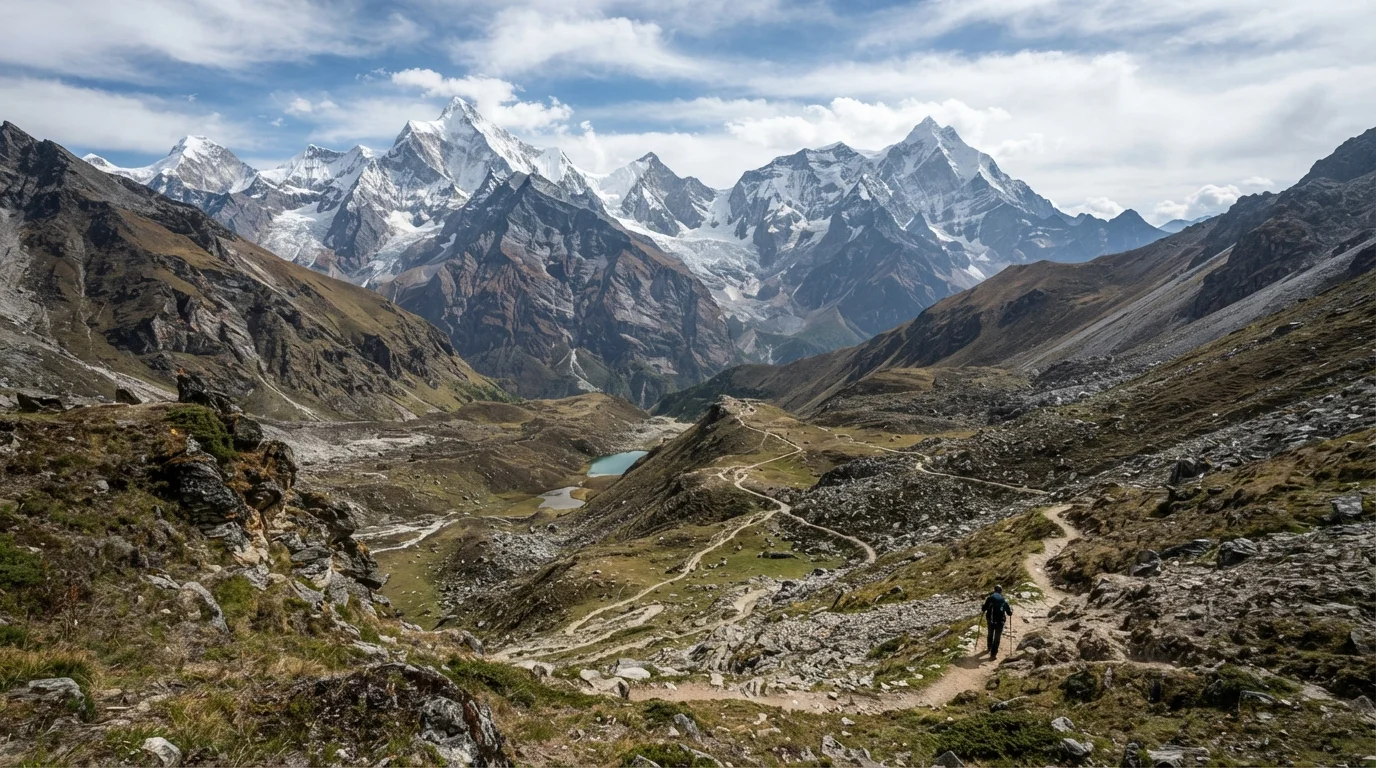
Photo credit: ArticlesHaven.net
In this article
High-altitude destinations like Peru, Colorado, and Nepal come with physiological considerations. General guidance on what travelers typically encounter.
Key Takeaways
- Altitude affects travelers differently - prior fitness level is not a reliable predictor of who will experience symptoms.
- Most high-altitude destinations above 8,000 feet carry some risk of Acute Mountain Sickness.
- Gradual ascent, adequate hydration, and planned acclimatization days are among the most widely recommended general strategies.
- Travelers with heart, lung, or blood conditions should consult a healthcare provider before booking high-altitude trips.
- Descent is the most effective remedy if symptoms become severe - always know your evacuation options.
Why Altitude Is a Travel Planning Factor, Not Just a Backdrop
Many travelers choose destinations primarily around scenery, culture, or budget - and altitude barely registers until they're already short of breath on arrival. But elevation is a genuine physiological variable that can reshape your trip in ways that no amount of packing preparation will fix.
When you travel to high-altitude destinations, the air pressure drops and each breath delivers less oxygen than at sea level. Your body compensates - increasing breathing rate, heart rate, and red blood cell production over time - but that adjustment process takes days, not hours. Arriving in Cusco or Kathmandu and immediately starting a demanding itinerary is a common mistake that often results in avoidable discomfort.
This isn't a reason to avoid high places. It's a reason to plan for them the same way you'd plan around weather or visa requirements. For more on how environmental factors shape the character of a trip, see how climate and weather shape the way a destination feels.
~25%
Visitors to high-altitude destinations who experience AMS
General travel medicine literature suggests roughly 25% of travelers to altitudes above 8,000 feet experience some degree of Acute Mountain Sickness, though rates vary by destination and ascent profile.
8,000 ft
Elevation threshold where AMS risk meaningfully increases
Travel medicine resources commonly cite approximately 8,000 feet (2,400 meters) as the elevation above which Acute Mountain Sickness becomes a realistic concern for most travelers.
11,900 ft
Elevation of La Paz, Bolivia
La Paz is among the highest capital cities in the world, placing arriving travelers immediately at an elevation where acclimatization is necessary before physical activity.
Destinations That Commonly Require Altitude Awareness
Several popular destinations fall into the range where altitude sickness is a realistic consideration:
- Cusco and the Sacred Valley, Peru - Cusco's elevation above 11,000 feet makes it one of the most commonly cited AMS locations for international travelers. Many itineraries now recommend spending a night or two in the lower Sacred Valley before ascending.
- Kathmandu and trekking regions, Nepal - Kathmandu itself sits around 4,600 feet, but popular treks rapidly climb to 11,000-18,000+ feet. Altitude management is central to responsible trekking itinerary design.
- La Paz, Bolivia - The world's highest capital city at roughly 11,900 feet above sea level. Even arriving by air deposits you immediately at a challenging elevation.
- Colorado mountain towns, USA - Denver is only at 5,280 feet, but ski towns like Breckenridge and Telluride sit well above 9,000 feet. Many visitors from coastal cities notice effects within hours of arrival.
- Lhasa, Tibet - At approximately 11,450 feet, and with further elevation gains on surrounding routes, Tibet requires particularly deliberate acclimatization planning.
If you're traveling as a group, altitude tolerance differences between members can complicate shared itineraries. The framework in choosing a destination when you're traveling as a group addresses how to factor physical considerations into group decision-making.
General Strategies Travelers Use to Manage Altitude
There is no guaranteed method to prevent altitude sickness - individual responses vary significantly. That said, several general approaches are widely discussed among experienced high-altitude travelers and in general travel health guidance:
Build Acclimatization Days Into Your Itinerary
When booking a high-altitude trip, treat acclimatization days as non-negotiable rather than optional padding. Arriving a day or two early before demanding activities - trekking, touring, or skiing - gives your body a meaningful head start. It's one of the simplest adjustments that can meaningfully affect how you feel throughout the rest of your trip.
- Ascend gradually. Where itineraries allow, climbing in stages - spending a night at an intermediate altitude before going higher - gives your body more time to adjust.
- Stay hydrated. Dehydration compounds symptoms. Many travelers underestimate fluid loss at altitude, particularly in dry mountain air.
- Reduce exertion on arrival days. Resist the urge to immediately explore aggressively. A slower first day is a common recommendation.
- Avoid alcohol and sedatives early in your stay. Both can suppress breathing and compound the effects of lower oxygen levels.
- Know when to descend. If symptoms worsen - particularly with confusion, severe headache, or difficulty breathing at rest - descent is the standard first response.
Medications sometimes used in high-altitude contexts (such as acetazolamide) require a prescription and a conversation with a qualified healthcare provider well before your trip. This article does not recommend or advise on specific medications or dosages - consult a physician familiar with travel medicine for personal guidance.
Before committing to a high-altitude destination, thorough pre-trip research matters. Researching a destination before you go covers how to gather reliable health, logistics, and safety information specific to where you're headed.
Individual Responses Vary Considerably
There is no reliable way to predict in advance how any individual will respond to altitude. Genetics, prior altitude exposure, and the rate of ascent all play roles that general fitness does not override. Even experienced mountaineers can experience symptoms on a given trip. This unpredictability is precisely why conservative ascent profiles and awareness of symptoms matter.
Verify Current Health and Entry Guidance Before Travel
Travel health recommendations, required vaccinations, and entry requirements for high-altitude countries can change. Always verify current conditions with official government travel advisories and consult a travel medicine professional before departure - particularly for remote destinations where emergency medical access is limited.
Who Should Take Extra Caution
While altitude sickness can affect anyone regardless of age or fitness, certain travelers should seek specific medical advice before planning high-altitude trips:
- People with pre-existing heart or lung conditions
- Travelers with anemia or blood disorders
- Pregnant travelers
- Children, particularly at very high elevations
- Anyone with a previous history of HAPE or HACE
For travelers venturing to destinations where medical infrastructure is limited, altitude risk compounds general travel health considerations. What to know before visiting a developing-world destination covers how to assess health access and emergency logistics in regions where evacuation may be complicated.
Planning the timing of your visit also matters. High-altitude trekking seasons exist for good reason - weather windows, trail conditions, and emergency access all interact with altitude risk. Traveling during peak vs. off-peak periods can help you weigh seasonal trade-offs for mountain destinations.
“The mountains don't care how fit you are. Acclimatization is a biological process - it takes time regardless of your training level.”
— Wilderness Medicine Institute, Travel and wilderness medicine training organization
This article provides general travel information only and is not medical advice. Consult a qualified healthcare provider before traveling to high-altitude destinations, especially if you have any existing health conditions.
Frequently Asked Questions

Author
Articles Haven Editorial Contributor
Articles Haven Editorial Team is the collective byline for our editorial team and contributor network. Articles published under this byline or an editorial pen name are researched, written, and reviewed according to our editorial standards for clarity, consistency, and independence before publication.
View all articles →