
Road Trip Planning: A Start-to-Finish Walkthrough
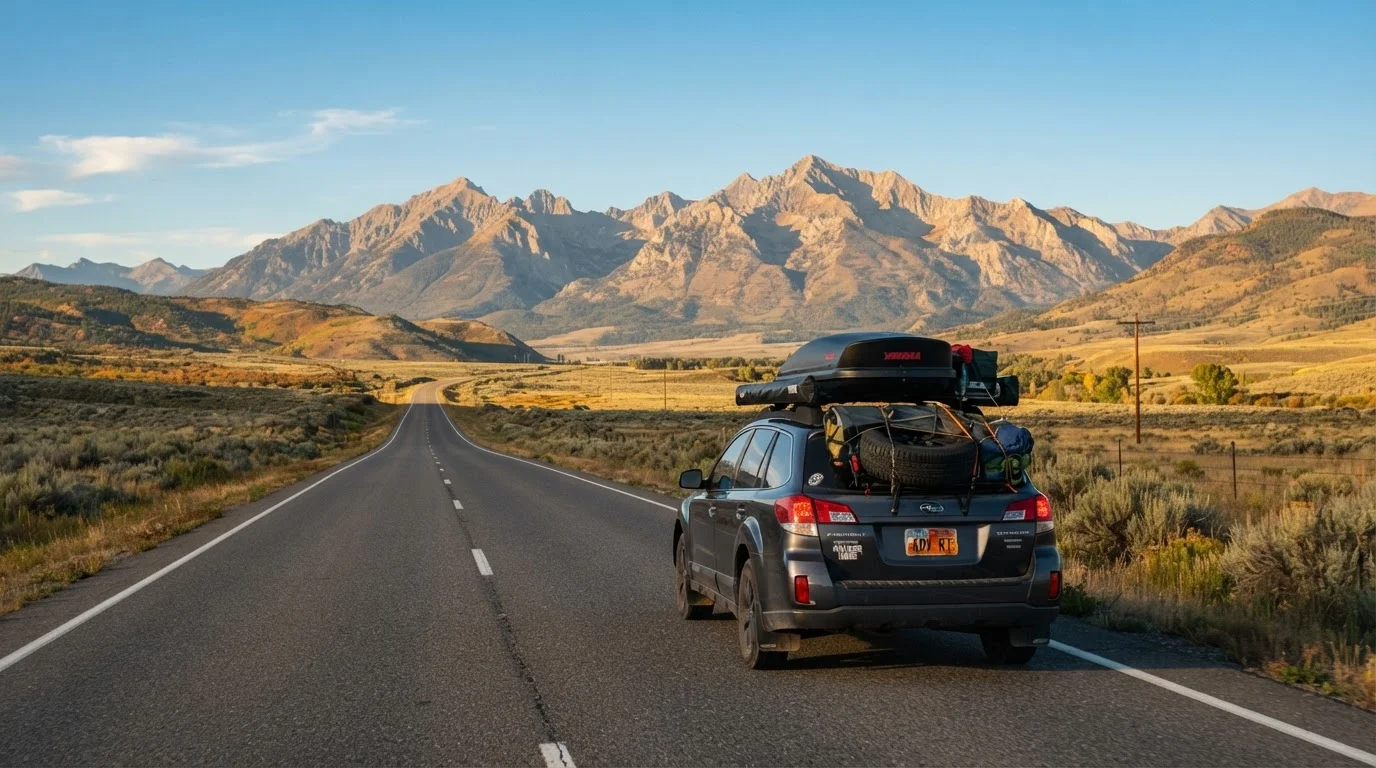
Photo credit: ArticlesHaven.net
In this article
Everything involved in planning a road trip — routes, vehicle prep, overnight stops, packing, and staying safe on long drives.
Key Takeaways
- Map your daily driving limits early - most travelers overestimate comfortable mileage.
- A basic vehicle inspection before departure can prevent costly breakdowns mid-trip.
- Booking accommodation at least for your first night reduces arrival-day stress significantly.
- Pack a dedicated car bag with snacks, chargers, and an emergency kit within easy reach.
- Driver fatigue is a leading cause of road trip accidents; plan rest stops every two hours.
- Build budget buffers for fuel, tolls, and unexpected detours - they almost always happen.
Choose Your Route Before You Book Anything
Route planning is the foundation every other decision rests on. Before you look at hotels or pack a bag, figure out where you're going and how you'll get there - not just the destination, but the path itself.
Start with a realistic daily driving limit. A common mistake is scheduling 500+ miles per day assuming highway speeds the whole way. In practice, fuel stops, meals, traffic, and detours shrink that number considerably. Most travelers find 250-350 miles per day is comfortable without feeling rushed.
From there, identify anchor points - cities, parks, or landmarks you definitely want to hit - and build the route around them. Tools like Google Maps let you add multiple stops and rearrange them, giving you a visual sense of where your itinerary clusters or stretches too thin. For a structured approach to balancing activities and rest along the way, see how to build a travel itinerary that actually works.
Also consider scenic versus interstate routing. Interstates are faster; two-lane highways are slower but often more rewarding. Decide which stretches of the trip are about getting somewhere versus experiencing the drive itself.
Download your route for offline use in Google Maps or Apple Maps before you leave home. Cell coverage in rural stretches and national parks is frequently unreliable, and losing navigation mid-drive is a genuine headache.
Dead zones are more common than travelers expect, particularly in mountainous regions and remote highways. Offline maps eliminate one of the most common mid-trip frustrations.
Set a hard "driving done" time each day - say, 6 PM - and book accommodations backward from that cutoff. This prevents the trap of pushing on too long because you haven't found a good stopping point.
Fatigue-related decision-making gets worse as the day goes on. Having a fixed stop time removes the temptation to keep driving when you're already tired.
Vehicle Prep: Don't Skip This Step
Your car is your transportation, your luggage carrier, and sometimes your shelter. A breakdown in a rural stretch isn't just inconvenient - it can be expensive and unsafe. A pre-trip inspection is one of the highest-value things you can do before leaving.
Have a qualified mechanic check or confirm the following before a long-distance drive:
- Tire condition and pressure - including the spare. Uneven wear or low pressure affects fuel efficiency and handling.
- Oil level and last change date - if you're due for an oil change before you'd return, do it before you leave.
- Brake pads and fluid - especially if you'll be driving through mountainous terrain.
- Coolant and other fluid levels - overheating is a common cause of roadside breakdowns.
- Battery health - batteries can fail without obvious warning, particularly in heat.
- Windshield wipers and lights - easy to overlook, critical in poor conditions.
Don't Ignore Dashboard Warning Lights
A warning light that's been on for weeks may seem manageable at home, but on a long drive through remote areas it can quickly become a breakdown. Have unresolved warning lights diagnosed by a mechanic before departure. Not all warnings are urgent, but you should know which ones are.
If your vehicle is older or has unresolved warning lights, have those addressed before the trip rather than hoping for the best on the road.
Planning Overnight Stops and Accommodations
You don't need to pre-book every night of a road trip, but you should always have your first night locked in. Arriving somewhere new after a long drive and scrambling for lodging adds unnecessary stress.
For multi-day trips, decide early whether you're staying in hotels, motels, campgrounds, or a mix. Each has trade-offs: hotels offer consistency and amenities; campgrounds are more economical and add to the adventure but require more gear. Many road trippers find a hybrid approach works well - camping in national parks and using motels when driving through less scenic stretches.
Campground Reservations at National Parks
Many national park campgrounds - especially popular ones like Yosemite, Yellowstone, and Rocky Mountain - require reservations months in advance during peak season. If camping is part of your plan, check Recreation.gov well ahead of your travel dates. Walk-in sites exist but are not reliable for trip planning purposes.
When spacing out overnight stops, aim for stops that roughly align with your daily mileage limit. Don't schedule your only lodging options in towns with very few choices - those fill up fast, particularly on weekends and near popular destinations.
For trips that overlap with popular parks or events, booking a few weeks ahead is reasonable. For off-peak travel on flexible dates, you have more room to decide day-by-day.
Packing for the Road
Road trip packing differs from flying in one important way: you have more space, which makes it tempting to overpack. Be selective anyway - a cluttered car makes long days more fatiguing.
Organize your load into two categories: things you'll need during driving hours (easy access) and things that stay packed until you stop. A dedicated "car bag" in the back seat or within reach should hold:
- Snacks and a small cooler for drinks
- Phone chargers and a power bank
- Navigation backup (downloaded offline maps)
- Hand sanitizer, tissues, and basic medications
- A physical map or atlas as a backup
Your trunk or cargo area handles clothing, toiletries, and anything you only need at the destination. An emergency kit - jumper cables, a flashlight, a basic first-aid kit, and a reflective triangle - should be accessible but doesn't need to live in the cabin. See a complete trip planning walkthrough for a broader packing and logistics framework.
~55%
Road trippers who exceed planned mileage
AAA travel surveys consistently show that a majority of road trippers underestimate the time and distance impact of detours, stops, and traffic.
1 in 25
Drivers who admit to falling asleep at the wheel
According to the CDC, approximately 1 in 25 adult drivers report having fallen asleep while driving in the previous 30 days.
Staying Safe on Long Drives
Driver fatigue is one of the most underestimated risks on long road trips. Studies have consistently shown that drowsy driving impairs reaction time in ways comparable to alcohol impairment - yet many drivers push through rather than stopping.
The practical fix is to plan rest stops before you need them, not after. A reasonable rule of thumb is a 15-minute break every two hours, regardless of how you feel. Switch drivers if you have someone else licensed and comfortable behind the wheel.
Drowsy Driving Is a Serious Safety Risk
The National Highway Traffic Safety Administration links drowsy driving to thousands of crashes annually. If you feel sleepy behind the wheel, pulling over and resting - even for 20 minutes - is the appropriate response. Caffeine can help temporarily, but it does not substitute for rest. Never rely solely on stimulants to push through fatigue on a long drive.
Other safety considerations for long drives:
- Avoid driving during your normal sleep window if possible - circadian dips in alertness are real.
- Keep phones mounted and use voice navigation rather than glancing down.
- In unfamiliar terrain (mountain passes, desert highways), check weather and road conditions before starting each day.
- Share your itinerary with someone at home - not just for safety, but so someone can reach you if plans change.
For a broader look at managing energy and logistics during travel days, the anatomy of a good travel day covers pacing and recovery routines that apply directly to road trips.
Budgeting and Flexibility
Road trip budgets have a way of expanding beyond initial estimates. Fuel is the most variable cost - and it fluctuates by region, route, and vehicle efficiency. Use a fuel cost estimator (GasBuddy or similar tools) with your car's actual MPG to get a realistic estimate, then add 15-20% as a buffer.
Other costs to account for:
- Tolls - many interstates in the East and Midwest involve toll roads; check your route in advance.
- National park entry fees - if you're visiting multiple parks, an America the Beautiful annual pass often pays for itself.
- Food and dining - eating out every meal adds up fast. A cooler with snacks and easy meals can meaningfully reduce daily spend.
- Parking in cities - often an overlooked cost, especially in urban overnight stops.
Beyond budget, build schedule flexibility into the trip itself. Some of the best road trip experiences come from an unplanned detour or a town you stumble into. If every day is packed to capacity, you lose that option. Common trip planning myths covers why over-scheduling is one of the most frequent traveler mistakes. Leave at least one afternoon in your itinerary as a genuine wildcard.
This article provides general travel planning information for educational purposes. Always verify current road conditions, park entry requirements, and safety advisories through official sources before your trip.

Author
Articles Haven Editorial Contributor
Articles Haven Editorial Team is the collective byline for our editorial team and contributor network. Articles published under this byline or an editorial pen name are researched, written, and reviewed according to our editorial standards for clarity, consistency, and independence before publication.
View all articles →