
Great Lakes Region as a Travel Destination: What It Offers Beyond Chicago
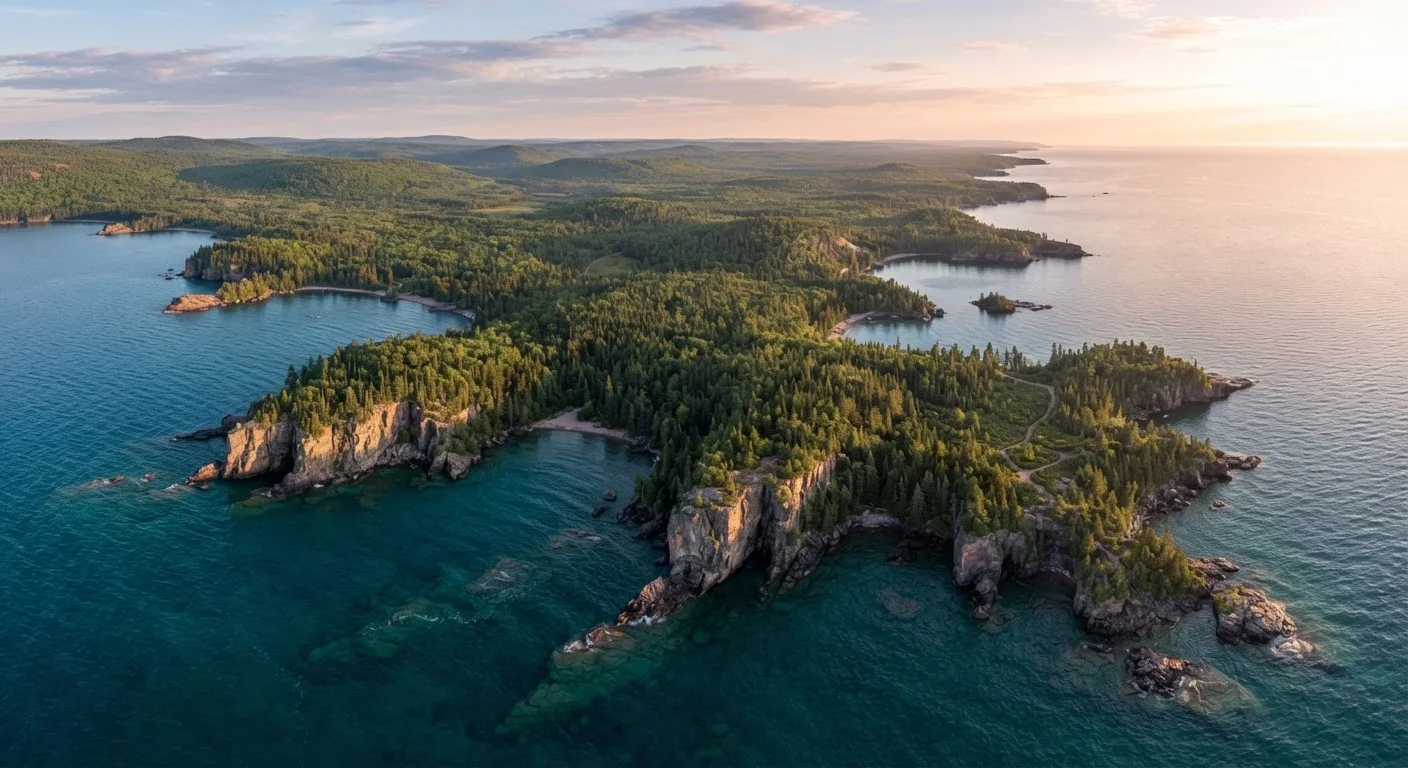
Photo credit: ArticlesHaven.net
In this article
Michigan's Upper Peninsula, Lake Superior's shoreline, and smaller lake towns offer a distinct Midwest travel experience that often goes overlooked.
Key Takeaways
- The Great Lakes region spans five distinct states and offers wildly different experiences depending on which area you visit.
- Michigan's Upper Peninsula and Lake Superior's southern shore are among the most underappreciated wilderness areas in the continental US.
- Travel costs in smaller Great Lakes towns are generally lower than coastal alternatives, especially for lodging and dining.
- Seasonal timing matters significantly - summer, fall color season, and winter each unlock different activities and access.
- Freshwater beaches, dune systems, lighthouses, and copper-mining history give the region a character all its own.
Why the Great Lakes Region Deserves a Closer Look
Most travelers who picture the Great Lakes think of Chicago - the architecture, the lakefront, the food scene. That's fair. But treating Chicago as the region's entire offering misses an enormous swath of varied, accessible, and genuinely striking Midwest geography.
The five lakes span over 700 miles. Between the Indiana dunes and the Keweenaw Peninsula, there are limestone cliffs, sand dunes taller than some East Coast barrier islands, cold clear water that rivals alpine lakes in visibility, and small towns shaped by fishing, copper mining, and timber - each with its own distinct personality.
If you're weighing this against coastal alternatives, it's worth reading about how coastal and inland destinations compare on factors like climate, cost, and activity type. For road-trippers, the Great Lakes corridor also fits naturally into underrated US road trip routes that avoid the usual coastal highways.
Plan Around Seasonal Access
Summer (late June through August) is peak season across the region - lodging fills quickly in small towns near Pictured Rocks and Sleeping Bear. Fall color season (mid-September through mid-October) offers lower prices and fewer crowds with often equal or better scenery. Winter access varies significantly; some areas close or require specialized gear, while others - like the Apostle Islands ice caves - are only accessible in winter. Check with local park services for current conditions before booking.
Destinations and Experiences Worth Evaluating
Michigan's Upper Peninsula
The Upper Peninsula - the "U.P." to locals - is one of the most scenically dense and least-visited large land areas in the Lower 48. Pictured Rocks National Lakeshore runs 42 miles along Lake Superior's southern shore, with multicolored sandstone cliffs, sea caves, waterfalls, and backcountry camping. It's accessible by kayak in summer or by snowshoe in winter, which makes it genuinely four-season depending on your tolerance for cold.
The region also carries significant cultural weight. Copper Country - centered around the Keweenaw Peninsula - preserves the remains of one of America's earliest industrial booms. Keweenaw National Historical Park interprets that history honestly, including the labor conflicts that shaped it.
Pictured Rocks offers 42 miles of sandstone cliffs and sea caves with surprisingly low visitor density.
Sleeping Bear Dunes and Northern Lake Michigan
Sleeping Bear Dunes National Lakeshore on Michigan's Lower Peninsula is easier to reach and more accessible for families, but still delivers landscapes that don't feel like a typical Midwest road trip stop. The dunes themselves rise up to 450 feet above the lake, and the views from the ridge are legitimately dramatic.
The surrounding area - Traverse City, the Leelanau Peninsula, and the Old Mission Peninsula - offers a denser travel infrastructure: wineries, farm-to-table dining, and a downtown core that's grown considerably in recent years. It's a useful anchor if you want outdoor activity without fully committing to remote wilderness camping.
Sleeping Bear's dunes rise 450 feet above Lake Michigan, offering scale that surprises first-time visitors.
The Apostle Islands, Wisconsin
Located off the tip of the Bayfield Peninsula in northern Wisconsin, the Apostle Islands are a 21-island archipelago that includes sea caves carved into brownstone cliffs. In summer, the kayaking is among the most scenic freshwater paddling in the country. In winter - when conditions allow - the sea caves freeze into elaborate ice formations that draw photographers from across the Midwest.
Bayfield itself is a small town worth a stop: it has a working fishing culture, accessible waterfront lodging, and a ferry system that reaches Madeline Island, the only Apostle island with permanent residents and a small road network.
The Apostle Islands' ice caves are a winter phenomenon that most travelers don't know exists.
Door County, Wisconsin
Door County occupies a narrow peninsula between Green Bay and Lake Michigan and has functioned as a regional getaway destination for generations of Midwest families. It's more developed than the Apostle Islands and carries a more polished tourism infrastructure - B&Bs, cherry orchards, fish boils, and a dense concentration of state parks.
For travelers who want outdoor access without full-on backcountry logistics, Door County is a reasonable entry point to Great Lakes travel. Peninsula State Park alone has over 3,700 acres with hiking, biking, and kayak access. It's not wilderness, but it's also not crowded in the way that comparable coastal destinations tend to be outside peak summer.
Door County blends accessible outdoor recreation with a mature tourism infrastructure - easier for first-time visitors.
Lake Erie's South Shore and the Lake Towns of Ohio
Lake Erie's southern shore is the most overlooked stretch of Great Lakes real estate. Towns like Sandusky, Huron, and Port Clinton sit adjacent to a surprisingly productive lake - charter fishing is a serious draw - and the Lake Erie Islands (South Bass, Kelleys Island) are accessible by ferry and offer a quieter pace than their reputation might suggest.
Kelleys Island in particular has a state park with glacially carved limestone formations called Glacial Grooves - among the largest such features in the world - that most visitors walk past without recognizing their geological significance. For travelers who factor natural history into their trips, it's an undervalued stop.
Kelleys Island holds some of the largest glacially carved limestone grooves in the world - rarely crowded.
Mackinac Island and the Straits Region
Mackinac Island sits in the Straits of Mackinac where Lakes Huron and Michigan meet. It's car-free - transportation is by horse-drawn carriage, bicycle, or foot - and the island's Victorian-era architecture and fudge shops give it a tourist-town character that some visitors love and others find too curated.
That said, the island's interior has 70% state park land, and the trail network is genuinely quiet once you move away from the waterfront. The Straits region also offers one of the more photogenic drives in the Midwest: crossing the Mackinac Bridge at dusk, with water visible on both sides, remains a distinctive road-trip moment.
Mackinac Island's interior is 70% state park - far quieter than its fudge-shop waterfront suggests.
Getting Around Requires a Car
Public transportation is minimal across most of the Great Lakes region outside Chicago and a few mid-sized cities. Renting or driving your own vehicle is essentially required for visiting the Upper Peninsula, Apostle Islands, Door County, and most other areas covered here. Factor fuel costs and driving time into your planning - distances between destinations are real, particularly once you leave major interstates.
Matching the Region to Your Travel Style
The Great Lakes region rewards travelers who know what they're looking for. Wilderness seekers and hikers will find the Upper Peninsula and Pictured Rocks genuinely remote - trail systems are less crowded than comparable national parks out West. Budget-conscious travelers will appreciate that lodging in towns like Marquette, Munising, or Traverse City generally runs well below what comparable coastal destinations charge, particularly outside peak summer weeks.
Families with young children tend to do well on Lake Michigan's eastern shore, where shallow sandy beaches and calm water are easier to manage than ocean surf. History and architecture enthusiasts have options too - the region's lighthouses, industrial-era mining structures, and small-city downtowns from Wisconsin to Ohio each tell different stories.
If you're the type of traveler drawn to regions with strong regional identity and layered character, the Great Lakes holds up well alongside destinations like the American South or the Pacific Northwest - just with less tourism infrastructure and more room to figure things out at your own pace. For those who prefer a high-wilderness experience with dramatic scale, Alaska's distinct regions remain in a different category, but the Upper Peninsula can scratch a similar itch at a fraction of the logistical complexity.
This article is for general informational and travel planning purposes only. Conditions, access, and pricing at specific destinations can change; verify current details with local tourism authorities and official park sources before traveling.

Author
Articles Haven Editorial Contributor
Articles Haven Editorial Team is the collective byline for our editorial team and contributor network. Articles published under this byline or an editorial pen name are researched, written, and reviewed according to our editorial standards for clarity, consistency, and independence before publication.
View all articles →