
New England in Every Season: How the Region Changes Throughout the Year
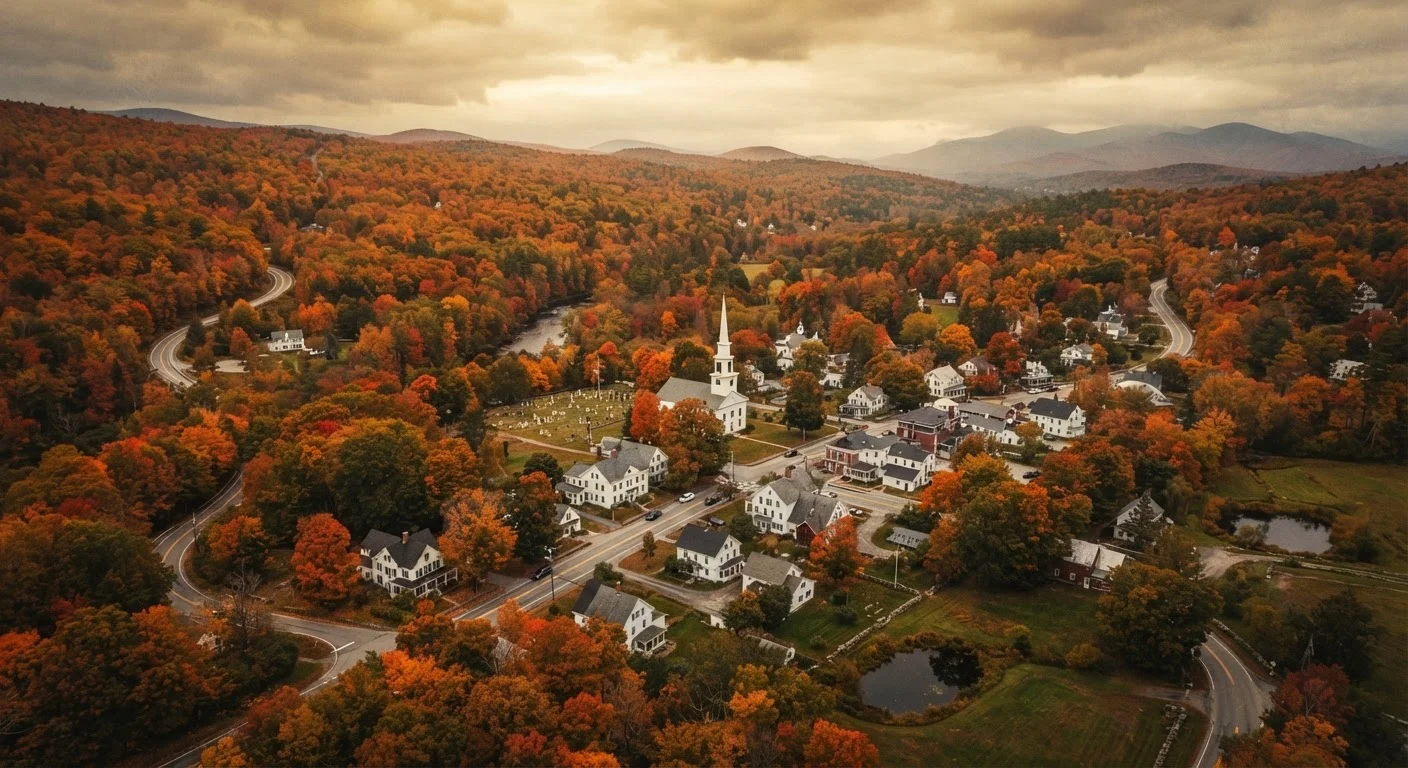
Photo credit: ArticlesHaven.net
In this article
Fall foliage gets the headlines, but New England has a distinct character in each season. A seasonal breakdown of what the region offers year-round.
How to Read New England's Seasons Before You Book
New England - spanning Maine, Vermont, New Hampshire, Massachusetts, Rhode Island, and Connecticut - is one of the most seasonally variable travel regions in the United States. What you experience in July on Cape Cod is a fundamentally different trip from what you'd find in February in Vermont or October in the Berkshires. Understanding these distinctions helps travelers match expectations to reality.
As this breakdown of travel seasons explains, peak season isn't universal - it shifts by destination and traveler goal. In New England, that's especially true. The region has four pronounced seasons, each with genuine draws and real trade-offs.
Season-by-Season Breakdown
Spring (March-May)
Spring is New England's most underestimated season. March through April can still bring snow and mud - locals call it "mud season" for a reason - but by May the region blooms reliably. Lodging rates are lower than summer peaks, crowds are thin, and coastal towns begin reopening. Wildflower hikes, maple sugaring operations (which run late winter into early spring), and Boston's cultural calendar all make this a rewarding time for budget-conscious travelers who don't need beach weather.
Summer (June-August)
Summer is peak season across the board. Coastal Maine, Cape Cod, the Berkshires, and the White Mountains all see maximum crowds and maximum prices. The weather is warm but rarely extreme - average highs in the 70s to low 80s°F across most of the region. This is the season for sailing, lobster shacks, hiking, and ferry trips to islands like Nantucket and Block Island. Book accommodations well in advance; popular spots fill months out.
Fall (September-October)
Fall foliage is New England's signature draw, and it earns the reputation. Peak color typically runs from mid-September in northern Vermont and Maine through mid-October in southern Connecticut - though exact timing shifts year to year based on temperature and rainfall. Leaf-peeping traffic is heavy, particularly on weekends, and lodging prices spike. Traveling on weekdays or targeting less-famous corridors (the Litchfield Hills in Connecticut, for example, vs. the Kancamagus Highway on a Saturday) can ease congestion significantly. As this piece on off-season misjudgments notes, shoulder timing within a popular season often delivers a better experience than the peak weekend rush.
Winter (November-March)
Winter divides travelers sharply. Ski destinations - Stowe, Killington, Sunday River, Bretton Woods - are very much in-season from December through March, with prices and availability reflecting that. Coastal and city destinations, by contrast, go genuinely quiet. Historic towns like Salem, Portsmouth, and Newport take on a different character: less crowded, more local, sometimes more authentic. Cold temperatures are real (January averages in Boston hover near 30°F; Vermont's mountains run colder), and some attractions close or reduce hours. For some travelers, the slower pace is the point. It's worth noting that extended grey winters affect some people more than others - seasonal mood shifts are well-documented and worth factoring into travel planning if that applies to you.
Practical Considerations by Traveler Type
Budget travelers generally do best in spring or early November - lower demand, open infrastructure, and no major holidays inflating prices. Families with school-age children are often locked into summer or holiday windows, which means paying peak rates; booking early is the primary lever available. Outdoor enthusiasts have options in every season: hiking in summer and fall, skiing in winter, and waterfall and birding trails in spring.
One practical note: New England's geography means conditions vary sharply even within a single state. A coastal Maine trip in May is cool and breezy; the same week in the Pioneer Valley of Massachusetts can be 20 degrees warmer. Check local forecasts, not just regional ones.
For comparison, the South operates on a very different seasonal logic - the American South as a travel region shows how humidity and heat shift peak desirability to fall and spring rather than summer.

Author
Articles Haven Editorial Contributor
Articles Haven Editorial Team is the collective byline for our editorial team and contributor network. Articles published under this byline or an editorial pen name are researched, written, and reviewed according to our editorial standards for clarity, consistency, and independence before publication.
View all articles →