
Why Travelers Often Misjudge Off-Season Destinations
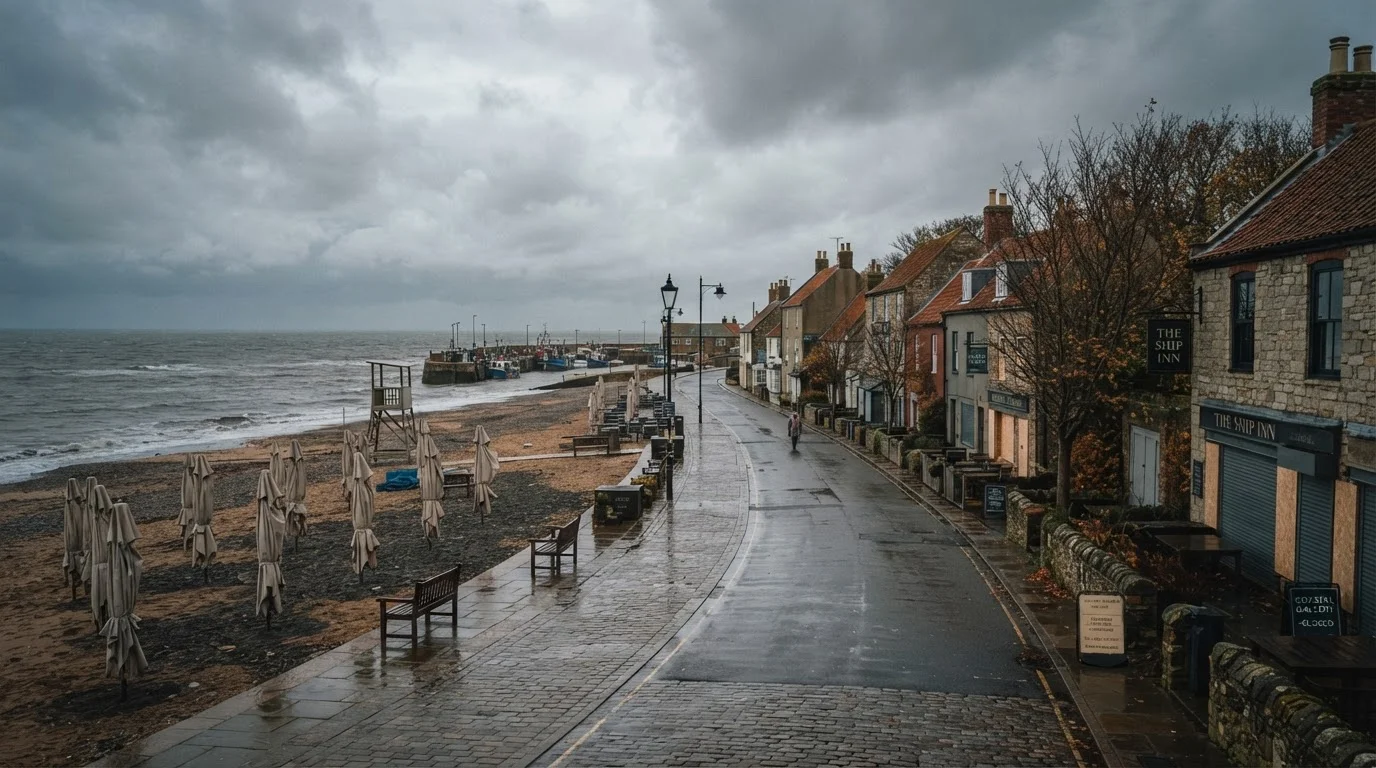
Photo credit: ArticlesHaven.net
In this article
Off-season isn't just cheaper — it's a different trip entirely. Explore the assumptions that lead travelers to overlook or underestimate low-season travel.
Key Takeaways
- Off-season doesn't mean a bad trip - it means a different trip with distinct trade-offs.
- Many travelers skip low-season destinations based on assumptions that don't hold up under scrutiny.
- Weather, closures, and crowd levels vary widely and rarely match the all-or-nothing picture travelers expect.
- Matching a destination's off-season to your travel style can produce better experiences at lower cost.
- Verifying what's actually open and accessible before booking prevents most off-season regrets.
The Off-Season Misjudgment Problem
Ask most travelers why they avoid off-season trips and the answers cluster around a few familiar fears: bad weather, closed restaurants, nothing to do. Those concerns aren't unfounded - but they're often applied too broadly, to destinations and seasons that don't actually fit the stereotype.
The result is a significant missed opportunity. Off-season travel tends to mean fewer crowds, lower accommodation costs, and a version of a place that locals actually inhabit. It can also mean a genuinely worse experience - if you've picked the wrong destination, the wrong timing, or misjudged what low season actually involves.
The key distinction is informed choice versus assumption. Most off-season mistakes aren't about the season itself - they're about travelers skipping the research and applying generic logic to destinations that don't follow generic rules. For a grounded overview of how peak, shoulder, and off-season differ by region, this breakdown of what travel season actually means is a useful starting point.
Assuming off-season means bad weather across the board.
Why it happens: Travelers generalize from a few well-known examples - hurricane season in the Caribbean, monsoon in Southeast Asia - and apply that logic everywhere.
Treating 'off-season' and 'closed' as synonymous.
Why it happens: Some tourist towns do partially shut down in low season, and those stories travel. Travelers extrapolate that experience to destinations where it doesn't apply.
Overlooking that off-season varies dramatically by destination.
Why it happens: Most travelers think in terms of northern hemisphere summer as 'high season' globally, ignoring that high season in Iceland, Thailand, and Patagonia fall at completely different times.
Underestimating how much crowd reduction changes the experience quality.
Why it happens: Travelers focus on what might be missing in low season rather than what's gained - access, spontaneity, and space that's simply not available in peak periods.
Booking without verifying which specific attractions operate year-round.
Why it happens: Travelers assume that if a destination is open, everything at the destination is open - but seasonal closures are common for tours, transport routes, and specific venues.
What Off-Season Travel Actually Costs You - and Saves You
The financial case for off-season travel is real, but it's not the whole picture. Flights and hotels often drop meaningfully in low demand periods, and timing your trip around demand cycles can reduce costs without sacrificing much in experience quality.
~30%
Typical hotel rate reduction in low season
Industry hospitality data generally shows hotel rates dropping 20-40% in off-peak periods, though variance by destination is significant.
60%+
Travelers who cite crowds as a top dissatisfier
Surveys of returning travelers consistently rank overcrowding among the leading factors that negatively affect trip satisfaction at popular destinations.
But cost savings can be offset in ways travelers don't anticipate. Reduced transport frequency, limited restaurant hours, and seasonal attraction closures can force workarounds that eat into savings. In some destinations, off-season pricing reflects a genuinely reduced experience - fewer options, less infrastructure, thinner services. In others, it simply reflects lower tourism pressure on a place that's functioning normally.
The difference matters. A mountain town in shoulder season may have full services and beautiful weather - or it may be post-snowmelt muddy with half the restaurants closed. A Caribbean island in hurricane season may see weeks of sunshine punctuated by a few stormy days - or it may see extended cloud and rain. The only way to know is to research the specific destination, not the general category. For travelers who want the middle ground between peak and off-peak, shoulder season often offers the best trade-offs.
Hurricane Season Isn't Uniform
The Atlantic hurricane season runs roughly June through November, but peak storm activity concentrates around August and September. Many Caribbean and Gulf Coast destinations see perfectly fine weather in June or late October. Treating the entire six-month window as equally risky leads travelers to either avoid the region unnecessarily or underestimate genuine risk at the wrong time. Always check historical storm frequency for the specific islands or coast you're visiting, and verify what travel insurance options are available if you're traveling during active storm months.
Making Off-Season Work for Your Travel Style
Off-season travel rewards a certain kind of traveler: someone who's flexible, willing to do more research upfront, and not dependent on every amenity being available. If your trip centers on a specific attraction, festival, or beach activity, off-season may not be the right call. If your priority is depth of experience, lower costs, and fewer crowds, it often is.
Before booking, it's worth asking a few practical questions: What's actually closed during this period? How does weather typically run - not worst-case, but typical? Is the core reason you want to visit this place still available? These questions take 30 minutes of research and prevent most off-season disappointments.
Travelers who tend to dislike off-season trips often find, on reflection, that they disliked a specific mismatch - a beach trip in a rainy window, or a walking city visited in oppressive heat - rather than off-season travel itself. Weighing peak versus off-peak trade-offs honestly before committing is the most practical step any traveler can take.
Research the Destination, Not the Category
The single most reliable predictor of off-season satisfaction is destination-specific research - not general rules about seasons or regions. A traveler who reads three recent trip reports from the exact month they're considering will make a better decision than one who relies on 'off-season is risky' or 'off-season is always worth it.' Neither blanket assumption holds. Conditions vary by destination, year, and even by week within a season.

Author
Articles Haven Editorial Contributor
Articles Haven Editorial Team is the collective byline for our editorial team and contributor network. Articles published under this byline or an editorial pen name are researched, written, and reviewed according to our editorial standards for clarity, consistency, and independence before publication.
View all articles →