
Outlet Stores vs. Main Retail Locations: Are the Goods Actually the Same
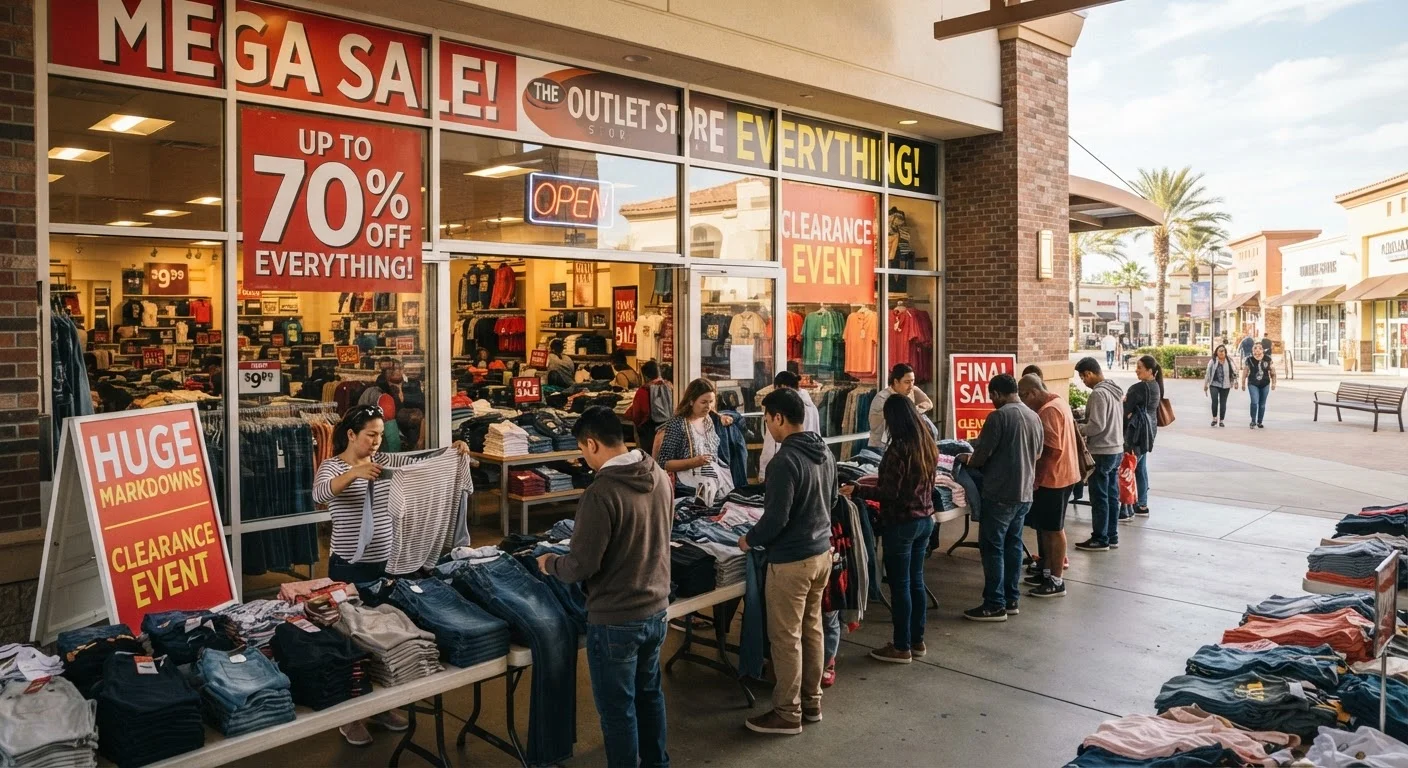
Photo credit: ArticlesHaven.net
In this article
Outlet merchandise is sometimes made exclusively for outlet channels at lower specs. Here's how to tell the difference before buying.
Key Takeaways
- Many outlet items are manufactured specifically for outlet channels at lower material or construction standards.
- Outlet-exclusive goods often carry different model numbers, making direct quality comparisons difficult.
- Genuine markdowns of full-price overstock do exist at outlets, but they are less common than shoppers assume.
- Return policies and warranty terms at outlets can differ significantly from main retail locations.
- Reading care labels, stitching quality, and model numbers helps identify outlet-made vs. original merchandise.
The Origin Story: Where Outlet Goods Actually Come From
Outlet stores were originally conceived as a way for manufacturers to offload surplus inventory - end-of-season overstock, discontinued colorways, or items returned from retailers. That original model gave outlets a genuine value proposition: real products at real discounts.
That model still exists, but it now coexists with something quite different. Many major brands now design and manufacture products specifically for their outlet channels. These items are built to hit a lower price point, which typically means adjustments to fabric weight, stitching density, hardware quality, or component materials. The finished product may look nearly identical to its full-price counterpart on the rack, but it wasn't built to the same standard.
Industry observers and investigative retail journalists have documented this practice across apparel, housewares, and footwear categories. One commonly cited signal: outlet-exclusive items often carry model or style numbers that don't match anything in the brand's main retail catalog - making apples-to-apples comparison difficult by design.
This isn't inherently deceptive - outlet pricing reflects the lower spec - but it does mean the shopper's assumption that they're getting a $200 jacket for $80 may not hold. They may be getting an $80 jacket priced accurately at $80. Understanding this distinction is the foundation of smart outlet shopping. For a broader look at how markdown language signals product origin, see our guide on clearance, closeout, and liquidation labels.
How to Tell the Difference In-Store
The good news: with a few practical checks, shoppers can often distinguish genuine overstock from outlet-manufactured merchandise before committing to a purchase.
| Criterion | Outlet Store Merchandise | Main Retail Merchandise |
|---|---|---|
| Product origin | Often outlet-exclusive manufacture | Full-line manufacturer specification |
| Model number traceability | Frequently unmatched in main catalog | Searchable across standard retailers |
| Material/construction quality | May be reduced to hit price point | Standard brand specification |
| Pricing reference accuracy | Crossed-out prices may be inflated | Reflects actual market price history |
| Return policy | Often shorter window or exchange-only | Standard brand return policy applies |
| Warranty coverage | May differ for outlet-exclusive SKUs | Full manufacturer warranty standard |
| Genuine overstock availability | Present but less common than assumed | N/A - full-price current inventory |
Check the model or style number. On apparel, this is usually on the interior tag alongside care instructions. On electronics or hard goods, it's on the box or a product sticker. Search that number against the brand's main website or a third-party retailer. If it doesn't appear anywhere in standard retail inventory, it was likely made for the outlet.
Inspect construction quality directly. Feel the fabric weight. Examine stitching at stress points - collars, pockets, seams. Check zipper and button quality on outerwear. These physical checks tell you more than any tag. Similar evaluation frameworks apply when comparing store brands to name brands - the process of reading past the label is the same skill.
Note the original price tag language. A tag showing a crossed-out retail price with no further explanation is not regulated in a standardized way across states, and the FTC has historically flagged misleading reference pricing as a concern. If the "original" price seems implausibly high relative to the current selling price and the construction quality you're observing, treat that number with skepticism.
~85%
Outlet items made specifically for outlets
Consumer Reports and retail industry analysts have estimated that the large majority of outlet merchandise at major apparel brands is manufactured exclusively for those channels, not diverted from full-price retail.
40-70%
Typical outlet discount vs. posted "original" price
Outlet discount tags often reference a manufacturer's suggested retail price that may never have applied to that specific outlet-made product, making the percentage figure misleading.
Warranties, Returns, and the Fine Print
Beyond product quality, outlet shoppers should pay attention to the policy differences that come with where they buy.
Return windows are often shorter at outlet locations, and some outlets operate under a final-sale or exchange-only policy that wouldn't apply at a main retail store. This matters most for higher-priced items where a defect discovered after the window closes creates real financial exposure.
Manufacturer warranties typically apply to the product regardless of purchase channel, but there are exceptions - particularly for outlet-exclusive SKUs that may not be covered under the same warranty terms as the main-line product. It's worth checking the warranty card or the manufacturer's website before purchase rather than assuming coverage is identical.
When Outlets Do Offer Genuine Deals
End-of-season and post-holiday periods are when authentic overstock - items that ran in full retail - is most likely to appear at outlet locations. If the model number matches a product currently or recently listed at a main retail store, and the outlet price is meaningfully lower, that's a credible discount worth acting on. The challenge is that genuine overstock and outlet-made goods sit side by side on the same rack with no obvious distinction.
For consumers who enjoy the convenience of comparing prices across channels before visiting a physical location, our piece on shopping apps vs. desktop shopping covers how pricing and perks can differ even between digital storefronts. Knowing the full-price market value of an item before walking into an outlet gives you a reliable reference point no crossed-out tag can replace.
Ultimately, outlet stores can be a genuinely smart option - but only when the shopper understands what they're actually evaluating. The discount is real; the question is whether it's a discount on the product you think you're buying. See our shopping smarter hub for more frameworks that help you make confident purchase decisions across categories.

Author
Articles Haven Editorial Contributor
Articles Haven Editorial Team is the collective byline for our editorial team and contributor network. Articles published under this byline or an editorial pen name are researched, written, and reviewed according to our editorial standards for clarity, consistency, and independence before publication.
View all articles →