
Grocery Deal Strategies That Hold Up Beyond the Weekly Circular
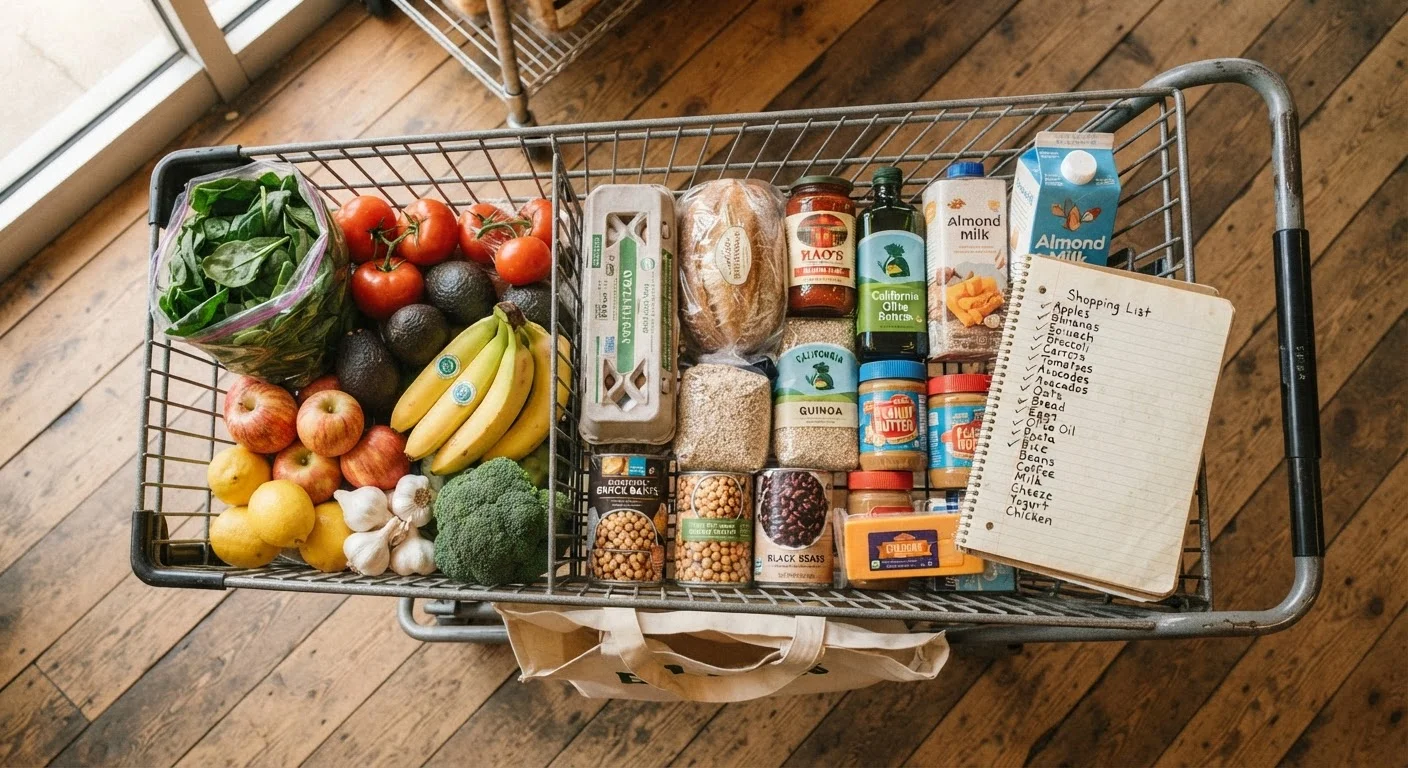
Photo credit: ArticlesHaven.net
In this article
Weekly ads only tell part of the story. These approaches to grocery savings work consistently, not just when sales align.
Key Takeaways
- Weekly circulars capture only a fraction of the savings available to an informed shopper.
- Unit price comparison, pantry stocking cycles, and store loyalty programs consistently outperform one-time sale chasing.
- Understanding markdown schedules and produce seasonality lets you plan ahead rather than react.
- Combining a few durable habits beats chasing every deal independently.
Why the Weekly Ad Is a Starting Point, Not a Strategy
The weekly circular is a marketing tool first and a savings guide second. Retailers design it to drive traffic to high-margin items alongside genuine loss leaders. If your grocery budget revolves around whatever happens to be on sale this week, you're reacting to the store's priorities rather than your own.
A more durable approach starts with understanding your household's actual consumption patterns - what you buy regularly, how quickly you use it, and what price constitutes a genuine deal versus an average one. That baseline turns a weekly ad from noise into a filter. You can recognize when a sale is meaningful instead of just noticing that something has a yellow tag.
For a broader framework on building consistent savings habits, see The Complete Approach to Smarter Everyday Spending.
~30%
Average household food waste by value
USDA research estimates that US households waste roughly 30% of the food they purchase by dollar value, making waste reduction one of the highest-leverage savings opportunities available.
2-3x
Price variation for identical items across store formats
Consumer research consistently finds that the same branded staple items can vary by two to three times in price depending on store type - conventional supermarket versus discount grocer versus warehouse club.
Core Practices That Work Across Store Types and Seasons
The following practices hold up regardless of which store you shop or what's running in this week's ad. They're structural habits, not one-off tricks.
Track unit prices rather than sale prices
A 10-oz package on sale can still cost more per ounce than the standard 18-oz version at full price. Unit price comparison cuts through packaging variation and promotional framing to show what you're actually paying for what you get. Most store shelf tags include unit pricing, but it's often in small print.
Build a pantry stocking cycle around predictable sales patterns
Many shelf-stable categories - canned goods, pasta, cooking oils, condiments - cycle through sales on rough schedules tied to seasonal demand and inventory cycles. Buying enough to last until the next sale cycle means you rarely pay full price, without overstocking or wasting.
Shop produce by season, not by recipe
In-season produce is consistently cheaper and higher quality than out-of-season alternatives shipped from afar. Planning meals around what's seasonal rather than building a fixed weekly menu and sourcing ingredients regardless of availability typically delivers both savings and better flavor.
Use store loyalty programs actively, not passively
Most major grocery chains offer digital coupons, personalized discounts based on purchase history, and points systems through loyalty accounts. These benefits only materialize if you clip digital coupons before checkout, not after. Passive sign-up without engagement typically leaves meaningful discounts unclaimed.
Compare across store formats for staple categories
Conventional supermarkets, warehouse clubs, discount grocers, and ethnic grocery stores often have dramatically different price points for specific staple categories. A single-store loyalty habit may be costing you more than you realize on high-frequency items like dairy, dried legumes, or bulk spices.
Learn your store's markdown schedule for perishables
Most grocery stores mark down meat, bakery items, and prepared foods on predictable schedules - often in the early morning or late evening before expiration or "sell by" dates. Shopping these windows for items you plan to cook or freeze that day can reduce per-meal costs substantially.
Quick Actions You Can Take Before Your Next Shopping Trip
You don't need to overhaul your entire routine at once. A few targeted actions before your next store visit can shift how much you spend without adding significant time or effort.
If you're looking to reduce food waste alongside your savings efforts, grocery shopping systems that reduce food waste offer complementary planning strategies that keep household food spending predictable.
Staying Consistent Without Chasing Every Deal
One of the quieter costs of deal-focused grocery shopping is the mental overhead. Tracking circulars across multiple stores, stacking coupons, and timing purchases to the day can become a part-time job - and it's one that often delivers diminishing returns.
Pick Two or Three Habits, Not Ten
Grocery savings strategies compound best when they're applied consistently over time rather than attempted all at once. Choosing two or three practices from this list - the ones that align with how you already shop - and sticking with them for a month will outperform a scattered attempt to do everything. Once those feel automatic, layering in one more is easy. See realistic everyday savings approaches for more on building sustainable habits without overcomplication.
The goal isn't to extract maximum value from every transaction. It's to develop a small set of reliable behaviors that reduce your average grocery spend over time without requiring constant attention. Redundant effort on low-value deals is itself a form of waste.
For more on how to filter out deal noise without missing genuine opportunities, deal fatigue and how to manage it covers the psychology and practical filters worth applying. And if you're curious how grocery savings strategies compare to saving on services, saving on services versus products breaks down where the logic differs.
“The best savings strategy is the one you'll actually use consistently. A modest habit applied every week beats an optimized system you abandon after two shopping trips.”
— Consumer economics research consensus, Reflected across behavioral economics literature on habit formation and financial decision-making

Author
Articles Haven Editorial Contributor
Articles Haven Editorial Team is the collective byline for our editorial team and contributor network. Articles published under this byline or an editorial pen name are researched, written, and reviewed according to our editorial standards for clarity, consistency, and independence before publication.
View all articles →