
The Complete Approach to Smarter Everyday Spending
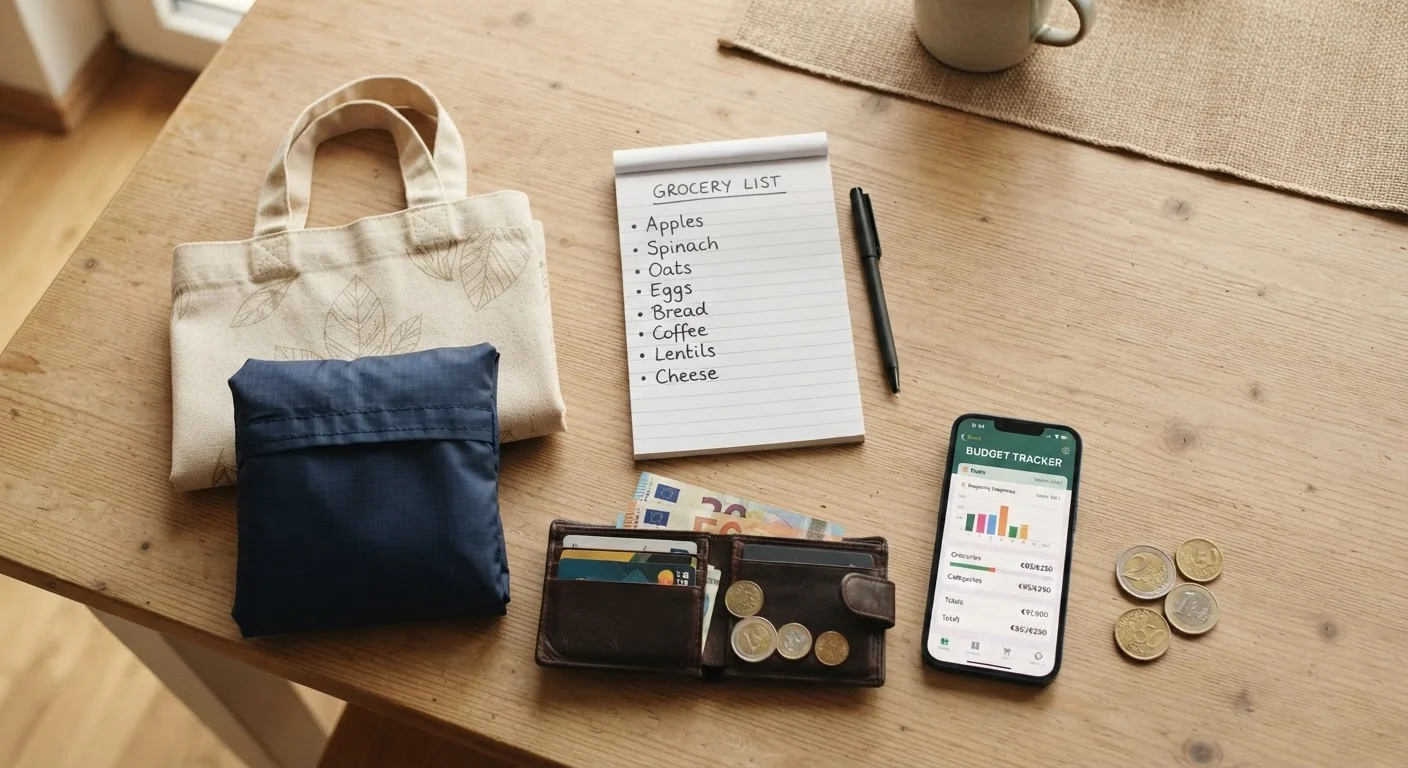
Photo credit: ArticlesHaven.net
In this article
- Why Everyday Spending Is Where Budgets Are Won or Lost
- Tracking Spending Before You Try to Cut It
- Grocery and Food Spending: Practical Strategies That Hold Up
- Subscriptions and Recurring Services: The Silent Budget Drain
- Online Shopping: Navigating Deals Without Overspending
- Building Habits That Stick Over Time
A comprehensive, practical guide to developing consistent savings habits across groceries, services, online shopping, and more.
Key Takeaways
- Most households can find meaningful savings without reducing quality of life.
- Tracking actual spending is a prerequisite to effective cost-cutting.
- Groceries and recurring subscriptions are the two highest-impact areas for most budgets.
- Intentional shopping habits reduce impulse spending and improve value per dollar.
- Consistency matters more than perfection - small adjustments compound over time.
Why Everyday Spending Is Where Budgets Are Won or Lost
Major financial decisions - a car purchase, a mortgage, a vacation - get most of the attention. But it's the quiet accumulation of everyday spending that most often determines whether a household budget stays on track or slowly erodes.
Groceries, takeout, streaming services, impulse purchases, and convenience fees occur dozens of times a month. Each transaction feels small, but the pattern they form is significant. For consumers trying to make real progress - whether that means saving for something specific or simply reducing financial stress - this is the territory that matters most.
This guide covers practical strategies across the key spending categories where everyday consumers consistently overspend or underutilize their leverage. If you're starting from scratch, this practical starting point for new savers lays the foundational concepts worth understanding first.
~$3,000
Average annual food-at-home savings potential
The USDA estimates households that meal-plan and reduce food waste can save several thousand dollars annually compared to unplanned shopping patterns.
30-50%
Extra cost added by food delivery fees
Fees, service charges, and tips on third-party delivery platforms routinely add 30-50% on top of base menu prices, according to consumer spending analyses.
2.5+
Average number of forgotten subscriptions per household
Consumer surveys consistently find that most households are paying for at least two or three subscription services they have stopped actively using.
Tracking Spending Before You Try to Cut It
Attempts to reduce spending without first understanding where money goes tend to fail. You may cut the wrong categories, underestimate recurring costs, or miss the expenses that actually drive your totals.
A spending tracker - whether a dedicated app, a spreadsheet, or even a notes file - gives you a factual baseline. Track every transaction for 30 days before making changes. Most people are surprised by what they find: subscription services forgotten about, food delivery fees that exceed restaurant costs, or routine purchases that signal lifestyle creep.
Using a spending tracker to find your biggest saving opportunities walks through exactly how to turn that data into action. For households managing broader home finances, the household budget glossary is a plain-language reference worth bookmarking.
Start With One Month, One Category
If full spending tracking feels overwhelming, start by tracking just one category - food, for example - for 30 days. Most people identify their largest inefficiencies within a single category, and early wins build momentum for broader tracking.
Grocery and Food Spending: Practical Strategies That Hold Up
Food is typically one of the two or three largest variable expenses in a household budget - and one of the most controllable. A few structural habits tend to make a consistent difference:
- Plan before you shop. A weekly meal plan reduces both over-purchasing and waste. Households that plan meals tend to spend less on groceries and significantly less on last-minute takeout.
- Use a list and stick to it. Shopping without a list is one of the most reliable ways to overspend. Store layouts are deliberately designed to encourage browsing.
- Compare unit prices, not package prices. A larger container isn't always cheaper per ounce or per serving. Check the shelf tag's unit price before assuming bulk is better.
- Limit food delivery frequency. Delivery fees, service fees, and tips can add 30-50% to a meal's base cost. Treating delivery as an occasional convenience rather than a default changes the math significantly.
Shop the perimeter of the grocery store first - produce, proteins, and dairy - before moving into the center aisles where processed and impulse items dominate. Your cart fills with essentials before the temptations.
Grocery store layouts consistently place higher-margin processed goods in center aisles. Filling the cart with planned items first reduces both overspending and nutritional drift.
Set a firm monthly cap on food delivery and treat it like any other budget line. When the cap is gone, it's gone - this one friction point alone tends to shift behavior quickly.
Delivery spending tends to be under-tracked and underestimated. A hard limit makes the cost visible and creates a natural decision point before ordering.
Subscriptions and Recurring Services: The Silent Budget Drain
Subscription billing is designed to be frictionless - which makes it easy to accumulate services you rarely use. A systematic review every three to six months is a reasonable standard practice.
When auditing subscriptions, ask two questions for each: How often do I actually use this? and Would I pay for this again if asked today? Services you'd hesitate to re-subscribe to are candidates for cancellation.
Common categories worth reviewing include streaming video and music, software tools, gym memberships, news or content subscriptions, and any free trials that auto-converted to paid plans. The goal isn't to cancel everything - it's to pay only for what delivers genuine value.
Watch for Annual Billing Traps
Many subscription services default to annual billing after a promotional period, locking you in for 12 months. Before signing up for any subscription, check whether it auto-renews and on what billing cycle. Set a calendar reminder before any trial or annual renewal date so you can evaluate the service on your terms - not theirs.
For a broader framework on household cost management, the complete guide to running a household smoothly covers budgeting alongside other management priorities.
Online Shopping: Navigating Deals Without Overspending
Online retail environments are built to accelerate purchasing decisions. Countdown timers, limited-stock warnings, and personalized recommendations are designed to reduce the pause between interest and purchase.
A few deliberate counters help:
- Use a waiting period. Adding an item to a wishlist rather than a cart and returning in 24-48 hours eliminates a significant share of impulse purchases.
- Search for coupon codes before checkout. Browser extensions that surface available codes take seconds and occasionally provide meaningful discounts.
- Check return policies before buying. Understanding return windows and conditions before purchase changes your risk calculation on uncertain items.
The informed consumer's complete guide to smarter everyday shopping goes deeper on deal evaluation, manipulation tactics, and return navigation.
“The best financial decision is often the one you slow down enough to actually make - rather than the one that just happens to you.”
— Behavioral Economics Research Summary, Documented pattern across consumer financial decision-making studies
Building Habits That Stick Over Time
The difference between consumers who consistently spend well and those who don't is usually not willpower - it's systems. Repeatable habits remove the need to make a good decision every time from scratch.
A handful of practices tend to have outsized impact: weekly budget check-ins (10-15 minutes), a defined shopping day with a set list, automatic transfers to savings on payday, and a recurring subscription audit. None of these require significant effort individually; together, they create a structure that resists drift.
Habits of intentional shoppers covers the specific behaviors that hold up across different income levels and spending contexts. For broader guidance on everything covered here, the Shopping Smarter hub is a reliable reference across all consumer decision-making topics.
Consistency Beats Intensity
A dramatic budget overhaul followed by burnout produces worse long-term outcomes than modest, consistent improvements. Focus on two or three changes at a time, let them become automatic, then build from there. Financial habits that persist are more valuable than ambitious plans that don't.

Author
Articles Haven Editorial Contributor
Articles Haven Editorial Team is the collective byline for our editorial team and contributor network. Articles published under this byline or an editorial pen name are researched, written, and reviewed according to our editorial standards for clarity, consistency, and independence before publication.
View all articles →