
What a Carrier's 'Network Management Policy' Actually Tells You
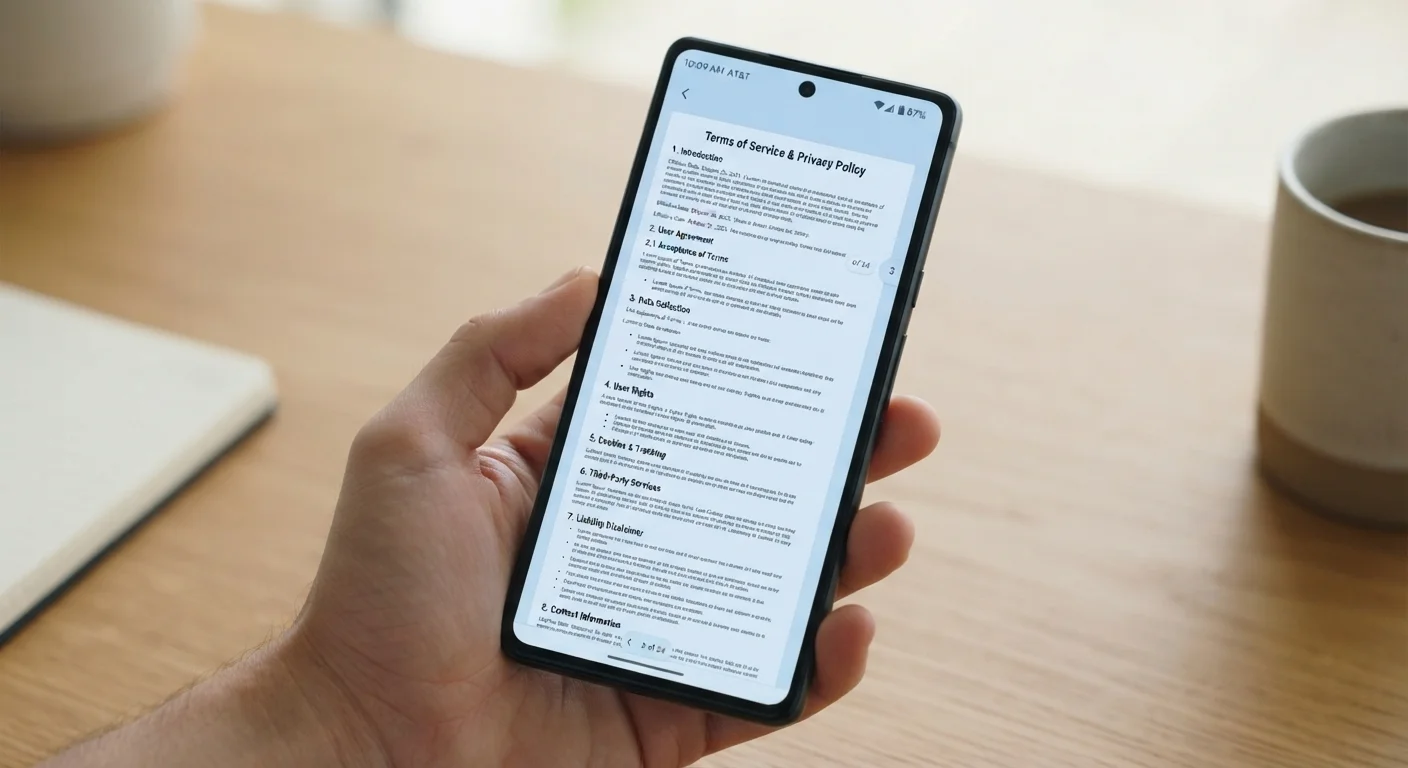
Photo credit: ArticlesHaven.net
In this article
Carriers are required to disclose how they manage network traffic. Here's how to read those policies and what the key disclosures actually mean.
Key Takeaways
- Carriers must publicly disclose how they manage network traffic under FCC rules.
- Deprioritization and throttling are different practices - and both can slow your connection.
- Unlimited plan data is rarely unlimited in practice; policies define the real ceiling.
- Video streaming speeds are often capped separately from general data speeds.
- Network management policies apply to MVNOs differently than to major carriers.
- Comparing policies side-by-side is one of the most reliable ways to evaluate a plan.
Why These Policies Exist and Where to Find Them
The FCC's transparency rules require all broadband providers - including wireless carriers - to publicly disclose how they manage their networks. The intent is straightforward: consumers deserve to know what they're paying for before signing up, not after they notice their video is buffering at 480p.
You can typically find a carrier's network management policy buried in a legal disclosures section of their website. Some carriers now also surface key details on the FCC broadband label - a standardized disclosure format modeled loosely on nutrition labels. If you're struggling to locate the policy, search the carrier's site for "broadband disclosures" or "network management."
What you find there is legally required to be accurate. That doesn't mean it's easy to read.
Policies Must Be Accurate, Not Consumer-Friendly
The FCC requires that network management disclosures be accurate and publicly accessible, but there's no requirement that they be written in plain English. Many policies are dense legal documents. Understanding the core vocabulary helps you extract the information that actually matters for comparing plans.
The Key Terms and What They Mean in Practice
Network management policies use specific language that has practical implications for your daily experience. Here are the terms worth understanding before comparing plans. For a broader reference, the phone plan glossary covers these and related concepts in more depth.
- Deprioritization: After using a set amount of data (commonly 22-100 GB depending on the plan), your traffic may be moved to the back of the queue during congestion. You keep getting data, but speeds drop when towers are busy.
- Throttling: A hard speed cap, usually applied to video streaming or after a data allotment runs out. Unlike deprioritization, this applies regardless of network load.
- Network Optimization / Traffic Management: Carrier language for practices like compressing video or routing traffic in ways that prioritize network efficiency. Often applied automatically without the consumer knowing.
- High-Speed Data Allotment: The amount of data you receive at full speed before deprioritization kicks in - the most important number on any unlimited plan.
22-100 GB
Typical deprioritization threshold on unlimited plans
Thresholds vary widely across carriers and plan tiers; always check the specific plan's network management disclosure.
480p-720p
Common video streaming cap on standard unlimited plans
Many carriers apply video resolution limits by default, with higher quality available only on premium tiers.
600 Kbps
Hotspot speed after allotment on some plans
Carrier policies often specify a much lower fallback speed for mobile hotspot data once the high-speed allotment is exhausted.
Video Streaming: A Separate Category Worth Scrutinizing
Most carrier policies call out video streaming specifically. Many plans cap video resolution - often at 480p (DVD quality) or 720p (HD) - as part of their standard network management, even on plans marketed as "unlimited." Higher-resolution streaming is sometimes available as an add-on or a premium tier.
This matters because advertised download speeds and actual video streaming quality are different things. A plan that delivers 150 Mbps in a speed test may still deliver 480p video if the carrier's policy includes video throttling. Reading the policy tells you which applies to your plan.
“Transparency requirements exist so that consumers can make informed choices. But a disclosure buried in legal language has limited practical value unless consumers know what to look for.”
— Gigi Sohn, Former FCC Chief of Staff and telecommunications policy advocate
MVNO Plans and Network Management: An Extra Layer
Mobile virtual network operators (MVNOs) lease network access from major carriers but set their own plan terms. Their network management policies may differ significantly from the host carrier's - and in practice, MVNO customers are often deprioritized below the host carrier's own subscribers during congestion, regardless of their data allotment.
This arrangement is worth understanding if you're weighing a lower-cost MVNO plan against a direct carrier plan. The network sharing and roaming agreements that underpin these services affect the real-world experience, particularly in dense urban areas or during peak hours.
Check the MVNO's Policy, Not Just the Host Carrier's
If you're evaluating an MVNO plan, look for the MVNO's own network management disclosure - not just the underlying carrier's. The MVNO's terms govern your actual experience, and they often include additional deprioritization layers or different data caps than the host carrier's direct plans.
Using Policies to Compare Plans Side-by-Side
Once you know what to look for, network management disclosures become a practical comparison tool. Pull the policy for each plan you're considering and line up three variables: the high-speed data allotment, the deprioritization trigger, and any specific speed caps on video or hotspot data.
Combine this with independent network quality data - not just carrier marketing - for a fuller picture. Our guide on evaluating carrier network quality beyond marketing walks through how to do that step by step. And if you want to understand how promotional offers interact with these plan terms, carrier promotion conditions are worth reading before committing.
The goal isn't to find a "perfect" policy - it's to make sure the plan you choose matches how you actually use your phone.
Frequently Asked Questions

Author
Articles Haven Editorial Contributor
Articles Haven Editorial Team is the collective byline for our editorial team and contributor network. Articles published under this byline or an editorial pen name are researched, written, and reviewed according to our editorial standards for clarity, consistency, and independence before publication.
View all articles →