
Unlocked Phones vs. Carrier-Locked Devices: What the Difference Means for You
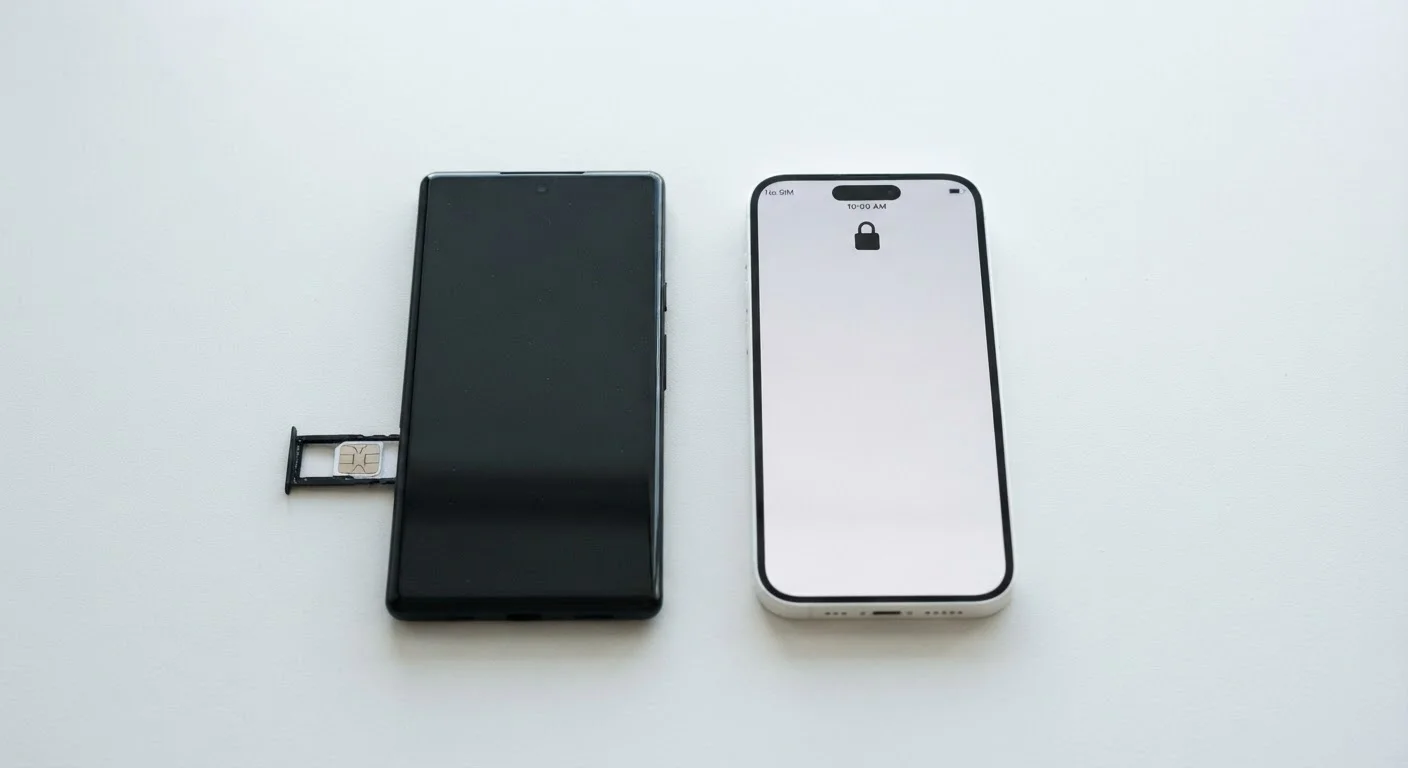
Photo credit: ArticlesHaven.net
In this article
Carrier-locked phones work only on one network. Understand what locking means, when it ends, and why unlocked devices offer more flexibility.
Key Takeaways
- Carrier-locked phones are software-restricted to work only on the carrier that sold them.
- Unlocked phones accept SIM cards from any compatible carrier, giving you more flexibility to switch.
- Most US carriers are legally required to unlock devices once financing obligations are met.
- Unlocked phones often cost more upfront but can save money over time if you switch carriers.
- Not all unlocked phones support every carrier's network bands - compatibility still needs to be verified.
- Traveling internationally is generally easier and cheaper with an unlocked device.
What Locking Actually Means
A carrier-locked phone has software installed by the carrier that restricts the device to their specific network. Insert a SIM card from a competing network, and the phone will typically display an error or simply refuse to connect. The lock isn't a hardware limitation - it's a software policy that can be removed once certain conditions are met.
An unlocked phone has no such restriction. It accepts SIM cards from any carrier whose network bands the hardware supports. That distinction - hardware compatibility versus software restriction - is important. An unlocked phone isn't automatically guaranteed to work on every US network; it still needs to support the right frequency bands. But the software barrier is gone.
Locking is most common when a carrier subsidizes or offers installment pricing on a device. It's their way of ensuring the phone stays on their network at least until the financial agreement is fulfilled. Before you commit to any new plan or device, it's worth running through a checklist - see what to check before committing to a new phone plan for the full picture.
| Criterion | Unlocked Phone | Carrier-Locked Phone |
|---|---|---|
| Network flexibility | Works on any compatible carrier | Restricted to one carrier |
| Upfront cost | Typically full retail price | Often subsidized or installment-priced |
| International SIM use | Straightforward with a local SIM | Requires unlock first |
| Switching carriers | Immediate - just swap the SIM | Must meet unlock eligibility first |
| Unlock process | Not applicable - already unlocked | Request required; conditions vary by carrier |
| Resale value | Generally higher - broader buyer pool | Lower until unlocked |
| Carrier deals & promotions | May qualify, but fewer bundled offers | Access to full range of carrier promotions |
When and How Carrier Locks Are Removed
US carriers are generally required to unlock devices upon request once the customer has met their obligations - typically paying off the installment balance or completing a minimum service period. The specifics vary by carrier, but the general principle is consistent: once you've satisfied the financial terms, the carrier must unlock the phone within a reasonable timeframe.
To request an unlock, you usually contact the carrier directly - by phone, chat, or through their website. Some carriers process unlocks automatically when conditions are met; others require a manual request. Once approved, the carrier sends a code or pushes a remote unlock to the device.
60+ days
Typical minimum service before unlock eligibility
Many major US carriers require at least 60 days of active service before a device unlock request will be approved, though terms vary.
~$800+
Average retail price of a flagship unlocked smartphone
Flagship unlocked devices commonly retail above $800, making carrier installment plans attractive for many buyers despite the trade-offs.
If you're on a carrier installment plan, the lock is directly tied to that financing. Paying off the device early can accelerate your ability to unlock. For more on how carrier financing structures work and what the real cost can look like, see how carrier financing for phones works.
Flexibility, Cost, and the Trade-Offs That Actually Matter
The core trade-off is upfront cost versus long-term flexibility. Carrier-locked phones are often priced attractively at the point of sale - through trade-in promotions, installment plans, or bundled discounts. Unlocked phones typically carry full retail price upfront, which can be a significant difference for flagship devices.
Over time, though, unlocked phone owners can shop for the most competitive plan on the market at any time. Carrier-locked users either wait for their unlock eligibility or risk losing promotional credits if they leave early. Considering a switch to a smaller carrier or MVNO (Mobile Virtual Network Operator) is much more straightforward with an unlocked phone - see how big carriers compare to MVNOs for context on what you gain and give up at each tier.
Band Compatibility Still Matters After Unlocking
An unlocked phone - or a newly unlocked carrier device - doesn't automatically work perfectly on every network. Each carrier uses specific radio frequency bands, and not every phone supports all of them. Before switching networks, verify that your phone's supported bands match the new carrier's infrastructure. This is especially relevant for rural coverage or newer 5G bands. See how to check phone compatibility with a new carrier for a practical guide.
International travel is another real differentiator. An unlocked phone lets you purchase a local SIM at your destination, often cutting international data costs substantially. A locked phone forces you to rely on your carrier's international roaming rates or a workaround like a Wi-Fi-only strategy. For network compatibility details before switching, check whether your phone works on a new carrier's network before assuming it will.

Author
Articles Haven Editorial Contributor
Articles Haven Editorial Team is the collective byline for our editorial team and contributor network. Articles published under this byline or an editorial pen name are researched, written, and reviewed according to our editorial standards for clarity, consistency, and independence before publication.
View all articles →