
How Carrier Financing for Phones Works—and When It Costs More Than You Think
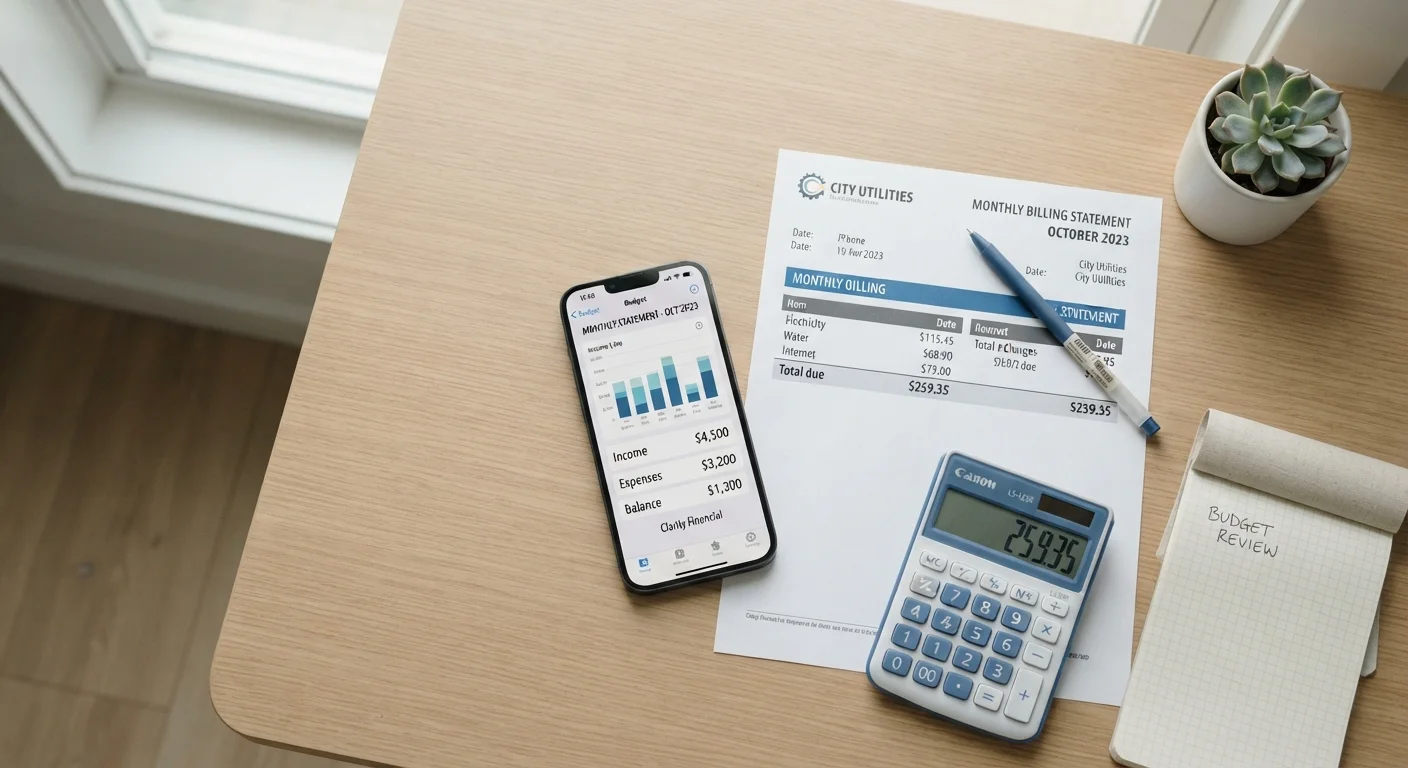
Photo credit: ArticlesHaven.net
In this article
Many carriers offer device payment plans that look interest-free. Here's how to evaluate the real cost and what to watch for in the terms.
Key Takeaways
- Carrier financing splits a phone's retail price into monthly installments, usually over 24-36 months.
- Many plans are advertised as 0% APR, but the true cost depends on plan requirements and fees.
- Switching carriers before the financing term ends typically requires paying off the remaining balance.
- Promotional credits often require staying on a specific plan tier for the full financing period.
- Buying a phone outright or unlocked can offer more flexibility, though requires more upfront cash.
- Reading the installment agreement carefully - not just the headline offer - is essential before committing.
How the Installment Model Actually Works
When you sign up for carrier financing, the carrier (or an affiliated financing partner) pays the phone's full retail price to the manufacturer and then bills you in monthly installments. A flagship phone priced at $1,000, financed over 24 months, results in roughly $41.67 added to your monthly bill. On paper, you pay the same total - and if the APR is genuinely 0%, no interest accumulates.
The installment charge appears as a separate line on your bill from your service plan. This matters when you're comparing plans: the advertised plan price often excludes the device payment. Calculating your true monthly total means adding the plan fee, device installment, taxes, and any other recurring charges together.
36 months
Maximum financing term offered by major US carriers
Several major US carriers extended financing terms from 24 to 36 months as flagship phone prices rose above $1,000, reducing monthly payments while extending the lock-in period.
$1,000+
Retail price of many current flagship smartphones
Premium flagship models from leading manufacturers commonly retail above $1,000, making installment financing a practical necessity for many consumers who don't pay upfront.
0% APR
Advertised interest rate on most carrier installment plans
Most major US carrier device payment plans advertise 0% APR, though the full cost picture depends heavily on plan requirements and promotional credit conditions.
During the financing term, the phone is typically carrier-locked, meaning it can't be used on another network. Understanding what carrier locking means for your flexibility is an important part of evaluating these offers.
Where the Hidden Costs Tend to Show Up
The most common source of confusion is the difference between a straightforward installment plan and a promotional credit offer. Many carriers structure their headline deals - including so-called "free" phones - as bill credits applied monthly rather than a direct price reduction. The device balance remains on your account in full; you receive credits each month that offset it, but only as long as you remain on a qualifying plan tier.
Read the Installment Agreement, Not Just the Ad
Before signing, ask for the full installment loan agreement - not just the promotional summary. Key things to confirm: the exact APR, the total amount financed, any plan tier requirements for promotional credits, the early payoff process, and when the device will be eligible for unlocking. These details are typically in the fine print, but carriers are required to disclose them.
If you downgrade to a cheaper plan, lose the promotional eligibility, or switch carriers, those credits stop - but your remaining device balance doesn't. You'd owe the difference. Free phone offers deserve especially close scrutiny for exactly this reason.
Additional costs to watch for include: upgrade program fees (some carriers charge a separate monthly fee to participate in annual upgrade programs), activation or upgrade fees charged at the point of sale, and insurance or protection plan upsells often presented alongside financing.
Evaluating Whether Financing Makes Sense for You
Carrier financing is genuinely straightforward in the right circumstances: you plan to stay with the carrier for the full term, the plan you're required to hold is one you'd choose anyway, and the APR is zero with no strings attached. In that scenario, spreading the cost over 24 months without interest is a reasonable choice.
Credit Checks Vary by Carrier
Some carriers perform a hard credit inquiry before approving device financing, while others use softer checks or don't check credit at all for existing customers. A hard inquiry can temporarily affect your credit score. If this is a concern, ask the carrier about their credit review process before you apply.
It becomes costly when the required plan tier is more expensive than what you'd otherwise pay, when you're likely to want to switch carriers within the financing window, or when promotional credits are contingent on conditions that are hard to guarantee. Carrier promotions often come with attached conditions that aren't prominently displayed in the headline offer.
Before committing, run through a pre-commitment checklist that covers plan flexibility, device unlock timelines, and what happens if your circumstances change. Also check whether enrolling in auto-pay is required to maintain any discount - auto-pay discounts carry their own conditions worth understanding separately.
“The monthly payment on a device financing plan is not the same as the cost of the phone. Consumers should always ask what the total they'll pay over the full term is - and what happens to that obligation if they want to leave.”
— Consumer Financial Protection Bureau, U.S. federal agency for consumer financial protection
Frequently Asked Questions

Author
Articles Haven Editorial Contributor
Articles Haven Editorial Team is the collective byline for our editorial team and contributor network. Articles published under this byline or an editorial pen name are researched, written, and reviewed according to our editorial standards for clarity, consistency, and independence before publication.
View all articles →