
SIM Cards, eSIMs, and Physical SIMs: What's Changing in US Phones
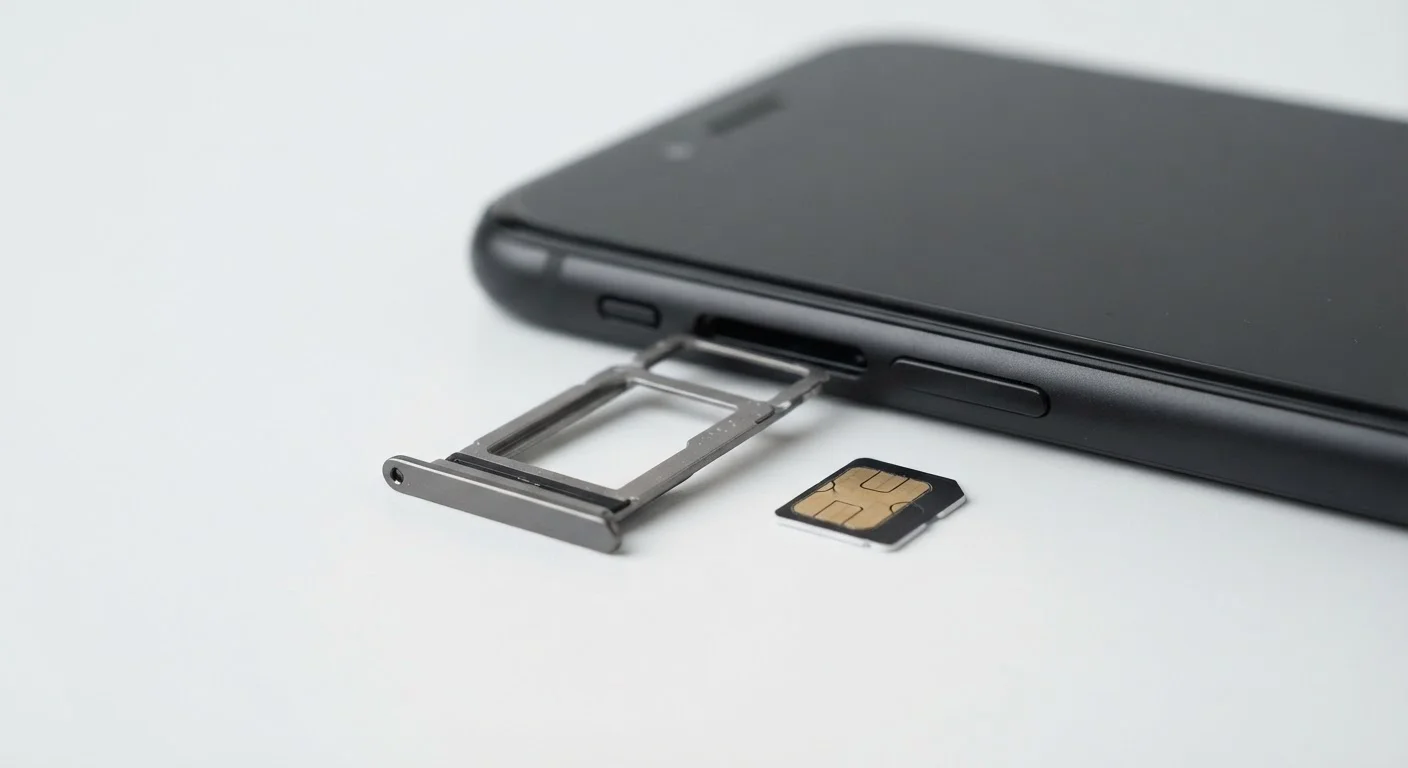
Photo credit: ArticlesHaven.net
In this article
eSIM technology is becoming standard, but physical SIMs remain common. Understand how each works and what the shift means for switching carriers.
Key Takeaways
- Physical SIMs are still widely used in the US, but eSIM support is now standard on most flagship smartphones.
- eSIMs let you switch carriers or add a second line without handling any physical hardware.
- Some US phones - notably recent iPhone models - have dropped the physical SIM slot entirely.
- Both SIM types work on the same underlying networks; the difference is in activation and portability.
- International travelers can benefit significantly from eSIM's ability to add a local carrier profile remotely.
How Physical SIMs Work - and Why They've Lasted This Long
The physical SIM card has been a staple of mobile phones for decades, evolving from a credit-card-sized chip in the 1990s down to the nano-SIM format common in today's phones. Despite its age, the format persists because it works reliably across virtually every carrier and device globally.
When you sign up with a carrier, they issue you a SIM - a chip coded with your account credentials, phone number, and network authentication data. Slide it into your phone, and you're connected. Swap it to a different unlocked phone, and that phone inherits your number and plan. That portability is the physical SIM's biggest practical advantage, and it's why many users - especially those who buy unlocked devices or switch phones frequently - still prefer it.
The downsides are mechanical: SIM trays can wear out, cards can be lost or damaged, and switching plans mid-trip means hunting for a retail store or waiting for a card to arrive. For travelers, that friction is often significant. See our guide to temporary SIM options for US visitors for a look at how prepaid physical SIMs fit into short-term travel scenarios.
Check Lock Status Before You Commit
Before assuming you can pop a new SIM - physical or eSIM - into your current phone, check whether your device is carrier-locked. A locked phone will typically reject SIM activation from any carrier other than the one it's locked to. Most carriers will unlock a device after you've completed your contract term or paid off the device in full.
What eSIM Actually Means in Practice
An eSIM (embedded SIM) is a chip soldered directly onto your phone's motherboard. Rather than swapping hardware, you activate a carrier profile digitally - typically by scanning a QR code, using a carrier app, or entering an activation code. The carrier's profile is written to the chip, and your phone is connected.
The practical benefits are real. You can add a second carrier line without a second physical slot. You can switch carriers without visiting a store. Traveling internationally, you can add a local data plan to your existing device while keeping your home number active - a workflow that's increasingly straightforward. Our article on staying connected abroad covers how eSIM fits into broader international connectivity strategies.
~50%
US smartphone users with eSIM-capable devices
Industry analysts estimated roughly half of US smartphones in active use supported eSIM as of the mid-2020s, with the share growing as older devices age out.
2022
Year the first eSIM-only US flagship launched
Apple removed the physical SIM slot from US-market iPhone 14 models in 2022, signaling a broader industry directional shift toward eSIM-primary devices.
3+
eSIM profiles storable on many devices
Most eSIM-capable phones can store multiple carrier profiles simultaneously, though only one or two can be active at any given time depending on the device.
One caveat: eSIM profiles are device-specific. Moving to a new phone means re-activating with your carrier, not just physically moving a chip. For most people, this is a minor hassle - but it's worth knowing before you assume the process is as seamless as swapping a nano-SIM.
The US Shift: Where Things Stand Now
The US market has moved faster toward eSIM adoption than most other countries, partly because US carriers have been active participants in rollout and partly because domestic phone-locking practices historically made physical SIM swapping less convenient anyway.
Several flagship Android devices and recent iPhone models now support eSIM as the primary or exclusive connection method, with the physical SIM slot reduced in size or removed entirely. That said, the majority of phones in use across the country still have a physical SIM slot - often alongside eSIM support - meaning both formats coexist in the current market.
eSIM Doesn't Change Your Network Coverage
Switching from a physical SIM to an eSIM on the same carrier plan won't affect your signal strength or coverage area. Both formats connect to the same network infrastructure. Coverage differences come from which carrier - and which towers - your plan uses, not from the SIM format itself. See our article on network sharing and roaming agreements to understand how carrier coverage actually works.
Understanding the carrier landscape behind all of this helps. Whether you're on a major network or an MVNO, the SIM type doesn't change which towers your phone uses - it only changes how you activate and manage your plan. Our plain-English overview of the US carrier landscape explains how MVNOs and major networks relate to each other.
What This Means When You're Comparing Plans
If you're evaluating wireless plans, SIM format should be a factor - but not the only one. Here's what to keep in mind:
- Device compatibility first: Confirm whether your phone supports eSIM, physical SIM, or both before assuming you can activate any plan any way you choose.
- Carrier eSIM support varies by plan tier: Some prepaid or budget-tier plans may not support eSIM activation even if the carrier offers it on postpaid accounts. Verify directly.
- Unlocked phones give the most flexibility: A phone locked to one carrier may restrict your ability to activate a competing carrier's eSIM profile, regardless of the technology.
- Number porting works the same either way: Moving your existing number to a new carrier follows the same process whether you're activating a physical SIM or an eSIM. The SIM format doesn't accelerate or complicate porting.
Before committing to any plan, run through a compatibility checklist that includes SIM type, device lock status, and network coverage in your area. Our pre-signup checklist for new phone plans covers those variables in detail.
“The eSIM transition in the US has been faster than in most markets - partly because consumers here are already accustomed to activating plans digitally rather than relying on physical retail.”
— GSMA Intelligence Analyst, Industry analyst commenting on global eSIM adoption trends
Frequently Asked Questions

Author
Articles Haven Editorial Contributor
Articles Haven Editorial Team is the collective byline for our editorial team and contributor network. Articles published under this byline or an editorial pen name are researched, written, and reviewed according to our editorial standards for clarity, consistency, and independence before publication.
View all articles →