
What Gap Insurance Covers on a Financed or Leased Vehicle
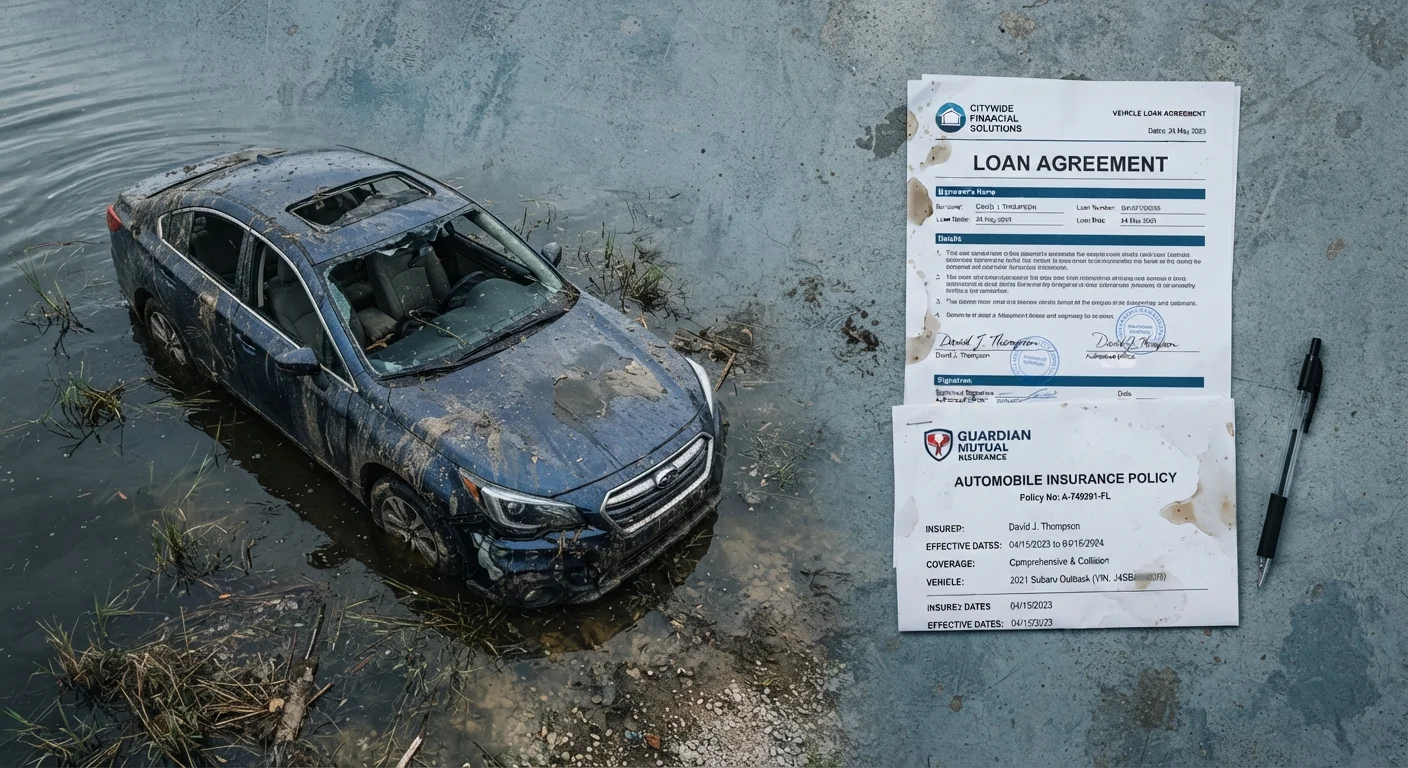
Photo credit: ArticlesHaven.net
In this article
If your car is totaled while you still owe more than it's worth, gap insurance covers the difference. Here's how it works.
Key Takeaways
- Gap insurance only pays out when your vehicle is declared a total loss - not for repairs.
- It covers the difference between the insurance payout and your remaining loan or lease balance.
- New and nearly new vehicles depreciate fastest, making gap coverage most relevant in early loan years.
- Gap insurance purchased through a dealer is typically more expensive than through an auto insurer.
- Once your loan balance drops below your car's market value, gap coverage loses its practical purpose.
The Core Problem Gap Insurance Solves
The moment you drive a new vehicle off the lot, its market value drops - sometimes by several thousand dollars in the first year alone. Meanwhile, your loan balance decreases slowly in the early months because most payments go toward interest first. The result is a period where you owe more than the car is worth, commonly called being "underwater" or "upside down" on your loan.
If your vehicle is totaled during this window - through a collision, flood, fire, or theft - your standard comprehensive or collision coverage pays out the car's actual cash value (ACV), not your loan payoff amount. That gap between the insurance check and what you still owe the lender falls on you to cover out of pocket, unless you have gap insurance.
Understanding how full coverage auto insurance works is an important first step, because gap insurance only activates on top of an existing comprehensive or collision payout - it doesn't replace either one.
~20%
Value lost by new cars in first year
Industry estimates suggest new vehicles lose roughly 15-25% of their value within the first 12 months, according to vehicle valuation analysts.
~38%
New car buyers with negative equity trades
Edmunds has reported that a significant share of new vehicle trade-ins carry negative equity, meaning owners owed more than the trade-in value.
84 months
Longest common auto loan terms today
Seven-year loan terms have become increasingly common, per Consumer Financial Protection Bureau data on auto lending trends.
What Gap Insurance Specifically Covers
Gap insurance covers one thing: the dollar difference between your insurer's total-loss payout and your remaining loan or lease balance at the time of the loss. Here's a simplified example:
- Car's actual cash value at total loss: $22,000
- Remaining loan balance: $27,500
- Standard insurance payout: $22,000
- Gap covered by gap insurance: $5,500
Without gap coverage, that $5,500 would come out of your pocket - for a vehicle you can no longer use.
It's equally relevant for leased vehicles. Lease agreements often require lessees to pay the difference between the car's residual value and its actual value at total loss. Gap coverage handles that exposure in the same way.
Check Your Lease Agreement Before Skipping Gap Coverage
Many lease contracts require gap insurance outright, or they include a form of it built into the monthly payment. Before buying a separate gap policy on a lease, read your contract to avoid paying twice for the same protection.
What gap insurance does not cover is just as important to understand. It won't pay for mechanical repairs, minor accidents that don't result in a total loss, negative equity rolled over from a previous loan, or non-vehicle charges added to your financing balance (such as extended warranties or credit insurance premiums). See common insurance coverage gaps that catch people off guard for a broader look at where policies fall short.
When Gap Coverage Is Worth Considering
Gap insurance isn't necessary for every buyer. It makes the most sense in specific financial situations:
- Small or no down payment: Less money down means a higher starting loan balance relative to the car's value.
- Long loan terms: 72- or 84-month loans build equity very slowly, extending the period you're underwater.
- High-depreciation vehicles: Some models lose value faster than average, widening the gap longer.
- Lease agreements: Lessees rarely build equity, making the coverage particularly relevant throughout the lease term.
If you paid a substantial down payment (typically 20% or more) or you're financing a used vehicle with a short remaining loan term, your loan balance may already be close to or below market value - making gap coverage an unnecessary expense.
For a deeper look at how gap coverage interacts with your financing terms, gap insurance and auto loans: when the math makes it worth considering walks through the numbers in more detail.
Where to Get It and What to Watch For
Gap insurance is available from three main sources: your auto insurer, your vehicle dealership, or your lender. Pricing varies significantly across these channels.
Adding gap coverage through your auto insurer typically costs $20-$40 per year as an add-on to an existing policy - by far the most economical option for most consumers. Dealer-sold gap products are often bundled into the loan and can cost $400-$900 upfront, increasing the amount you finance (and the interest you pay). Lenders sometimes offer their own version at a flat fee.
Dealer Gap Products vs. Insurer Add-Ons
When dealers offer gap insurance, it's often financed into the loan, meaning you pay interest on the premium for the life of the loan. Adding gap through your auto insurer as an annual add-on is generally cheaper and easier to cancel when you no longer need it. Always compare total costs - not just the quoted price - before choosing a source.
Once your loan balance drops below your car's current market value, cancel the gap coverage - you're paying for protection you no longer need. Periodically check your payoff balance against a vehicle valuation tool to track where you stand. For a broader understanding of what your overall auto policy does and doesn't cover, what insurance actually covers and what it doesn't is a useful reference.
This article is for general informational purposes only and does not constitute insurance, financial, or legal advice. Coverage terms, eligibility, and pricing vary by insurer, lender, and state. Consult a licensed insurance agent or financial adviser to evaluate options suited to your specific situation.
Frequently Asked Questions

Author
Articles Haven Editorial Contributor
Articles Haven Editorial Team is the collective byline for our editorial team and contributor network. Articles published under this byline or an editorial pen name are researched, written, and reviewed according to our editorial standards for clarity, consistency, and independence before publication.
View all articles →