
GAP Insurance and Auto Loans: When the Math Makes It Worth Considering
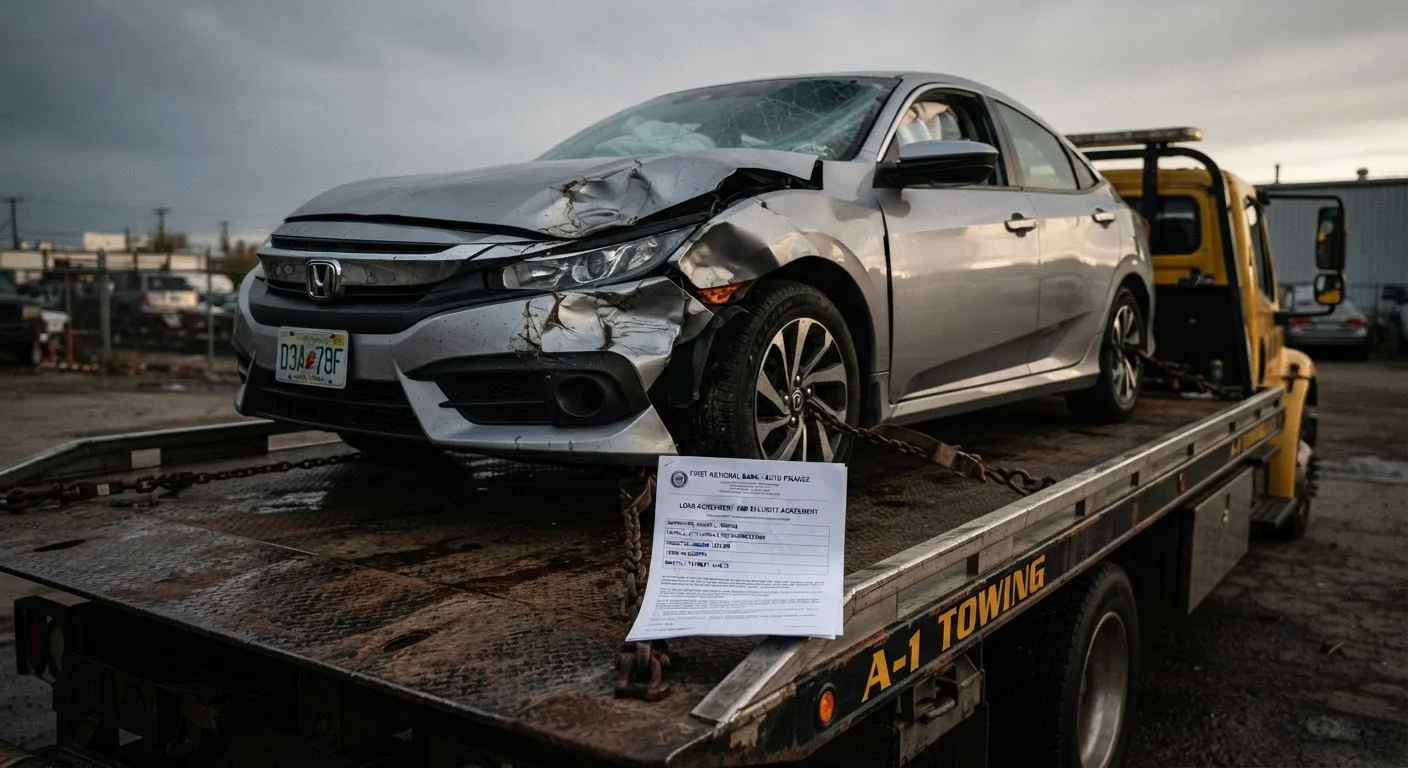
Photo credit: ArticlesHaven.net
In this article
If you owe more than your car is worth, GAP insurance can cover the difference after a total loss. Here's what it covers and when it applies.
Key Takeaways
- GAP insurance covers the difference between your loan balance and your car's actual cash value after a total loss.
- Depreciation is fastest in the first few years, which is when the loan-to-value gap is typically widest.
- GAP coverage is most valuable when you put down less than 20%, finance over 60 months, or buy a vehicle that depreciates quickly.
- Dealerships offer GAP, but lenders and insurers often provide the same coverage at lower cost.
- GAP insurance does not cover your deductible, overdue payments, or equity shortfalls from a prior trade-in.
Why the Math Gap Exists
The moment you drive a new vehicle off the lot, its market value drops - sometimes by 10-15% or more in the first year alone. Meanwhile, a standard loan amortization schedule means your early payments are weighted toward interest, not principal. The combination creates a window, often lasting two to three years, where you owe more on the loan than the car is actually worth.
Standard comprehensive and collision coverage - the policies that pay out when your car is totaled - reimburse you based on actual cash value (ACV): what the vehicle is worth at the moment of the loss, not what you paid or what you owe. If that ACV is $18,000 but your loan balance is $22,500, you're on the hook for the $4,500 difference even though you no longer have a vehicle to drive.
This is the scenario GAP insurance is designed to address. For a broader look at how standard coverage tiers interact, see our explainer on liability-only vs. full coverage auto insurance.
~20%
Typical first-year vehicle depreciation
Industry estimates commonly place new vehicle depreciation between 15-20% in the first year, based on used vehicle market data from sources such as Carfax and Edmunds.
~38%
Average depreciation over five years
Vehicles lose roughly a third to half their value within five years on average, according to automotive valuation industry data, though rates vary considerably by make, model, and market conditions.
72 months
Common maximum auto loan term
Six-year loan terms have become increasingly common in the US auto market, extending the period during which borrowers may owe more than the car is worth.
When GAP Insurance Is Worth Considering
Not every auto loan creates a meaningful gap. The coverage earns its cost in specific financing situations:
- Low or no down payment. Putting less than 20% down means the loan starts near or above the vehicle's value immediately.
- Long loan terms. Financing over 60 or 72 months stretches out principal paydown, extending the period where you're underwater.
- High-depreciation vehicles. Certain vehicle categories shed value faster than average, widening the gap further.
- Leased vehicles. Many lease agreements require GAP coverage because residual value calculations can leave significant exposure.
- Negative equity rolled in. If you owed more on a trade-in than it was worth and folded that balance into your new loan, you started underwater from day one.
If you made a substantial down payment and are on a short loan, the math may not justify the added cost - your loan balance may track closely enough with the car's depreciation that the potential gap stays small. Weighing these scenarios is part of understanding what GAP insurance covers on a financed or leased vehicle.
Check Your Loan Balance vs. Market Value First
Before purchasing GAP coverage, get a current market value estimate for your vehicle from a reputable valuation resource, then compare it to your outstanding loan payoff amount (available from your lender). If the loan balance already falls below the estimated market value, GAP coverage may no longer be necessary - and you can likely cancel any existing policy for a prorated refund.
Where to Buy It and What to Watch For
GAP insurance is available from three main sources: the dealership, your auto insurer, and the lender financing your vehicle. Prices vary significantly. Dealerships often bundle GAP into the loan itself - meaning you pay interest on the coverage cost over the life of the loan, which inflates its total price. Purchasing through your insurer or lender is typically more straightforward and less expensive.
Before agreeing to any GAP policy, check the exclusions carefully. Common exclusions include:
- Your collision or comprehensive deductible (you still pay this out of pocket)
- Overdue or deferred loan payments
- Negative equity from a prior rolled-in trade-in balance
- Extended warranties or add-ons financed into the loan
Also confirm whether the policy is cancellable. If you pay down the loan faster than expected or refinance, you should be able to cancel and receive a prorated refund for the unused portion.
GAP Does Not Replace Your Deductible
A common misconception is that GAP insurance eliminates all out-of-pocket costs after a total loss. In practice, your standard collision or comprehensive deductible still applies first - that amount is subtracted from the ACV payout before GAP calculates its portion. Some lenders offer a separate 'deductible waiver' product, but this is distinct from GAP and comes at an additional cost.
Understanding what falls through the cracks of any policy is critical - our article on insurance coverage gaps that catch people off guard explores similar blind spots across multiple coverage types.
How GAP Fits Into Your Broader Coverage Picture
GAP insurance is an add-on, not a standalone policy. It only activates after a comprehensive or collision claim has been settled. That means if you're carrying only liability coverage, GAP has nothing to build on - there's no payout for it to supplement. Full coverage (comprehensive and collision together) is a prerequisite for GAP to function. You can learn more about how those underlying policies work in our guide on comprehensive vs. collision auto coverage.
Once you've determined that your loan situation creates a meaningful gap, compare the annual cost of GAP coverage against the maximum dollar exposure you'd realistically face. If the potential shortfall is small - say, under $1,500 - self-insuring that risk by keeping reserves may be more practical. If the gap is several thousand dollars, the premium cost tends to be easier to justify.
For ongoing context on the full cost of owning and protecting a vehicle, the car ownership hub covers financing, insurance, and maintenance considerations in one place.
This article is for general informational purposes only and does not constitute financial, insurance, or legal advice. Coverage terms, exclusions, and costs vary by provider and by state. Consult a licensed insurance agent or financial adviser to evaluate options appropriate to your specific situation.
Frequently Asked Questions

Author
Articles Haven Editorial Contributor
Articles Haven Editorial Team is the collective byline for our editorial team and contributor network. Articles published under this byline or an editorial pen name are researched, written, and reviewed according to our editorial standards for clarity, consistency, and independence before publication.
View all articles →