
Uninsured and Underinsured Motorist Coverage: Why It Matters
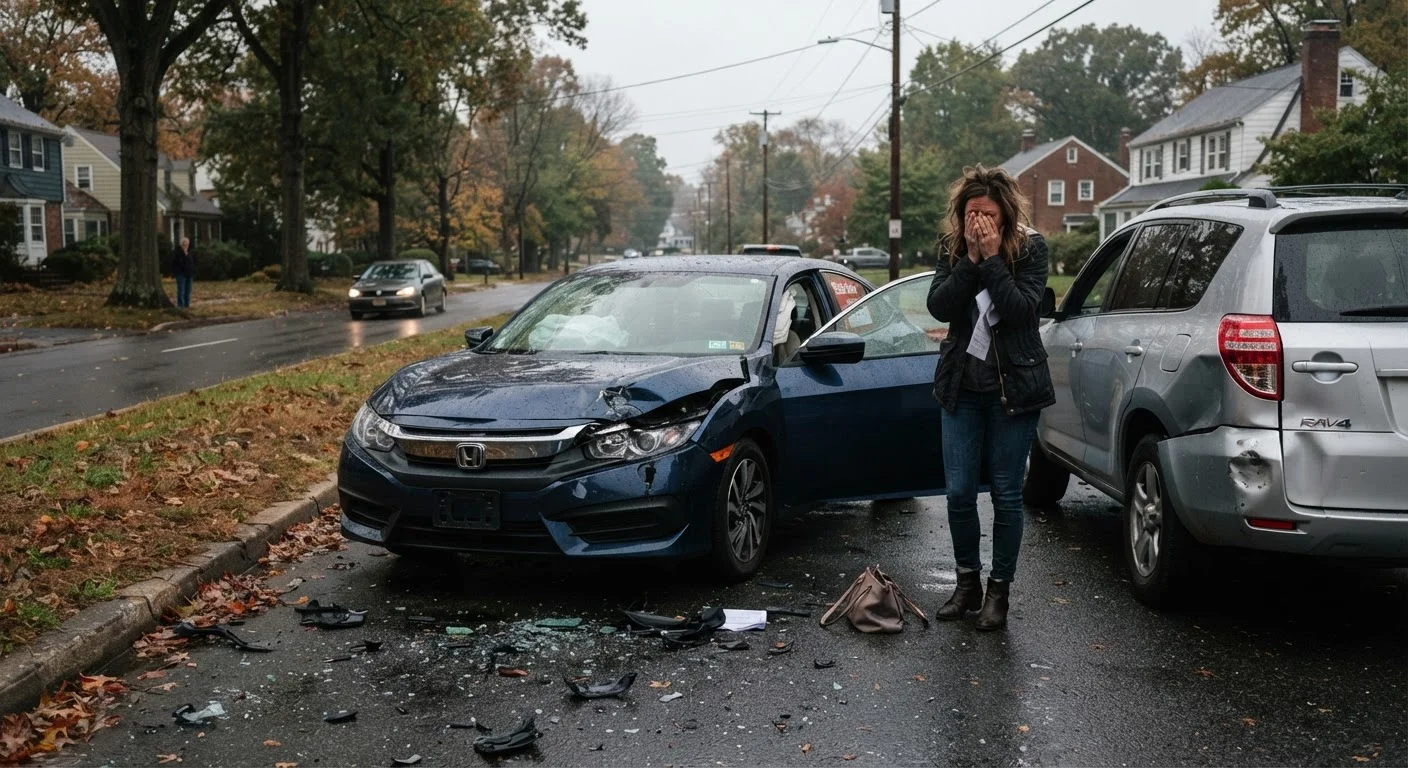
Photo credit: ArticlesHaven.net
In this article
If you're hit by a driver with no insurance or too little, this coverage protects you. Learn what it includes and why it's worth having.
Key Takeaways
- About 1 in 8 drivers on U.S. roads carries no auto insurance, according to the Insurance Research Council.
- Even insured drivers may carry limits too low to cover a serious accident - that's where UIM coverage applies.
- UM/UIM coverage typically costs a relatively small addition to your premium compared to the protection it provides.
- Some states mandate UM/UIM coverage; others make it optional but require insurers to offer it.
- UM/UIM does not replace your own health insurance but can cover costs that fall through the gaps.
The Problem These Coverages Solve
Most drivers assume that if someone else causes an accident, that person's insurance will handle the bills. That assumption holds - until it doesn't. Roughly one in eight U.S. drivers carries no auto insurance at all, according to the Insurance Research Council. Many more carry only state-minimum liability limits, which can be surprisingly low.
If you're seriously injured in a collision, medical bills, lost wages, and rehabilitation costs can climb into the tens of thousands of dollars. If the at-fault driver is uninsured or underinsured, you're left chasing compensation from someone who likely can't pay - or absorbing those costs yourself.
Uninsured and underinsured motorist coverage (often written as UM/UIM) exists to close that gap. It keeps your own policy working for you even when the other driver's coverage fails. For a broader look at how different coverage types fit together, see Car Insurance Coverage Types: A Plain-English Reference.
1 in 8
U.S. drivers estimated to be uninsured
According to the Insurance Research Council, approximately 12.6% of drivers in the U.S. are uninsured.
$25,000
Common state minimum liability limit for bodily injury
Many states set their per-person bodily injury liability minimums at $25,000 - an amount that can be exhausted quickly in a serious accident.
How Each Type Works
Uninsured Motorist (UM) Coverage activates when the driver who caused the accident has no insurance at all. It typically covers your medical bills, lost income, pain and suffering, and - in many states - funeral costs. Some policies extend to incidents where the at-fault driver flees the scene and can't be identified (hit-and-run), though this varies by state and policy.
Underinsured Motorist (UIM) Coverage applies when the at-fault driver does have insurance, but their liability limits are too low to cover your full losses. Your UIM coverage bridges the gap between what their policy pays and what you're actually owed, up to your own UIM limit.
For example: if your medical costs total $80,000 and the at-fault driver carries only $25,000 in liability coverage, your UIM policy could cover the remaining $55,000 - assuming your limit is high enough. This distinction matters, and it's worth reading your declarations page carefully. See The Difference Between Being Insured and Being Adequately Insured for more on why limits matter.
Match Your UM/UIM Limits to Your Liability Limits
A widely cited rule of thumb is to set your UM/UIM limits equal to your liability coverage limits. If you carry $100,000/$300,000 in liability, consider matching that with your UM/UIM. This creates a more balanced safety net. Discuss specific limits with a licensed agent who knows your financial situation.
Property Damage vs. Bodily Injury
UM/UIM coverage typically splits into two components: bodily injury and property damage. Bodily injury UM/UIM is the core protection - it covers medical expenses, rehabilitation, and related costs for you and your passengers. Property damage UM (UMPD) covers repairs to your vehicle when an uninsured driver is at fault.
Not every state requires or even offers UMPD. In states where it's not available, collision coverage on your own policy generally handles vehicle repairs regardless of fault. If you're weighing minimum coverage against fuller protection, State Minimum vs. Full Coverage Auto Insurance lays out the trade-offs plainly.
UM/UIM Is Not a Substitute for Health Insurance
Uninsured motorist coverage can cover accident-related medical expenses, but it is not a replacement for comprehensive health insurance. Health insurance covers a far broader range of medical situations. UM/UIM is specifically tied to auto accidents and operates within the terms of your auto policy.
State Rules and What to Ask Your Insurer
UM/UIM requirements vary significantly by state. Some states - including New York, Michigan, and North Carolina - mandate both coverages. Others require insurers to offer them but allow drivers to reject them in writing. A handful treat both as fully optional. This patchwork means you can't assume your current policy includes UM/UIM without checking.
When reviewing your policy, ask your agent or insurer these questions:
- Does my current policy include UM and UIM coverage?
- Are they combined into one limit or separate?
- Does my UM coverage include property damage (UMPD)?
- Does my UM/UIM cover hit-and-run incidents in my state?
- What deductible, if any, applies?
For a foundational overview of how policies are structured, Auto Insurance Basics: What Every Driver Needs to Know is a useful starting point. And if you want to understand where coverage surprises typically lurk, What Insurance Policies Don't Cover is worth a read.
This article is for general informational purposes only and does not constitute insurance, legal, or financial advice. Coverage rules, requirements, and terms vary by state and insurer. Consult a licensed insurance agent or your state's department of insurance for guidance specific to your situation.
Frequently Asked Questions

Author
Articles Haven Editorial Contributor
Articles Haven Editorial Team is the collective byline for our editorial team and contributor network. Articles published under this byline or an editorial pen name are researched, written, and reviewed according to our editorial standards for clarity, consistency, and independence before publication.
View all articles →