
Umbrella Insurance: What It Adds on Top of Your Existing Policies
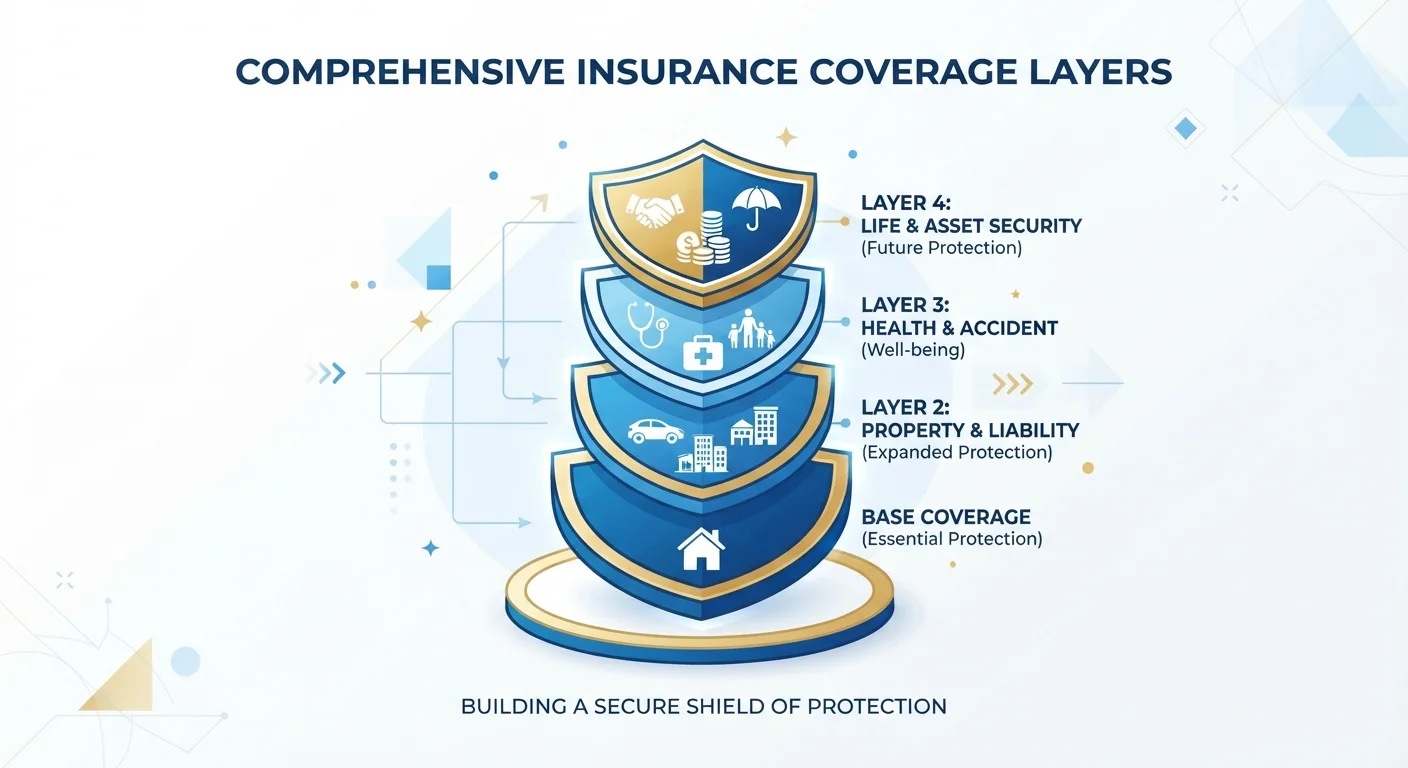
Photo credit: ArticlesHaven.net
In this article
Umbrella policies extend liability protection beyond standard home and auto limits. Learn when this extra layer of coverage makes sense.
Key Takeaways
- Umbrella insurance only activates after your standard policy's liability limit is exhausted.
- Coverage generally applies to lawsuits, bodily injury claims, and certain personal liability situations.
- Most umbrella policies require you to already carry home or auto liability insurance as a prerequisite.
- Coverage typically starts at $1 million and can extend much higher for relatively modest annual premiums.
- Umbrella policies do not cover your own medical bills, property damage, or business-related liabilities.
How Umbrella Insurance Fits Into Your Coverage Stack
Think of your insurance coverage as a series of layers. Your auto and home policies each carry a liability limit - the maximum amount the insurer will pay if you're found responsible for an accident or injury. Once that cap is hit, any remaining costs fall to you personally.
That's exactly where an umbrella policy steps in. It sits above your existing policies and picks up liability costs that exceed your standard limits. It doesn't duplicate what you already have - it extends how far that protection goes.
For a fuller picture of how standard liability coverage works before the umbrella layer, see our article on liability vs. full coverage auto insurance. And for broader context on how insurance policies are structured, understanding what you're buying is a useful starting point.
$1M+
Typical starting coverage amount for umbrella policies
Most insurers offer umbrella policies beginning at $1 million in additional liability coverage, with options to purchase more.
$300K-$500K
Common auto liability limit before umbrella activates
Insurers often require policyholders to carry minimum underlying auto liability limits in this range before approving umbrella coverage.
What Umbrella Policies Actually Cover
Umbrella policies are focused almost entirely on liability - what you legally owe others, not what happens to you or your property. Common covered scenarios include:
- A serious car accident where medical or legal costs exceed your auto policy's liability limit
- A guest injured on your property who sues for more than your homeowner's liability covers
- Defamation, libel, or slander claims filed against you personally
- Certain incidents that occur away from your home or vehicle
What umbrella insurance generally does not cover is just as important to understand. Your own injuries, damage to your own property, business liability, and intentional misconduct are typically excluded. Always review the specific policy exclusions - coverage terms vary by provider and state.
Policy Wording Matters Significantly
Umbrella policies are not standardized the way some other insurance products are. Covered perils, exclusions, and geographic scope can differ meaningfully from one insurer to the next. Before purchasing, carefully review the declarations page and exclusions section - or ask a licensed agent to walk you through what is and isn't included.
Who Typically Considers This Type of Coverage
Umbrella coverage isn't only for high-net-worth households, though asset protection is a common motivation. Liability judgments can exceed standard policy limits in many everyday situations - a multi-vehicle accident, a serious slip-and-fall, or even an online post that results in a defamation claim.
People who often evaluate umbrella policies include homeowners with pools, trampolines, or dogs; those who frequently host guests; drivers with long daily commutes; landlords; and anyone with significant savings or investments they want to shield from a large judgment.
If you're already thinking about where gaps exist in your coverage, the Coverage & Costs hub offers broader context on how limits, deductibles, and premiums interact across policy types.
Understanding the Prerequisites and Limits
To qualify for umbrella coverage, insurers typically require you to carry minimum liability limits on your underlying home and auto policies. If your current limits are below those thresholds, you may need to raise them first - which could affect your overall premium picture.
Coverage amounts generally start at $1 million and can go substantially higher. The right amount depends on factors like your total assets, income, and the specific risks in your lifestyle.
Match Your Umbrella Limit to Your Net Worth
A common rule of thumb is to carry at least enough umbrella coverage to equal your total net worth - since that's roughly what's at stake in a serious liability judgment. Discuss the right amount with a licensed insurance agent who can review your full financial picture and the risks specific to your lifestyle.
It's also worth knowing that umbrella insurance is distinct from supplemental insurance, which addresses gaps in health or income coverage rather than third-party liability. For a comparison of how supplemental plans work, see supplemental health insurance explained.
For more detail on when umbrella coverage becomes particularly relevant - including how it interacts with different underlying policies - see when standard policy limits aren't enough.
This article is for general informational purposes only and does not constitute personalized insurance, financial, or legal advice. Coverage terms, eligibility, and premiums vary by insurer, policy, and state. Consult a licensed insurance agent or adviser to evaluate your specific situation.
Frequently Asked Questions

Author
Articles Haven Editorial Contributor
Articles Haven Editorial Team is the collective byline for our editorial team and contributor network. Articles published under this byline or an editorial pen name are researched, written, and reviewed according to our editorial standards for clarity, consistency, and independence before publication.
View all articles →