
Insurance Policies Explained: What You're Actually Buying
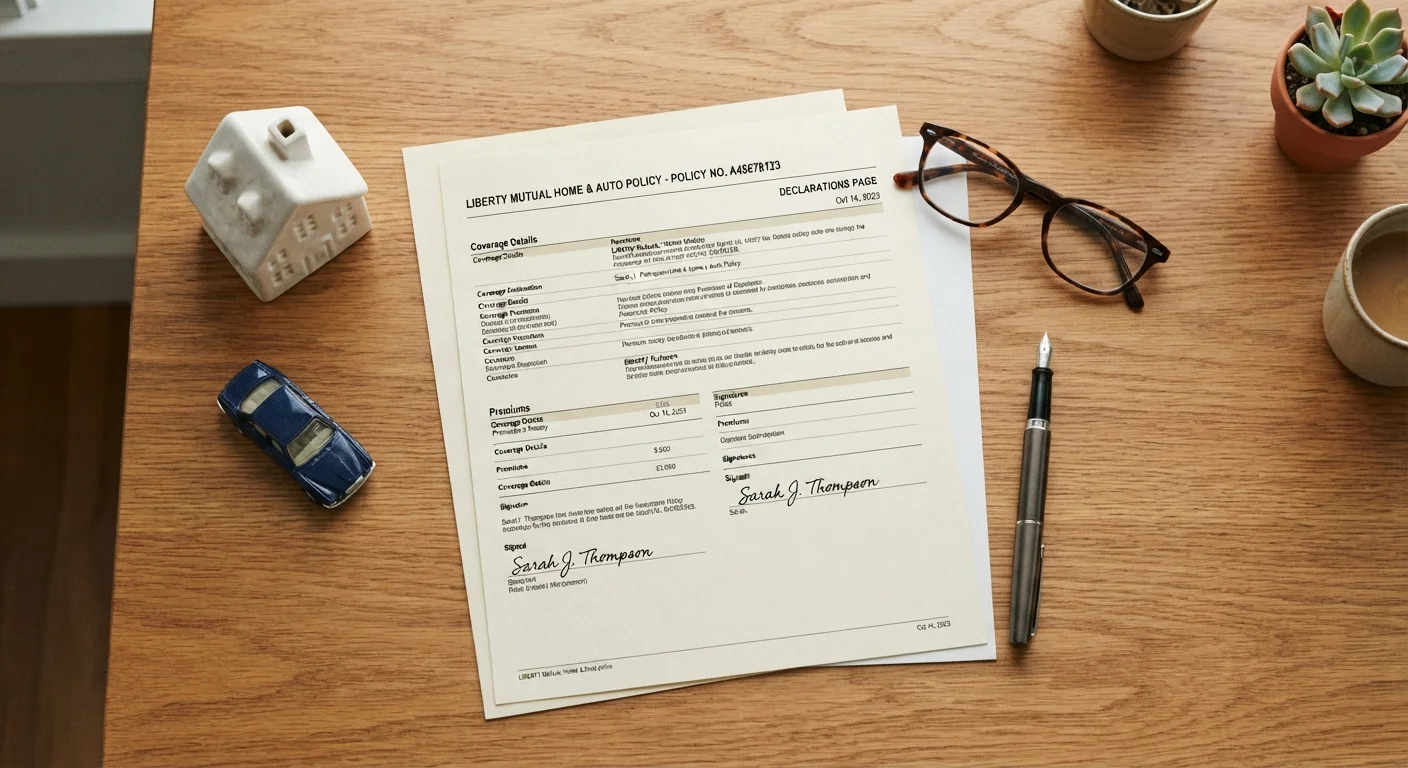
Photo credit: ArticlesHaven.net
In this article
Cut through the jargon and understand what an insurance policy really is, what it covers, and what the key documents mean.
Key Takeaways
- An insurance policy is a legal contract - not just a promise to help when things go wrong.
- Every policy has a declarations page, coverage terms, exclusions, and conditions that together define what is covered.
- Exclusions are as important as coverage - they define what the insurer will NOT pay for.
- Premiums, deductibles, and coverage limits are interconnected and affect your real out-of-pocket costs.
- Reading the actual policy document - not just the summary - is the only way to know what you are buying.
What You're Actually Buying When You Purchase Insurance
Most people think of insurance as a safety net - you pay monthly, and if something bad happens, the insurer writes you a check. That's broadly true, but the details matter enormously. What you're actually buying is a contract with specific terms, and those terms determine whether a claim gets paid.
Insurance policies are divided into named sections. Understanding what each section does helps you compare policies accurately - not just by price, but by what protection they actually provide. See our overview of insurance types to understand how these contracts differ across health, auto, home, and life coverage.
40%
Americans who misunderstand their policy's coverage
A survey by the Insurance Information Institute found roughly 4 in 10 U.S. consumers are unsure what their insurance policy actually covers.
1 in 3
Homeowners lacking flood coverage
The Federal Emergency Management Agency (FEMA) estimates a large proportion of homeowners in flood-prone areas carry no flood insurance, partly because standard policies exclude it.
60%+
Policyholders who never read their full policy
Industry research consistently finds that a majority of policyholders rely on summaries or agent explanations rather than reading their full policy document.
The Core Parts of Any Insurance Policy
While policies differ by type and insurer, nearly every one shares the same structural sections:
- Declarations Page ("Dec Page"): The summary sheet at the front. It lists your name, the insured property or risk, policy period, coverage amounts, and premium. This page is useful for quick reference but doesn't contain the full terms.
- Insuring Agreement: The section where the insurer states what it agrees to cover. This is the core promise - read it carefully to understand the scope of protection being offered.
- Definitions: Insurance contracts define key terms precisely. A word like "damage" or "occurrence" may have a narrower legal meaning inside the policy than it does in everyday speech.
- Exclusions: What the policy does not cover. This section is just as important as the insuring agreement. Common exclusions include intentional acts, certain natural disasters, and pre-existing conditions depending on the policy type.
- Conditions: Your obligations as a policyholder - such as reporting claims promptly, cooperating with investigations, or maintaining the insured property. Failing to meet conditions can void a claim.
- Endorsements / Riders: Attachments that modify the base policy. They can add coverage, remove it, or change limits. Always read endorsements as part of the full contract.
For a deeper walkthrough of each section, see how to read an insurance policy without getting lost.
Policy Language Is Legally Binding
The words in your policy are a legal contract, not just a guide. Courts have ruled on the precise meaning of single words in insurance disputes. If a term is defined in the policy's Definitions section, that definition - not the everyday dictionary meaning - controls how a claim is evaluated. When in doubt, ask your insurer or agent for a plain-language explanation in writing.
Coverage Limits, Deductibles, and What They Mean for Claims
Three numbers shape how useful your policy actually is:
- Coverage limit: The maximum the insurer will pay for a covered loss. If repair costs exceed the limit, you pay the difference out of pocket.
- Deductible: The amount you pay first before the insurer contributes. A higher deductible typically means a lower premium - but more financial exposure at claim time.
- Premium: Your regular payment to keep the policy active. Missing payments can result in cancellation and loss of coverage.
These three variables are interconnected. Choosing a policy solely on premium cost without reviewing the deductible and coverage limits is one of the most common mistakes consumers make. Our companion explainer on premiums, deductibles, and limits breaks each term down in plain language.
Run a Simple Worst-Case Scenario Before Buying
Before choosing a deductible level, ask: if I filed a claim tomorrow, could I cover this deductible without financial strain? A policy with a low premium but a $5,000 deductible offers little practical relief for small losses. Matching deductible size to your actual savings cushion is a practical starting point for any policy comparison.
What Exclusions and Conditions Mean in Practice
Exclusions are where many claim disputes originate. Insurers draft exclusions carefully, and courts often interpret ambiguous language in favor of the policyholder - but the safest approach is to understand exclusions before a loss occurs, not after.
Common exclusion categories include:
- Intentional or criminal acts by the insured
- Wear and tear or lack of maintenance
- Specific natural events (flood and earthquake are frequently excluded from standard homeowner's policies)
- Business activity conducted from a personal property
Conditions, meanwhile, describe what you must do to keep coverage valid. A home insurance policy may require that you notify the insurer within a set number of days after a loss. Auto policies often require you to cooperate with any investigation. Breaching a condition - even unintentionally - can give an insurer grounds to deny a claim.
For a comprehensive reference on terms you'll encounter across policy types, the insurance terms glossary is a useful bookmark.
“The time to read your insurance policy is before you need it, not when you're standing in front of a claims adjuster wondering why something isn't covered.”
— J. Robert Hunter, Former Insurance Commissioner and Director of Insurance, Consumer Federation of America
How to Compare Policies Without Getting Lost in the Details
When comparing policies, focus on these factors in order:
- What is specifically covered? Match the insuring agreement against your actual risk exposure.
- What is excluded? Check whether any exclusion eliminates protection you assumed you had.
- What are the limits and deductibles? Run a quick worst-case scenario - can you cover the deductible if a claim happens tomorrow?
- What are the conditions? Know your obligations before you need to file.
Summaries and quote comparison tools are helpful starting points, but they don't replace reading the actual policy. Before you sign, review the full document. Our guide on reading an insurance policy before you sign walks through what to focus on.
This article provides general information about insurance policies for educational purposes only. It is not personalized insurance, financial, or legal advice. Coverage, terms, and regulations vary by provider, policy type, and state. Always read your full policy documents and consult a licensed insurance agent or adviser for guidance specific to your situation.
Frequently Asked Questions

Author
Articles Haven Editorial Contributor
Articles Haven Editorial Team is the collective byline for our editorial team and contributor network. Articles published under this byline or an editorial pen name are researched, written, and reviewed according to our editorial standards for clarity, consistency, and independence before publication.
View all articles →