
Homeowners Insurance vs. Renters Insurance: Key Differences
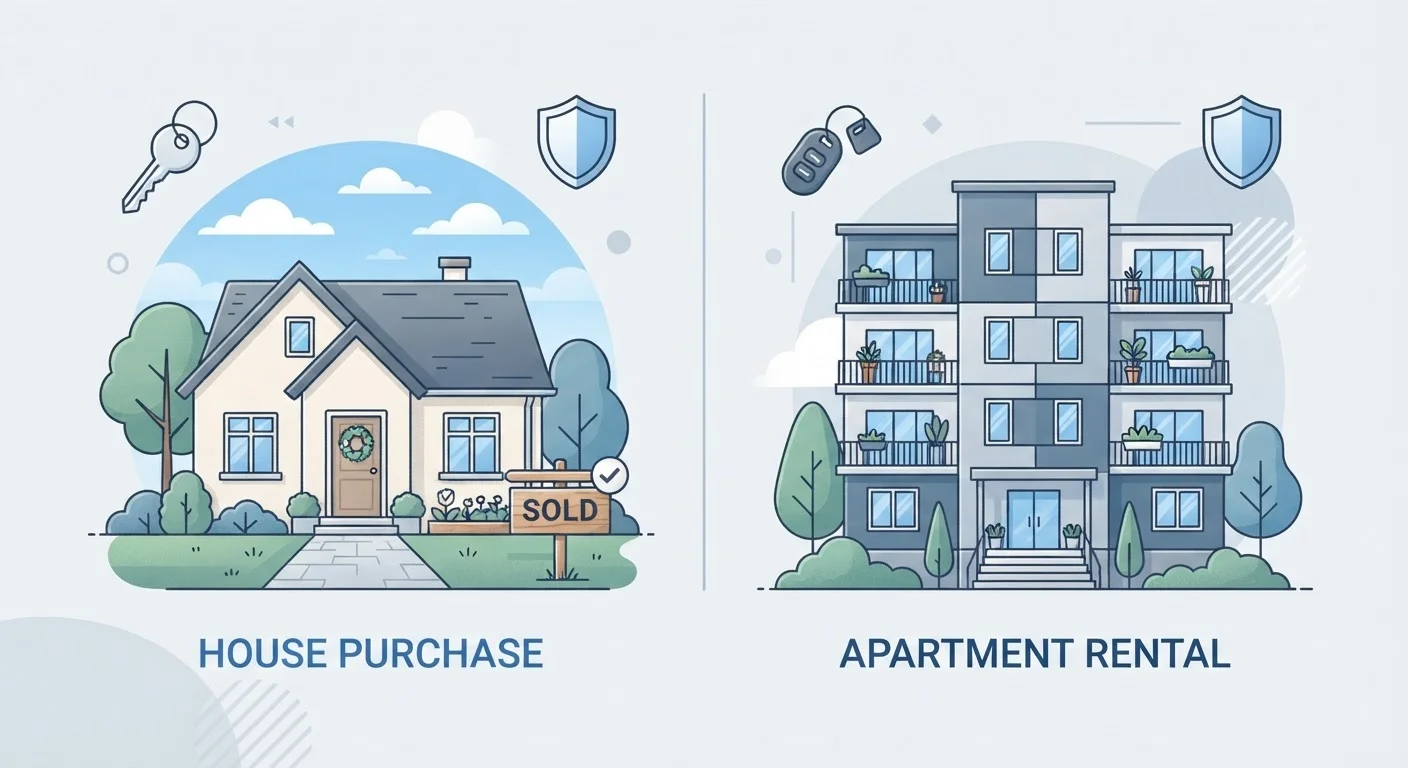
Photo credit: ArticlesHaven.net
In this article
Homeowners and renters insurance protect different things. Here's a clear breakdown of what each policy covers and who needs it.
Key Takeaways
- Homeowners insurance covers the physical structure of a home; renters insurance does not.
- Both policy types typically include personal property coverage and personal liability protection.
- Renters insurance is generally much less expensive than homeowners insurance.
- A landlord's insurance policy does not cover a tenant's personal belongings.
- Neither standard policy automatically covers flood or earthquake damage.
The Core Distinction: What Each Policy Actually Covers
The single biggest difference between homeowners and renters insurance comes down to one question: do you own the structure you live in?
Homeowners insurance is designed for property owners. It covers the dwelling itself - the walls, roof, foundation, and attached structures like a garage - along with personal belongings inside and personal liability. Because the policyholder owns the physical structure, the insurer takes on the risk of repairing or rebuilding it after a covered event such as fire, windstorm, or vandalism.
Renters insurance covers tenants who don't own the building they occupy. It protects personal property inside the rented unit and provides personal liability coverage - but it does not cover the physical structure. That responsibility falls to the landlord's own insurance policy. Importantly, a landlord's policy generally offers no protection whatsoever for a tenant's personal belongings. If a pipe bursts and damages your furniture and electronics, that's your loss to absorb unless you carry renters insurance.
For a deeper look at how dwelling coverage and personal property coverage interact within a homeowners policy, see our breakdown of dwelling vs. personal property coverage.
| Criterion | Homeowners Insurance | Renters Insurance |
|---|---|---|
| Covers the physical structure | Yes | No |
| Covers personal belongings | Yes | Yes |
| Personal liability coverage | Yes | Yes |
| Typical annual cost (general range) | Higher - reflects structure risk | Lower - no structure coverage |
| Required by lender or landlord | Usually required by mortgage lender | Sometimes required by landlord |
| Flood damage covered | Not by default | Not by default |
| Who it's designed for | Property owners | Tenants |
Cost and Coverage Limits: What to Expect
Cost is one area where the two policy types diverge significantly. Homeowners insurance premiums reflect the cost of potentially rebuilding an entire structure, which makes them considerably higher. Renters insurance, covering only personal property and liability rather than a building, tends to cost far less per year.
~$1,400
Average annual homeowners insurance premium (US)
The Insurance Information Institute estimates the average US homeowners premium is roughly in this range, though it varies widely by location, home value, and coverage level.
~$170
Average annual renters insurance premium (US)
The Insurance Information Institute reports that renters insurance is among the least expensive personal insurance products, with national averages well under $200 per year.
55%
Renters who carry renters insurance
Industry survey data suggests only about half of US renters carry renters insurance, leaving many tenants without protection for their personal belongings.
Coverage limits work differently too. A homeowners policy sets a dwelling coverage limit tied to the estimated rebuild cost of the home - often hundreds of thousands of dollars. Personal property limits on both policy types are typically set as a percentage of the overall coverage or a flat dollar amount chosen at purchase. Both types may offer replacement cost value (paying what it costs to buy a comparable new item) or actual cash value (accounting for depreciation). Replacement cost coverage generally raises premiums but reduces out-of-pocket costs at claim time.
Liability coverage - which pays if you're found legally responsible for injury to others or damage to their property - is a standard component of both policy types. Limits and specifics vary by insurer and policy, so reading the actual documents matters. For a broader overview of how coverage limits, deductibles, and premiums interact, the Coverage & Costs hub is a useful starting point.
What Neither Policy Covers by Default
Both homeowners and renters policies share some notable exclusions that catch people off guard.
Standard Exclusions Apply to Both Policy Types
Flood and earthquake damage are excluded from the vast majority of standard homeowners and renters policies in the US. These perils require separate, standalone coverage. If you live in a flood-prone or seismically active area, check whether additional policies are available and whether they make financial sense for your situation. Always verify specific exclusions by reading your policy documents directly.
Flooding is excluded from standard versions of both policy types. Whether you own or rent, damage from rising water typically requires a separate flood insurance policy. This is a commonly misunderstood gap - flood insurance and homeowners insurance are not the same thing, and the distinction can be costly to learn about after the fact.
Earthquakes are similarly excluded from most standard policies. High-value items like jewelry, art, and collectibles may have sub-limits that fall well below their actual worth unless you add a scheduled endorsement. And neither policy covers your vehicle - that's what auto insurance is for.
Homeowners may also assume their policy covers more than it does. Common myths about homeowners insurance coverage are widespread and worth reviewing before assuming you're fully protected.
Renters, meanwhile, often underestimate how many scenarios their policy addresses. Tenants frequently overlook coverage details that could matter in a real loss event.
Choosing the Right Policy for Your Situation
If you own your home, homeowners insurance isn't optional in any practical sense - lenders require it, and the financial exposure without it is enormous. If you rent, your landlord's policy leaves your personal property completely unprotected. Renters insurance closes that gap for a relatively modest annual cost.
The decision about which to carry is usually straightforward. The more nuanced questions involve how much coverage to carry, what deductible makes sense for your budget, and whether optional add-ons like flood, earthquake, or scheduled property coverage are appropriate for your situation. Those decisions depend on where you live, what you own, and how much financial risk you can absorb.
Whether you own or rent, it's worth understanding how household management responsibilities differ between renting and owning - insurance is just one part of that broader picture. For guidance on evaluating policy options, the Choosing a Policy hub offers a useful framework.
This article is for general informational purposes only and does not constitute insurance, financial, or legal advice. Coverage terms, exclusions, and premiums vary by insurer, policy, and location. Consult a licensed insurance agent or adviser and review actual policy documents before making coverage decisions.

Author
Articles Haven Editorial Contributor
Articles Haven Editorial Team is the collective byline for our editorial team and contributor network. Articles published under this byline or an editorial pen name are researched, written, and reviewed according to our editorial standards for clarity, consistency, and independence before publication.
View all articles →