
Common Myths About What Homeowners Insurance Covers
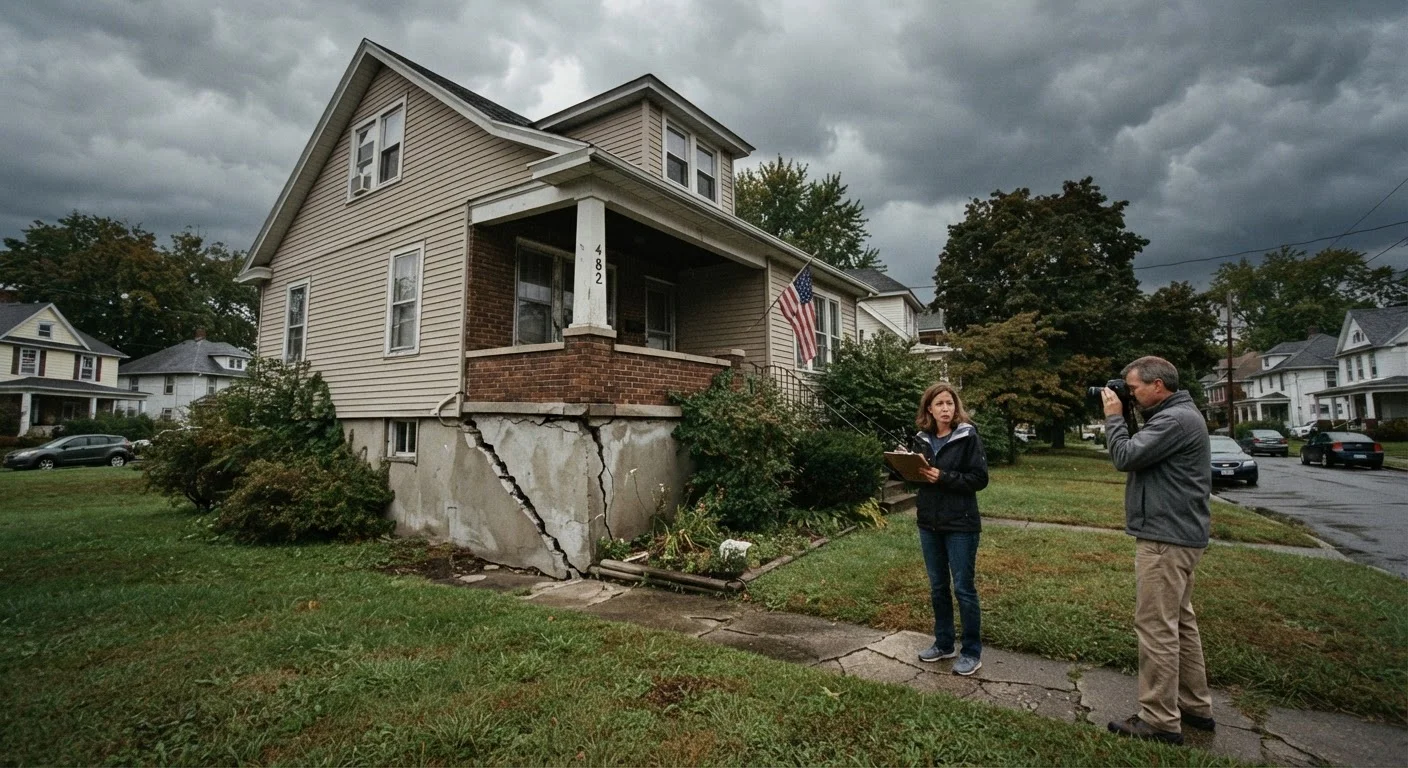
Photo credit: ArticlesHaven.net
In this article
Many homeowners assume their policy covers more than it does. This article corrects the most widespread misconceptions with clear, factual explanations.
Key Takeaways
- Standard homeowners policies do not cover flood damage - that requires a separate policy.
- Gradual wear and tear, mold from neglect, and sewer backups are commonly excluded.
- Actual cash value and replacement cost value are not the same thing - the difference matters at claim time.
- Earthquake damage is excluded from most standard policies and requires a separate endorsement or policy.
- High-value items like jewelry and art typically have sub-limits that may fall short of their actual worth.
Why These Myths Cost Homeowners Real Money
Homeowners insurance is one of those purchases people make, file away, and rarely revisit until something goes wrong. That gap between signing a policy and actually reading it is where costly assumptions take root. Many homeowners discover coverage gaps only at claim time - when it's too late to fill them.
The good news: understanding what a standard policy actually covers isn't complicated once the common myths are cleared away. The overview of what insurance actually covers explains how exclusions work across policy types - the same logic applies here.
Myth
My homeowners policy covers flood damage from storms or rising water.
Fact
Standard homeowners policies explicitly exclude flood damage. Flood coverage requires a separate policy, typically through the National Flood Insurance Program (NFIP) or a private flood insurer.
This is arguably the most expensive myth in home insurance. A standard HO-3 policy covers water damage from sudden, internal events - like a burst pipe - but not water that enters from outside, including storm surge, overflowing rivers, or heavy rain runoff. The common coverage assumptions that lead to real financial gaps reinforces why flood exclusions are so consequential. If your home is in or near a flood zone, a separate flood policy isn't optional - it's essential.
Myth
Homeowners insurance covers earthquake damage.
Fact
Earthquake damage is excluded from virtually all standard homeowners policies. A separate earthquake endorsement or standalone policy is required.
In earthquake-prone states like California, Oregon, and Washington, this gap can be severe. Even in lower-risk regions, a significant quake can cause structural damage that runs into hundreds of thousands of dollars - none of which a standard policy will pay. Earthquake coverage can often be added as an endorsement to an existing policy or purchased separately. Premiums vary based on your location, soil type, and home construction.
Myth
All my belongings are fully covered up to the policy limit.
Fact
Personal property coverage has sub-limits for specific categories - jewelry, fine art, firearms, and electronics often have caps well below their actual value.
A standard policy might cover personal property broadly, but high-value categories are subject to internal sub-limits. For example, jewelry coverage might be capped at $1,500 regardless of what your collection is worth. If you own items that exceed these thresholds, a scheduled personal property endorsement - sometimes called a floater - allows you to insure specific items at their appraised value. Without it, you'll receive only what the sub-limit allows, not what you paid or what replacement actually costs.
Myth
My policy will pay to replace damaged items with new equivalents.
Fact
Policies that pay Actual Cash Value (ACV) deduct depreciation, meaning older items are reimbursed for far less than their replacement cost.
There are two main reimbursement methods in homeowners policies: Actual Cash Value and Replacement Cost Value (RCV). ACV pays what the item is worth today, after depreciation - so a ten-year-old roof might be worth a fraction of what a new one costs. RCV pays what it costs to replace the item with a comparable new one. The premium difference between the two is usually modest, but the claim difference can be enormous. Always check which method your policy uses for both the structure and personal property. For more on how policy language shapes real-world outcomes, see common insurance myths about how policies work.
Myth
Mold damage is covered because it's caused by water, which is covered.
Fact
Mold resulting from gradual leaks, poor ventilation, or neglected maintenance is typically excluded. Only mold caused by a sudden, covered water event may be eligible - and even then, coverage is often limited.
Insurers distinguish between sudden, accidental damage and damage that develops over time. If a pipe bursts and mold develops within days, that may fall under your policy's water damage coverage. But if a slow leak behind a wall went unnoticed for months and caused mold, insurers generally treat this as a maintenance failure - not a covered loss. Routine home upkeep is the homeowner's responsibility, and policies are written accordingly.
Myth
Sewer and drain backups are covered under standard water damage provisions.
Fact
Sewer backup and water/drain overflow are standard exclusions. Coverage requires a specific endorsement.
A sewer backup can cause extensive, costly damage to finished basements and lower floors. Yet it's excluded from most standard policies because it's considered a separate risk category from internal plumbing failures. A sewer or water backup endorsement is relatively inexpensive to add and worth serious consideration, particularly for homes with finished basements or properties in areas with aging municipal infrastructure. Ask your insurer directly whether this coverage is included or available as an add-on.
Coverage Gaps That Catch Homeowners Off Guard
Even after debunking the big myths, some nuances trip up homeowners when comparing policies or filing claims. Coverage limits, sub-limits, and endorsements all shape your real protection - not just the headline coverage categories.
~40%
Homeowners without flood insurance in high-risk areas
FEMA estimates roughly 40% of properties in high-risk flood zones lack separate flood insurance coverage, leaving owners exposed to uninsured losses.
$1,500
Typical jewelry sub-limit under standard policies
Many standard homeowners policies cap jewelry reimbursement at $1,500, regardless of the actual appraised value of items owned.
2 in 3
Underinsured homeowners (Insurance Information Institute estimate)
The Insurance Information Institute has estimated that a significant majority of U.S. homes are underinsured relative to actual rebuilding costs.
When shopping for or renewing a policy, it's worth asking specifically about flood, earthquake, sewer backup, and scheduled personal property endorsements. These aren't automatically included and they aren't minor. For a side-by-side look at how protection differs depending on your living situation, the comparison of homeowners vs. renters insurance breaks down what each policy type actually delivers.
Review Your Policy Before You Need It
Most coverage gaps only become apparent when a claim is filed - which is the worst possible moment to find out. Read your policy's declarations page and exclusions section now, not after a loss. If anything is unclear, ask your insurer or agent for a plain-language explanation in writing. Don't rely on assumptions or what you recall from the sign-up process.
Renovation Work May Affect Your Coverage
Major home improvements - additions, finished basements, significant upgrades - can increase your home's rebuild value without automatically updating your coverage limit. If your home is underinsured at the time of a total loss, you bear the gap. Notify your insurer before or after significant projects, and revisit your dwelling coverage limit periodically. Understanding home renovation budget myths can also help you avoid project surprises that compound coverage issues.
If you're unsure whether your current coverage matches your actual exposure, a licensed insurance agent can review your policy declarations page and flag gaps. General information like this article can orient your thinking, but it is not a substitute for personalized professional review. Terms, exclusions, and premiums vary significantly by insurer, state, and property.
This article is for general informational and educational purposes only and does not constitute insurance, legal, or financial advice. Coverage details vary by policy and provider. Consult a licensed insurance professional and review your actual policy documents before making coverage decisions.

Author
Articles Haven Editorial Contributor
Articles Haven Editorial Team is the collective byline for our editorial team and contributor network. Articles published under this byline or an editorial pen name are researched, written, and reviewed according to our editorial standards for clarity, consistency, and independence before publication.
View all articles →