
Flood Insurance and Homeowners Insurance Are Not the Same Thing
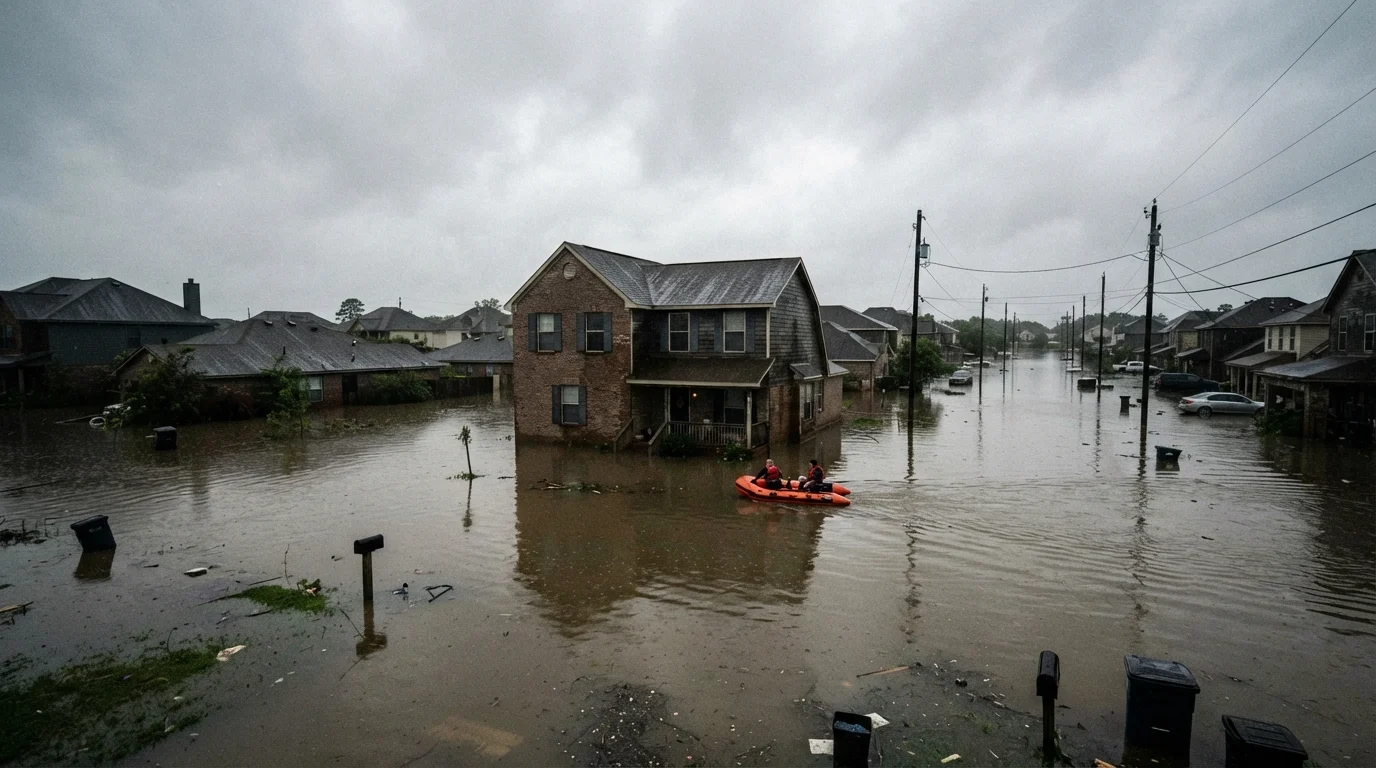
Photo credit: ArticlesHaven.net
Standard home policies typically exclude flood damage. Understand why flood insurance is a separate product and how it works.
Key Takeaways
- Standard homeowners insurance policies explicitly exclude damage caused by flooding.
- Flood insurance is a separate product, commonly available through the federal NFIP or private insurers.
- You don't have to live in a high-risk flood zone to experience flood damage or benefit from coverage.
- Flood insurance policies typically have a waiting period before coverage takes effect.
- Both your home's structure and its contents may need separate coverage under a flood policy.
Why the Confusion Exists
Most people buy homeowners insurance and reasonably assume it covers their home - all of it, from all the major risks. Water damage from a burst pipe? Generally covered. A storm that blows off shingles and lets in rain? Usually covered. But water rising from outside the home - from a storm surge, an overflowing river, or heavy rainfall flooding the street - is a different story entirely.
Standard homeowners policies are built around a specific set of named perils or broad all-risk language, and flooding from external sources is almost universally excluded. This isn't fine print designed to trick policyholders; it's a deliberate product boundary with real underwriting logic behind it. But many homeowners only discover it after a loss, which is where the financial pain begins.
For a broader look at what else might surprise you at claim time, see common misconceptions about what homeowners insurance covers.
Myth
My homeowners insurance covers flood damage because it covers water damage.
Fact
Homeowners policies cover certain internal water damage (like a burst pipe) but universally exclude flooding from external sources such as storm surge or overflowing waterways.
The term "water damage" covers a wide range of events, and insurers draw a firm line between water damage originating inside the home and floodwater entering from outside. A washing machine leak that damages your floors is typically a covered peril. Rainwater that overwhelms a storm drain and pours through your front door is not. This distinction is spelled out in the exclusions section of virtually every standard homeowners policy.
Myth
You only need flood insurance if you live in a high-risk flood zone.
Fact
Flood damage occurs in moderate- and low-risk areas regularly; flood zone designation affects cost and lender requirements but does not eliminate personal risk.
FEMA flood maps reflect historical data and modeled risk, but they are not guarantees. Drainage infrastructure changes, development patterns, and extreme weather events can cause flooding in areas not formally classified as high-risk. Homeowners in lower-risk zones pay lower NFIP premiums precisely because the statistical risk is lower - but lower is not zero.
Myth
If disaster strikes, federal disaster assistance will cover my flood losses.
Fact
Federal disaster assistance is limited, typically a loan rather than a grant, and only available when the President formally declares a disaster in your area.
FEMA disaster assistance is not a substitute for insurance. In most cases, individual assistance comes in the form of low-interest Small Business Administration (SBA) disaster loans - money that must be repaid. Grant amounts, where available, are generally modest relative to the full cost of flood damage to a home. A flood insurance policy pays based on covered losses; federal assistance pays only under specific declared-disaster conditions and at far lower amounts.
Myth
Flood insurance covers everything a flood damages, including cars and landscaping.
Fact
Flood insurance policies have defined covered property categories; vehicles, landscaping, currency, and certain valuables are typically excluded.
NFIP policies cover the building structure and, under a separate contents policy, personal property such as furniture and appliances - but the covered categories are specific. Vehicles flooded in a garage or driveway generally require comprehensive auto insurance coverage, not flood insurance, to be covered. Landscaping, decks, patios, fences, and swimming pools are also commonly excluded. Reading the schedule of covered property before purchasing helps avoid surprises.
Myth
Flood insurance takes effect immediately after purchase.
Fact
Most flood insurance policies - especially through the NFIP - include a 30-day waiting period before coverage begins.
The waiting period exists to prevent people from purchasing coverage only when a specific storm is imminent and then canceling afterward. There are limited exceptions - for example, when flood insurance is purchased as a condition of a home loan closing - but in most standard purchase scenarios, you will need to plan well in advance of any storm season or known risk period.
How Flood Insurance Actually Works
Flood insurance in the U.S. is most commonly provided through the National Flood Insurance Program (NFIP), administered by the Federal Emergency Management Agency (FEMA). Private flood insurance options also exist and have grown in availability. Either way, flood coverage is purchased as a standalone policy - it does not attach to your existing homeowners policy.
~20-25%
NFIP flood claims from low-to-moderate risk zones
FEMA estimates that roughly 20-25% of National Flood Insurance Program claims come from properties outside high-risk flood zones.
30 days
Standard NFIP policy waiting period
Most NFIP flood insurance policies do not take effect until 30 days after purchase, with limited exceptions for loan-related purchases.
NFIP policies are generally split into two components: building coverage (the physical structure) and contents coverage (your belongings). These are sold separately, so a homeowner who buys only building coverage could still face significant out-of-pocket losses on furniture, electronics, and clothing. Understanding that split matters - it mirrors the same structure described in dwelling coverage vs. personal property coverage within standard policies.
Flood Insurance Is a Separate Purchase
No matter how comprehensive your homeowners policy appears, it does not include flood coverage unless you have purchased a separate flood insurance policy. This applies to nearly all standard homeowners policies in the U.S. If you are unsure whether you have flood coverage, check your declarations page or ask your insurance agent directly - do not assume.
One feature of flood insurance that surprises many buyers: most policies include a 30-day waiting period before coverage becomes active. Purchasing a policy the day before a forecasted storm will not help you. Planning ahead is essential. For a deeper dive into why floods and earthquakes are excluded from standard policies in the first place, flood and earthquake coverage exclusions explained offers useful context.
Don't Wait Until Storm Season to Buy
Because of the 30-day waiting period on most flood policies, purchasing coverage right before anticipated flooding will not help. If you are considering flood insurance, the time to act is well before severe weather season in your region. Contact a licensed insurance professional or visit FloodSmart.gov for information on NFIP options.
Who Needs Flood Insurance
Federally backed mortgage lenders require flood insurance for properties in FEMA-designated Special Flood Hazard Areas (SFHAs). But significant flood losses occur outside those high-risk zones - FEMA estimates that roughly 20-25% of NFIP flood claims come from properties in moderate- to low-risk areas. Relying solely on your flood zone designation to decide whether coverage is necessary can leave real exposure unaddressed.
Renters are not exempt from this consideration either. A renter's possessions are not covered by the landlord's policy; a separate renters flood policy may be worth exploring. This parallels the broader ownership-vs-renting coverage split covered in homeowners insurance vs. renters insurance.
If you want a consolidated view of coverage gaps across policy types, things people assume insurance covers that it typically doesn't is worth reading. And for ongoing guidance on evaluating your overall coverage picture, the Coverage and Costs hub is a useful starting point.
This article is for general informational purposes only and does not constitute insurance, financial, or legal advice. Coverage terms, availability, and requirements vary by provider, location, and individual circumstances. Always review actual policy documents and consult a licensed insurance professional before making coverage decisions.

Author
Articles Haven Editorial Contributor
Articles Haven Editorial Team is the collective byline for our editorial team and contributor network. Articles published under this byline or an editorial pen name are researched, written, and reviewed according to our editorial standards for clarity, consistency, and independence before publication.
View all articles →