
The Real Costs Behind a Roof Replacement
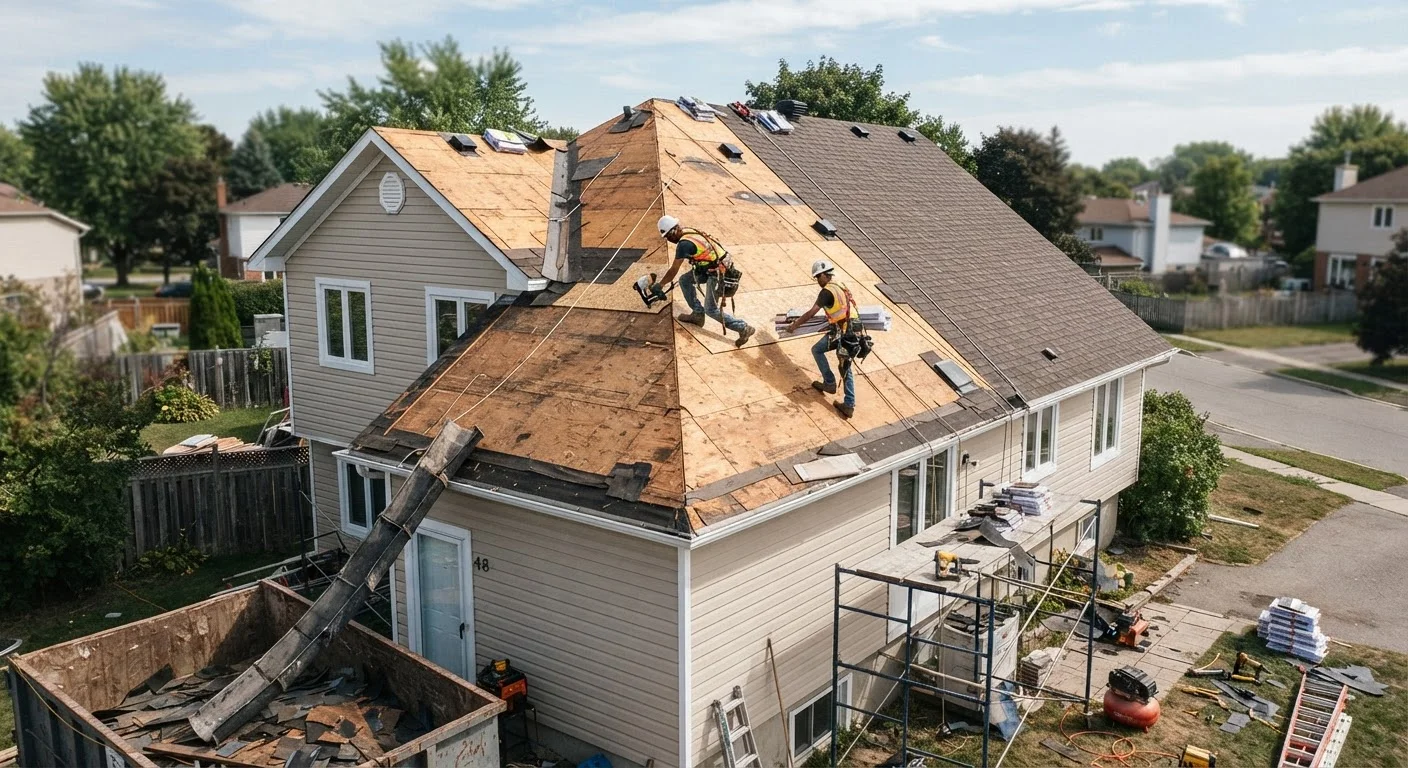
Photo credit: ArticlesHaven.net
In this article
Understand what drives roofing costs—materials, pitch, decking condition, disposal fees—before talking to a contractor.
Key Takeaways
- Material choice is the single largest variable in total roofing cost.
- Roof pitch and complexity directly affect labor time and safety requirements.
- Hidden costs-like damaged decking or improper ventilation-often emerge mid-project.
- Disposal fees, permits, and drip edge flashing are frequently overlooked line items.
- Home insurance may cover replacement only under specific conditions; always verify your policy type.
Why Roofing Quotes Vary So Widely
Two neighbors with similarly sized homes can receive quotes that differ by thousands of dollars. That gap isn't random-it reflects legitimate differences in scope, materials, and what each contractor actually includes. Understanding the cost drivers helps you evaluate estimates rather than just accept them.
The starting point is roof size, measured in squares. A 2,000-square-foot home doesn't necessarily have 2,000 square feet of roof-pitch and overhangs typically push that number higher. Steeper roofs require more material per square foot of living space, slow down installation, and demand additional fall-protection equipment, all of which adds to labor costs.
1 square
Standard roofing unit = 100 sq ft of surface
Roofing contractors price materials and labor per square; a typical home may require 20-30 squares depending on size and pitch.
10-15%
Recommended contingency buffer for hidden repairs
Industry guidance commonly suggests setting aside this amount above the base quote to cover decking replacement and other unforeseen issues.
3-5x
Premium cost range for metal vs. asphalt shingles
Metal roofing materials alone can cost several times more per square than standard asphalt shingles, though lifespan differences factor into long-term value comparisons.
Material selection is the second major lever. Standard three-tab asphalt shingles sit at the affordable end; architectural shingles cost more but offer better durability and aesthetics. Metal roofing, concrete tile, and natural slate each occupy progressively higher price tiers and require specialized installation skills. See our guide on reading contractor estimates line by line to understand how these categories show up on paper.
The Hidden Costs Most Homeowners Miss
The line items that surprise homeowners most often aren't the shingles-they're everything else. Once old roofing is removed, contractors can see the decking beneath. Rotted or damaged decking boards must be replaced before new materials go down, and this cost is almost impossible to quote accurately upfront. A contingency budget of 10-15% is a reasonable planning cushion for this reason alone.
Budget for What You Can't See Yet
Request a separate line item for decking inspection and potential replacement when reviewing quotes. Ask contractors how they handle mid-project discoveries-whether they issue a change order or include a set allowance. Knowing this process upfront prevents billing surprises and keeps the project on track.
Other commonly overlooked costs include:
- Tear-off and disposal: Removing old shingles generates significant debris. Many quotes separate this as a line item; others bundle it. Confirm which applies.
- Drip edge and flashing: Metal edge flashing and chimney or skylight flashing should be replaced during a reroof. Skipping it can lead to water intrusion at the margins.
- Ventilation upgrades: If your attic ventilation is inadequate, new roofing installed over it will degrade faster. Contractors may recommend ridge vents or soffit work as part of the project.
- Permits: Required in most U.S. jurisdictions. Permit fees vary by location but typically range from modest to several hundred dollars depending on project scope.
These extras are not contractor padding-they reflect real project requirements. The myths that derail renovation budgets article covers why contingency planning is so often skipped and why that's a costly mistake.
DIY vs. Professional Installation: Knowing the Boundary
Roof replacement sits near the top of the list of home improvement projects where professional installation is the practical default for most homeowners. This isn't just about skill-it's about safety, warranty validity, and code compliance.
Warranty Terms Vary by Installation Method
Roofing manufacturers typically offer enhanced warranties only when their products are installed by certified or licensed contractors following their specified installation procedures. DIY installation, or installation by an uncertified contractor, may void the material warranty entirely. Always ask for documentation of the warranty terms before work begins.
Most roofing manufacturer warranties require installation by a licensed contractor and will not apply to DIY work. Insurance claims involving DIY-installed roofing can also be complicated by coverage questions. If cost is the primary concern, getting multiple competitive quotes from licensed roofers is often more effective than attempting a DIY project on a full replacement.
Minor repairs-replacing a few damaged shingles on a low-pitch roof-are more realistic for an experienced DIYer who is comfortable working at height and has appropriate safety equipment. For anything beyond spot repairs, the risk-to-reward ratio shifts substantially. Compare this approach to decisions you might face with other large-ticket projects: knowing when to repair vs. replace is a useful framework across home improvement generally.
Insurance and Roofing: What to Clarify Before Filing
If storm damage or another covered event triggered your need for a new roof, your homeowners policy may offset a significant portion of the cost. But two policy details determine how much you actually receive: your deductible and whether your policy pays on an actual cash value (ACV) or replacement cost basis.
ACV policies factor in depreciation-meaning a 15-year-old roof may only be valued at a fraction of its replacement cost. Replacement cost policies pay what it actually costs to install a new equivalent roof. The difference can be substantial. For a detailed breakdown, see our article on ACV versus replacement cost coverage.
Always get the adjuster's scope of work in writing and compare it against your contractor's assessment before approving any settlement. Discrepancies between the two documents are common and worth resolving before work begins.
This article provides general home improvement and cost information only. Always consult a licensed roofing contractor and verify local permit requirements in your area before starting any roofing project.
Frequently Asked Questions

Author
Articles Haven Editorial Contributor
Articles Haven Editorial Team is the collective byline for our editorial team and contributor network. Articles published under this byline or an editorial pen name are researched, written, and reviewed according to our editorial standards for clarity, consistency, and independence before publication.
View all articles →